English

Mobile:+86-311-8081-2683
Email:info@ydcastings.com
English
Techniques for Sand Casting Brass A Step-by-Step Guide for Beginners
How to Cast Brass in Sand A Step-by-Step Guide
Casting brass in sand is a traditional and widely used method in metalworking that allows for the creation of intricate and durable brass components. This technique combines art and science, enabling artists and craftsmen to make customized items ranging from decorative objects to mechanical parts. In this article, we will walk you through the steps involved in the sand casting process for brass, including materials, preparation, and execution.
Materials Needed
Before starting, gather the necessary materials
1. Sand A fine, silica-based sand is preferred for casting. This type of sand can withstand high temperatures and allows for good detail reproduction. 2. Brass Alloy Brass typically consists of copper and zinc, but other alloys can include tin or lead for different properties. Choose the alloy based on the properties required for your final product. 3. Pattern Create a pattern of the item you wish to cast. Patterns are usually made from wood, metal, or plastic and should be slightly larger than the final product to account for shrinkage. 4. Mold Box A sturdy box to hold the sand and accommodate the pattern. 5. Molten Metal Furnace A furnace capable of melting brass, such as a propane or induction furnace. 6. Tools A riddle or sieve for sand, a rammer for packing sand, and other hand tools (trowels, chisels) for mold making.
Step 1 Preparing the Pattern
Start by crafting or selecting a pattern. The pattern must include all the details of the final product, including any undercuts and features. Ensure the pattern is smooth to facilitate mold release. Apply a release agent to the pattern to help with removal from the sand once it has set.
Step 2 Making the Mold
1. Create a Mold Box Place the pattern in a mold box, leaving enough space around it for the sand. 2. Prepare the Sand Mix the sand with a bonding agent if necessary, which helps the sand hold its shape. Common bonding agents include clay or a mixture of sand and oil. 3. Pack the Sand Pour sand into the mold box and pack it firmly around the pattern using a rammer. Ensure the sand is tightly packed to prevent any deformation during casting. 4. Cutting the Parting Line Once the sand is packed, carefully remove the pattern, leaving an impression. If your pattern is complex, use a two-part molding technique to create separate halves of the mold. 5. Insert Sprues Create channels in the mold to allow molten brass to flow into the cavity. These are known as sprues and should be strategically placed for efficient filling.
Step 3 Melting the Brass
Using a furnace, melt the brass alloy until it reaches its boiling point (approximately 900-1000°C, depending on the exact composition). Monitor the temperature closely to avoid overheating, which can result in oxidation or loss of metal properties.
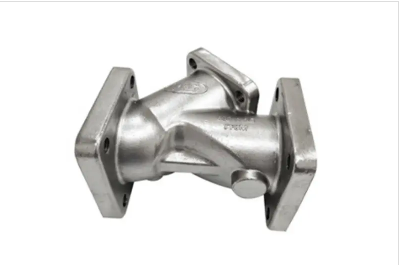
how to cast brass in sand
Step 4 Pouring the Brass
Once the brass is molten, carefully pour it into the sprue cavity of your prepared sand mold. Handle the molten brass with extreme caution, using appropriate protective gear such as gloves, goggles, and an apron.
Step 5 Allowing the Brass to Cool
Let the brass cool and solidify within the mold. Cooling times will vary based on the size and complexity of the cast, but it typically takes a few hours. Once cooled, the metal will shrink slightly, making it easier to remove from the mold.
Step 6 Breaking the Mold
After the cast is fully cooled, gently break away the sand mold to reveal the cast brass item. Clean any remaining sand from the surface using brushes or compressed air.
Step 7 Finishing Touches
The rough surfaces of the cast will likely need finishing. Use tools such as grinders, sanders, or files to achieve the desired finish. You may also consider polishing the brass or applying a patina for aesthetic purposes.
Conclusion
Casting brass in sand is a rewarding process that combines craftsmanship and creativity. By following these steps, you can create unique brass pieces tailored to your specifications. Whether you are a hobbyist or a professional, mastering the art of sand casting will enhance your metalworking skills, enabling you to produce beautiful and functional objects.
-
Choosing an Engine Storage Crate Cover for Material and EnvironmentNewsNov.23,2026
-
Cylinder Head Chamber Buyers: Check the Casting Specification FirstNewsNov.17,2026
-
How Impeller Casting Manufacturers Match Material, Process and EquipmentNewsNov.15,2026
-
Valve body vs. intake air chamber: Which casting fits your assembly?NewsNov.02,2026
-
Air Intake Chamber FAQ: Specifications, Ordering and Support QuestionsNewsOct.28,2026
-
Motorcycle Accessories FAQ: Specifications, Ordering and Support QuestionsNewsOct.24,2026










