English

Mobile:+86-311-8081-2683
Email:info@ydcastings.com
English
how does sand casting work
Understanding How Sand Casting Works
Sand casting is one of the oldest and most versatile manufacturing processes used for metal parts production. This method involves using sand as the primary mold material; it enables the creation of complex shapes and sizes with relative ease and cost-effectiveness. In this article, we will walk through the sand casting process, its components, and its applications.
The Sand Casting Process
The sand casting process begins with creating a mold, which is typically made from a mixture of sand, clay, and water. The first step involves preparing the pattern, which is a replica of the final product. The pattern is often made from metal, plastic, or wood, and it must be slightly larger than the intended final casting to account for shrinkage that occurs when the metal cools.
Once the pattern is ready, it is placed in a box, known as a flask. The flask holds the sand mixture, which is packed around the pattern. The most commonly used sand is silica sand, although other types may be used depending on the specific requirements of the casting. The sand mixture is typically combined with a binding agent like clay to help it hold its shape.
After packing the sand around the pattern, the next step is to remove the pattern, leaving a cavity that mirrors the shape of the desired part. Two halves of the mold are usually created, allowing for the retrieval of the final casting once the metal has cooled and solidified.
Pouring the Metal
With the mold ready, the next stage involves melting the metal that will fill the mold. Common metals used in sand casting include aluminum, iron, copper, and bronze. The metal is heated in a furnace until it reaches a liquid state. Once melted, the molten metal is carefully poured into the mold cavity through an opening known as a sprue. It’s crucial that the pouring process is controlled to avoid introducing defects such as air pockets.
how does sand casting work
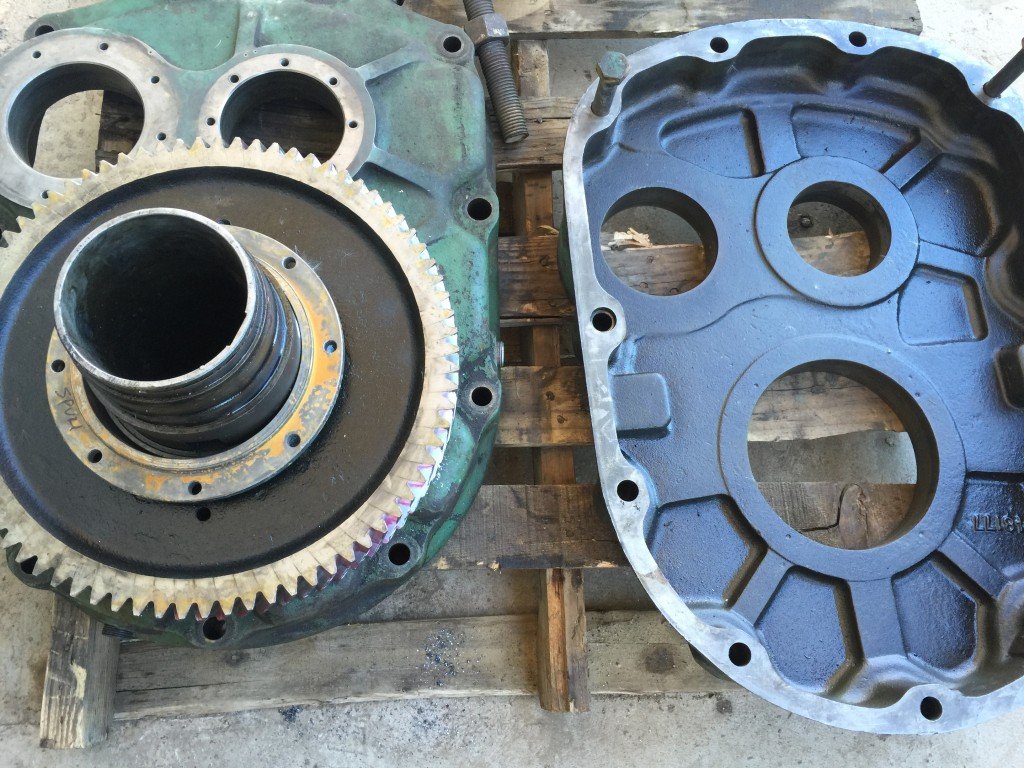
After the mold is filled, it is allowed to cool. The cooling time depends on the type and thickness of the metal, as well as the dimensions of the casting. As the metal cools, it solidifies and takes on the shape of the mold.
Finishing Touches
Once the metal has completely cooled, the next step is to remove the casting from the mold. This is typically done by breaking the sand mold apart. The resulting casting may have rough surfaces and excess material known as flash, which must be removed through a process called finishing. Finishing operations can include machining, grinding, and cleaning to achieve the desired final dimensions and surface quality.
Applications of Sand Casting
Sand casting is widely used across various industries due to its flexibility and cost-effectiveness. It is particularly popular in the automotive industry for producing engine blocks, cylinder heads, and other components. The aerospace sector also utilizes sand casting for turbine housings and brackets due to its ability to create complex geometries. Additionally, this process is also prevalent in producing heavy equipment and machinery parts, as well as various consumer goods.
Conclusion
Sand casting remains a crucial method in the manufacturing landscape, owing to its ability to produce intricate shapes and a range of materials. Despite advances in technology, sand casting continues to be relevant and widely used due to its effectiveness and the quality of parts it can produce. Understanding the various stages of the sand casting process can help individuals and businesses make informed decisions about production methods for their metal components. Whether you're an engineer, a designer, or simply someone with a keen interest in manufacturing, sand casting represents a fascinating blend of art and science in the world of metalwork.
-
Choosing an Engine Storage Crate Cover for Material and EnvironmentNewsNov.23,2026
-
Cylinder Head Chamber Buyers: Check the Casting Specification FirstNewsNov.17,2026
-
How Impeller Casting Manufacturers Match Material, Process and EquipmentNewsNov.15,2026
-
Valve body vs. intake air chamber: Which casting fits your assembly?NewsNov.02,2026
-
Air Intake Chamber FAQ: Specifications, Ordering and Support QuestionsNewsOct.28,2026
-
Motorcycle Accessories FAQ: Specifications, Ordering and Support QuestionsNewsOct.24,2026










