English

Mobile:+86-311-8081-2683
Email:info@ydcastings.com
English
housing turbine
Harnessing Wind The Role of Housing Turbines in Sustainable Energy
In recent years, the quest for sustainable energy has intensified across the globe, with increasing emphasis on harnessing renewable sources. Among these sources, wind energy stands out as one of the most promising, and one innovative approach to maximizing its potential is through the integration of housing turbines. These small-scale wind turbines, often designed for residential rooftops, represent a practical solution to reduce energy costs and carbon footprints while promoting energy independence.
Housing turbines, typically ranging from 400 watts to a few kilowatts in capacity, are specifically designed to be installed on homes, effectively converting wind energy into electricity. Unlike their larger counterparts found in wind farms, these turbines can fit seamlessly into residential settings, making them an appealing option for homeowners looking to contribute to sustainability. The technology has evolved, leading to quieter, more efficient models that can even operate in low wind conditions, thus making them suitable for diverse geographical locations.
One of the most significant benefits of housing turbines is their potential for energy independence. By generating their electricity, homeowners can reduce their reliance on the grid, alleviating concerns related to rising energy prices and power shortages. This self-sufficiency becomes particularly valuable during times of energy crises or natural disasters when the grid might be compromised. Furthermore, any surplus energy produced can often be fed back into the grid, allowing homeowners to earn credits or offset their bills through net metering policies.
housing turbine
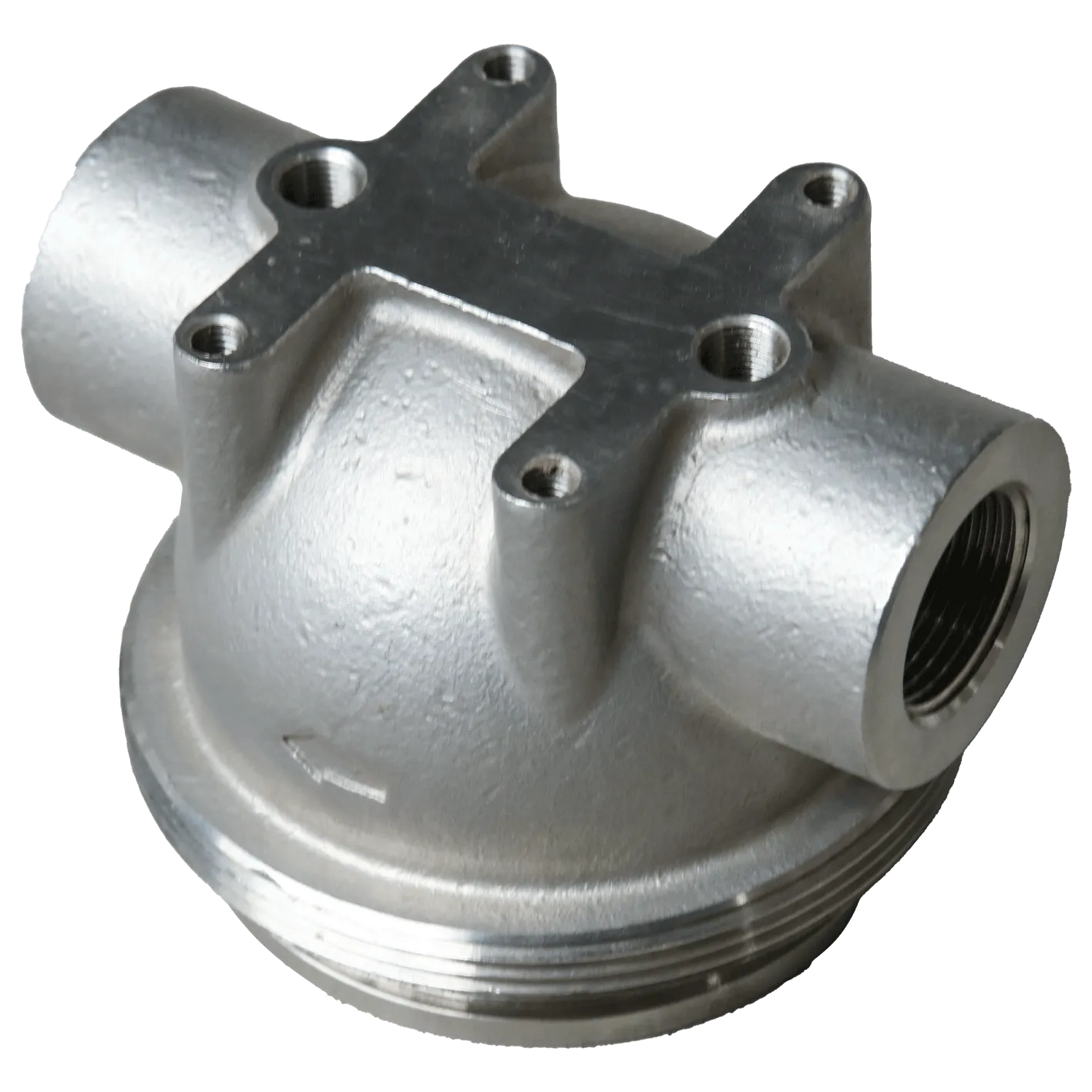
Integrating housing turbines into urban areas can also have a positive impact on the overall energy landscape
. By dispersing small wind energy systems throughout neighborhoods, communities can collectively increase their renewable energy capacity. This localized approach reduces transmission losses — a significant issue within conventional energy systems — and enhances the resilience of communities against potential energy disruptions. Moreover, it fosters a culture of sustainability, encouraging more residents to consider renewable energy solutions and, consequently, increasing demand for such technologies.In addition to environmental and economic benefits, housing turbines also hold potential for education and awareness. When homeowners invest in residential wind systems, they often become more informed about energy consumption, sustainability practices, and the broader impacts of fossil fuels on the environment. This newfound awareness can spark dialogues within communities, inspiring further action toward sustainable practices, such as energy efficiency upgrades and the adoption of other renewable technologies like solar panels.
However, the implementation of housing turbines is not without its challenges. Regulatory hurdles, such as zoning laws or building codes that restrict or complicate installation, can pose obstacles. Additionally, initial installation costs, although decreasing, can still be a barrier for some homeowners. To address these challenges, governments and local authorities can create supportive policies, provide financial incentives, and foster community programs aimed at promoting the adoption of residential wind energy systems.
In conclusion, housing turbines represent a transformative approach to personal and community energy solutions in an increasingly energy-conscious world. By empowering homeowners to take charge of their energy production, these small-scale wind turbines contribute significantly to a sustainable future. As technological advancements continue, and as communities increasingly recognize the value of renewable energy, housing turbines could play a pivotal role in shaping a cleaner, more sustainable energy landscape. Investing in this technology not only benefits individuals but also paves the way for a collective transition towards a greener future, ultimately benefiting the planet.
-
Choosing an Engine Storage Crate Cover for Material and EnvironmentNewsNov.23,2026
-
Cylinder Head Chamber Buyers: Check the Casting Specification FirstNewsNov.17,2026
-
How Impeller Casting Manufacturers Match Material, Process and EquipmentNewsNov.15,2026
-
Valve body vs. intake air chamber: Which casting fits your assembly?NewsNov.02,2026
-
Air Intake Chamber FAQ: Specifications, Ordering and Support QuestionsNewsOct.28,2026
-
Motorcycle Accessories FAQ: Specifications, Ordering and Support QuestionsNewsOct.24,2026










