English

Mobile:+86-311-8081-2683
Email:info@ydcastings.com
English
Innovative Hose Caps for Enhanced Fluid Control and Durability Solutions
The Essential Guide to Hose Caps Utility, Types, and Applications
When we think of hoses, we often picture the flexible tubes used for various applications, from gardening to industrial settings. However, a crucial component associated with hoses that often gets overlooked is the hose cap. Hose caps, while seemingly simple devices, serve vital functions in the management and maintenance of hoses and the systems to which they connect. This article delves into the importance of hose caps, the various types available, and their applications.
Understanding Hose Caps
Hose caps are fittings used to seal the end of a hose, preventing fluid leakage and protecting the interior from contaminants. They serve multiple purposes, including maintaining pressure within the system, avoiding spillage of hazardous liquids, and ensuring the longevity of the hoses by preventing debris accumulation. In essence, hose caps act as a safeguard for both the hose and the fluid it carries.
Importance of Hose Caps
The significance of hose caps cannot be overstated. In various fields such as agriculture, automobile maintenance, and industrial work, hose caps contribute to efficient operations
1. Leak Prevention Hose caps keep fluids contained within the hose, preventing expensive and potentially hazardous leaks. This is particularly important in environments dealing with chemicals or high-pressure systems.
2. Contaminant Protection By sealing the ends of hoses, caps prevent dust, dirt, and other contaminants from entering, which could cause blockages or degradation of the hose material.
3. Pressure Maintenance In many applications, maintaining the correct pressure is essential for effective operation. Hose caps help in keeping the pressure stable by sealing off the ends when the hose is not in use.
4. Safety Particularly in industrial settings, unsealed hoses can pose safety hazards. Caps reduce the risk of accidents by ensuring that no fluid escapes unintentionally.
Types of Hose Caps
Hose caps come in a variety of types, designed for specific applications and material compatibility. Here are some common types
1. Plastic Caps Lightweight and easy to apply, plastic caps are widely used for hoses carrying water or non-hazardous fluids. They are cost-effective and suitable for short-term use.
hose caps
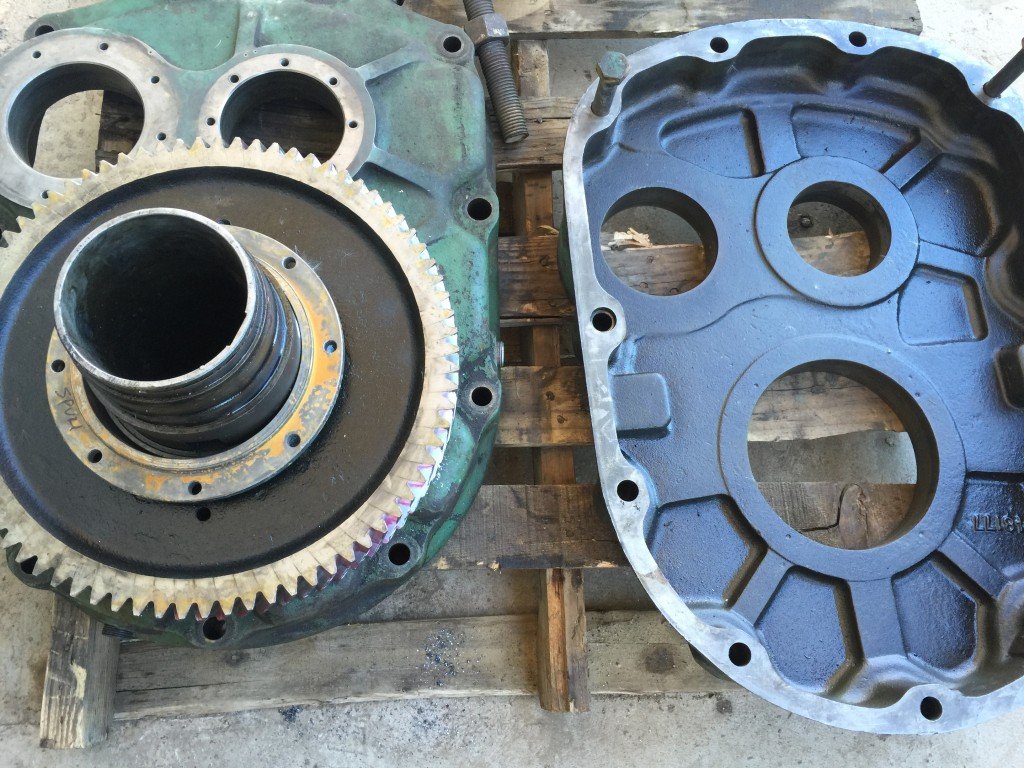
2. Metal Caps Made from materials like aluminum or stainless steel, metal caps are often used in high-pressure applications and where durability is necessary. They are ideal for hoses used in oil, gas, or other industrial settings.
3. Threaded Caps These caps screw onto the end of the hose, providing a tight seal. They are often found in hydraulic applications, where maintaining high pressure is crucial.
4. Push-on Caps Designed for convenience, push-on caps can be easily attached and removed. They are commonly used in garden hoses and other low-pressure applications.
5. Safety Caps With additional features to prevent accidental removal or spillage, safety caps are used in hazardous situations, ensuring that the contents remain secure.
Applications of Hose Caps
Given their versatility, hose caps find applications across a range of industries
- Agriculture Farmers use hose caps to secure irrigation systems and prevent water loss. The caps help maintain pressure in the lines, ensuring efficient water distribution.
- Automotive In automotive maintenance, hose caps are crucial for sealing coolant, oil, and fuel lines. They help prevent leaks, maintaining the efficiency and safety of vehicles.
- Industrial Manufacturing and chemical plants rely on hose caps to manage the flow of fluids in hydraulic systems, ensuring safety and preventing spills.
- Home Use Garden hoses often employ caps to protect them from the elements when not in use, and they help in conserving water.
Conclusion
In conclusion, while hose caps may be small and often underestimated, they play a pivotal role in various applications across multiple industries. Understanding their importance can help in choosing the right type for specific needs, ultimately enhancing safety, efficiency, and the longevity of hose systems. Whether you’re a gardener, an automotive technician, or involved in industrial operations, recognizing the value of hose caps will lead to better management of your hose systems and contribute to more effective operational practices.
-
Choosing an Engine Storage Crate Cover for Material and EnvironmentNewsNov.23,2026
-
Cylinder Head Chamber Buyers: Check the Casting Specification FirstNewsNov.17,2026
-
How Impeller Casting Manufacturers Match Material, Process and EquipmentNewsNov.15,2026
-
Valve body vs. intake air chamber: Which casting fits your assembly?NewsNov.02,2026
-
Air Intake Chamber FAQ: Specifications, Ordering and Support QuestionsNewsOct.28,2026
-
Motorcycle Accessories FAQ: Specifications, Ordering and Support QuestionsNewsOct.24,2026










