English

Mobile:+86-311-8081-2683
Email:info@ydcastings.com
English
Horizontal Split Casing Design for Efficient Fluid Management and Control in Engineering Applications
Horizontal Split Casing An Overview
The horizontal split casing design has garnered attention in various engineering fields, particularly in pump and compressor manufacturing. This unique configuration offers several advantages that make it a preferred choice for many applications while improving usability, efficiency, and maintenance.
What is Horizontal Split Casing?
A horizontal split casing refers to a design where the casing of a pump or machinery is divided into two halves along a horizontal plane. This design allows for easy access to the internal components without the need to disassemble the entire unit. Typically, the horizontal split casing consists of an upper and lower half, enabling operators to access critical parts such as impellers, rotors, or bearings quickly and efficiently.
Advantages of Horizontal Split Casing
1. Ease of Maintenance One of the primary benefits of a horizontal split casing is its maintenance friendliness. Traditional vertical casings often require extensive dismantling, leading to downtime and increased labor costs. In contrast, the split casing allows for streamlined access to internal components, simplifying repair and maintenance tasks. This accessibility reduces the time needed for routine checks and repairs, thus enhancing operational efficiency.
2. Cost Efficiency While the initial investment of a horizontal split casing unit might be higher than that of a standard design, its long-term cost-effectiveness cannot be overlooked. The reduced time for maintenance translates to lower operational costs over the lifespan of the equipment. Additionally, the ease of replacing components means that organizations can keep their machinery running longer with fewer interruptions.
3. Design Flexibility Horizontal split casings can accommodate a variety of design specifications, allowing manufacturers to customize their equipment to meet specific operational needs. This flexibility is particularly valuable in industries such as water treatment, chemical processing, and mining, where different applications may require unique configurations.
horizontal split casing
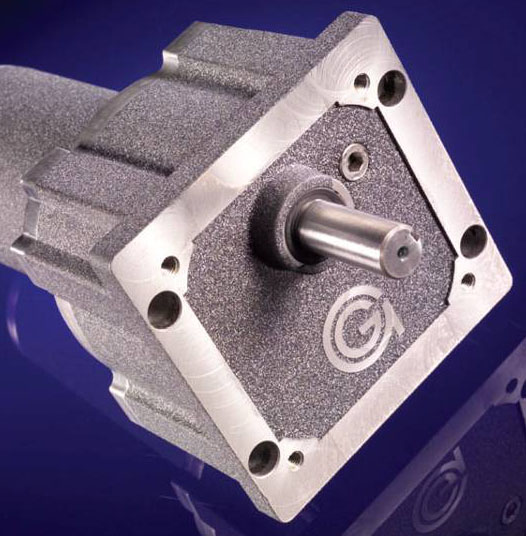
4. Enhanced Sealing The horizontal split design can provide better sealing capabilities than other configurations. This is crucial in preventing leaks, which not only causes material loss but can also pose environmental and safety risks. Improved sealing contributes to the overall reliability and efficiency of the machinery.
5. Thermal and Mechanical Stability The robust design of horizontal split casing units contributes to better thermal and mechanical stability. These units are typically engineered to withstand varying pressure and temperature conditions, making them suitable for high-performance applications. This stability is essential for industries requiring consistent flow rates and pressures, ensuring optimal equipment performance.
Applications of Horizontal Split Casing
Horizontal split casing designs are commonly utilized in various sectors. In the water industry, they are frequently used in centrifugal pumps for transferring water or wastewater. In chemical manufacturing, these casings house pumps that handle corrosive liquids, ensuring safe and efficient operation. Additionally, the oil and gas industry employs horizontal split casings in compressors and pump systems, where reliability and performance are paramount.
Conclusion
The horizontal split casing has solidified its position as a valuable design in the realm of mechanical engineering. With advantages that include ease of maintenance, cost efficiency, design flexibility, enhanced sealing, and robust stability, it is not surprising that many industries are turning to this configuration for their pumping and compression needs. As technology continues to advance and industries evolve, the horizontal split casing will undoubtedly adapt, providing innovative solutions that contribute to operational efficiency and sustainability. Whether in water treatment plants, chemical processing facilities, or oil and gas operations, the horizontal split casing represents a critical component in the pursuit of reliability and performance.
In summary, the horizontal split casing is not merely a design choice; it is a strategic decision that emphasizes efficiency, safety, and cost-effectiveness in engineering applications.
-
Choosing an Engine Storage Crate Cover for Material and EnvironmentNewsNov.23,2026
-
Cylinder Head Chamber Buyers: Check the Casting Specification FirstNewsNov.17,2026
-
How Impeller Casting Manufacturers Match Material, Process and EquipmentNewsNov.15,2026
-
Valve body vs. intake air chamber: Which casting fits your assembly?NewsNov.02,2026
-
Air Intake Chamber FAQ: Specifications, Ordering and Support QuestionsNewsOct.28,2026
-
Motorcycle Accessories FAQ: Specifications, Ordering and Support QuestionsNewsOct.24,2026










