English

Mobile:+86-311-8081-2683
Email:info@ydcastings.com
English
hole closing cap
Understanding Hole Closing Caps A Safer Solution for Various Applications
In various industries, the significance of hole closing caps cannot be understated. These caps serve as crucial components in not only ensuring safety and functionality but also maintaining the integrity of various systems. When a hole is left open, it can pose numerous risks, including contamination, injury, and equipment damage. This article delves into the importance, applications, and benefits of using hole closing caps.
Importance of Hole Closing Caps
Hole closing caps are designed to fit over open holes in machinery, piping, or structural elements. Their primary role is to seal these openings, providing a barrier that protects against external environmental factors. For instance, in industrial settings, an exposed hole can allow dust, debris, or moisture to enter, potentially disrupting operations or degrading equipment. By applying a closing cap, businesses can ensure that their machinery runs smoothly and remains free from contaminants.
Furthermore, safety is a major concern in any industrial environment. Open holes can be hazardous, posing risks of injury to workers. Caps help prevent accidents by covering these openings, reducing the likelihood of trips, falls, or unintended contact with moving parts. In this way, hole closing caps play a vital role in promoting workplace safety and compliance with health regulations.
Applications Across Industries
hole closing cap
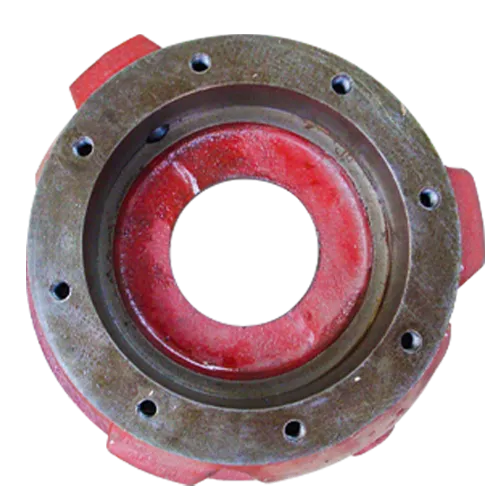
Hole closing caps are utilized in various sectors, including manufacturing, plumbing, automotive, and construction. In manufacturing, they can be used on assembly line machinery to cover unused ports or holes that may be present during the production process. In plumbing, caps play an essential role in sealing pipe ends to prevent leaks and maintain pressure within the system. In automotive applications, they can be found on fuel tanks, engine components, and as part of air intake systems, ensuring that critical systems remain sealed and operational.
The construction industry also frequently relies on hole closing caps to secure openings in beams, columns, and other structural elements. These caps are often made from durable materials that withstand environmental stressors, ensuring longevity and reliability in demanding conditions.
Benefits of Using Hole Closing Caps
One of the main advantages of using hole closing caps is their versatility. They come in a variety of sizes, shapes, and materials, allowing for compatibility with different types of holes and applications. Whether made from plastic, metal, or rubber, these caps can be tailored to fit specific needs, providing effective closure for any scenario.
Additionally, the installation of hole closing caps is typically straightforward. Most caps are designed for easy application, enabling quick sealing of openings without the need for complex tools or processes. This simplicity not only saves time but also minimizes labor costs in industrial settings.
In conclusion, hole closing caps are essential components in a wide range of applications, contributing to safety, efficiency, and effectiveness in various industries. By preventing contamination, enhancing safety, and maintaining equipment integrity, these caps are a small yet significant answer to numerous challenges faced in industrial operations. As industries continue to evolve, the role of hole closing caps will remain pivotal in ensuring safe and efficient standards are met.
-
Choosing an Engine Storage Crate Cover for Material and EnvironmentNewsNov.23,2026
-
Cylinder Head Chamber Buyers: Check the Casting Specification FirstNewsNov.17,2026
-
How Impeller Casting Manufacturers Match Material, Process and EquipmentNewsNov.15,2026
-
Valve body vs. intake air chamber: Which casting fits your assembly?NewsNov.02,2026
-
Air Intake Chamber FAQ: Specifications, Ordering and Support QuestionsNewsOct.28,2026
-
Motorcycle Accessories FAQ: Specifications, Ordering and Support QuestionsNewsOct.24,2026










