English

Mobile:+86-311-8081-2683
Email:info@ydcastings.com
English
Elbow Designs and Applications in the HE351 Series for Enhanced Performance and Durability
The HE351 Elbow A Pivotal Component in Automotive Engineering
In the realm of automotive engineering, every component plays a critical role in contributing to the performance and efficiency of a vehicle. Among these components, the HE351 elbow has emerged as a noteworthy element, particularly in turbocharged applications. This article delves into the significance, functionality, and implications of the HE351 elbow in modern automotive design.
Understanding the HE351 Elbow
The HE351 elbow, also referred to as the HE351 turbo elbow, is an integral part of the turbocharger system, specifically designed to optimize airflow from the turbocharger to the engine. This elbow connects the turbocharger outlet to the intake manifold of the engine, facilitating smooth airflow while minimizing turbulence. It is primarily utilized in various diesel engines, notably in applications where high-performance specifications are demanded.
Importance of the HE351 Elbow in Performance
One of the primary factors that set the HE351 elbow apart is its ability to enhance the performance of a turbocharged engine. By providing a streamlined path for exhaust gases to flow from the turbocharger to the engine, it helps to increase the efficiency of power delivery. The reduced backpressure allows the turbocharger to spool faster, consequently improving throttle response and overall engine performance.
Furthermore, the design of the HE351 elbow often incorporates features that work to mitigate heat soak—a phenomenon that can detrimentally impact engine performance. Improved cooling properties ensure that the intake air remains at optimal temperatures, facilitating denser air for combustion. This is particularly important in performance-driven applications where every fraction of a second counts.
Materials and Manufacturing
he351 elbow
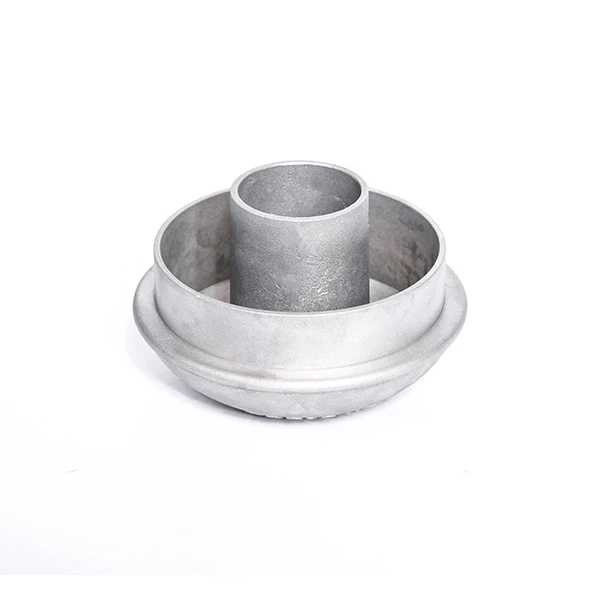
The HE351 elbow is typically made from high-quality materials designed to withstand significant thermal and mechanical stresses. Common materials include aluminum and high-grade steel, which provide a balance of strength, weight savings, and thermal resistance. Advanced manufacturing processes, such as CNC machining and casting, ensure that each elbow is produced with precision tolerances, which is critical for maintaining optimal airflow characteristics.
Additionally, these elbows can be found in both OEM (Original Equipment Manufacturer) and aftermarket options. Performance enthusiasts often seek aftermarket versions that offer superior finishes, optimized shapes, and custom designs tailored to enhance performance characteristics further.
Challenges and Considerations
While the HE351 elbow is a key element in optimizing engine performance, it is not without its challenges. One of the primary concerns is the potential for boost leaks, which can occur if the elbow is not installed correctly or if it suffers from manufacturing defects. Such leaks can lead to a decrease in performance and efficiency, underscoring the importance of quality control in the manufacturing process.
Moreover, as automotive technology continues to evolve, the demands on components like the HE351 elbow grow. Engineers must remain ahead of trends in turbocharging technology and emissions regulations to design elbows that can handle increased pressures and temperatures without compromising their integrity or performance.
The Future of the HE351 Elbow
As the automotive industry shifts towards greater efficiency and performance, the role of components like the HE351 elbow will continue to gain prominence. With advancements in materials science and manufacturing techniques, future iterations are expected to offer even better airflow characteristics, durability, and performance enhancement.
In conclusion, the HE351 elbow is more than just a simple connector in a turbocharged engine; it is a vital component that can dramatically influence the overall performance and efficiency of a vehicle. As automotive technology continues to march forward, understanding the intricacies of parts like the HE351 elbow will be essential for engineers and enthusiasts alike, ensuring that vehicles not only meet but exceed the performance standards of the modern automotive landscape.
-
Choosing an Engine Storage Crate Cover for Material and EnvironmentNewsNov.23,2026
-
Cylinder Head Chamber Buyers: Check the Casting Specification FirstNewsNov.17,2026
-
How Impeller Casting Manufacturers Match Material, Process and EquipmentNewsNov.15,2026
-
Valve body vs. intake air chamber: Which casting fits your assembly?NewsNov.02,2026
-
Air Intake Chamber FAQ: Specifications, Ordering and Support QuestionsNewsOct.28,2026
-
Motorcycle Accessories FAQ: Specifications, Ordering and Support QuestionsNewsOct.24,2026










