English

Mobile:+86-311-8081-2683
Email:info@ydcastings.com
English
Principles and Techniques in Metal Casting for Beginners and Practitioners
Fundamentals of Metal Casting
Metal casting is a vital manufacturing process that involves pouring molten metal into a mold to create a desired shape as it cools and solidifies. This technique has been utilized for thousands of years, evolving through various methods and technologies, but the core principles remain fundamentally unchanged. Understanding the basics of metal casting is essential for students, engineers, and professionals in the manufacturing sector.
At its core, metal casting starts with the melting of metal, which can be achieved using various furnaces—electric arc furnaces, induction furnaces, or cupolas, depending on the type of metal being processed. Common metals used in casting include iron, aluminum, bronze, and magnesium, each having unique properties that influence the casting process.
Fundamentals of Metal Casting
Once the mold is ready, molten metal is poured into it. The pouring process must be carefully controlled to avoid defects such as air entrapment or turbulence, which can lead to weak spots or inconsistencies in the final product. Various pouring techniques, gravity pouring, tilt pouring, and pressure casting, may be employed depending on the specific requirements of the casting and the nature of the metal.
fundamentals of metal casting
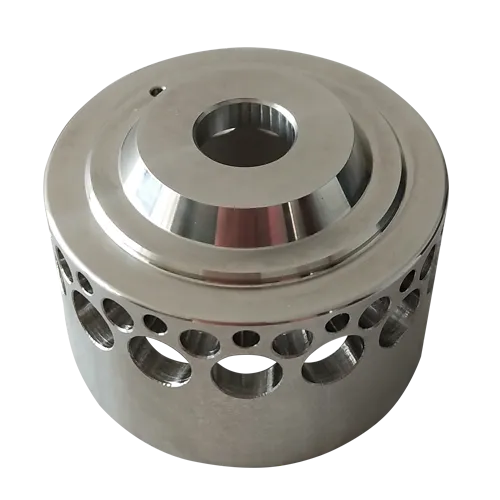
As the metal fills the mold cavity, it begins to cool and solidify. The cooling rate can significantly affect the properties of the final casting, influencing factors such as grain structure, strength, and ductility. After solidification, the mold is removed, and the cast metal part is further processed. This post-casting process may include trimming excess material, surface finishing, heat treatment, or machining to achieve the desired specifications.
One of the critical advantages of metal casting is its ability to create complex shapes that would be difficult or impossible to achieve through other manufacturing methods. It also allows for the economical production of both small and large quantities of components, making it ideal for various industries, including automotive, aerospace, and construction.
However, metal casting is not without its challenges. Some common issues encountered during the casting process include shrinkage defects, misruns, and other casting defects that can compromise the structural integrity of the finished product. To minimize these defects, careful attention must be paid to mold design, metal composition, and pouring techniques.
In conclusion, metal casting is a fundamental process in manufacturing that offers versatility and efficiency in producing metal components. As technologies continue to advance, new casting techniques and materials are emerging, leading to improved performance and sustainability. Understanding the fundamentals of metal casting is crucial for anyone involved in the production of metal parts, providing a foundation to explore more complex innovations in the field. By mastering these basics, one's ability to solve manufacturing challenges and push the boundaries of design will be significantly enhanced.
-
Choosing an Engine Storage Crate Cover for Material and EnvironmentNewsNov.23,2026
-
Cylinder Head Chamber Buyers: Check the Casting Specification FirstNewsNov.17,2026
-
How Impeller Casting Manufacturers Match Material, Process and EquipmentNewsNov.15,2026
-
Valve body vs. intake air chamber: Which casting fits your assembly?NewsNov.02,2026
-
Air Intake Chamber FAQ: Specifications, Ordering and Support QuestionsNewsOct.28,2026
-
Motorcycle Accessories FAQ: Specifications, Ordering and Support QuestionsNewsOct.24,2026










