English

Mobile:+86-311-8081-2683
Email:info@ydcastings.com
English
Innovative Floating Impeller Designs for Enhanced Fluid Dynamics and Efficiency in Engineering Applications
Understanding Floating Impellers The Essence of Fluid Dynamics in Diverse Industries
Floating impellers play a critical role in the realm of fluid dynamics, particularly in various industrial applications such as water treatment, chemical processing, and food production. These devices are designed to enhance the movement of fluids through a system, providing efficient mixing, aeration, and pumping capabilities. In this article, we will explore the design, function, and advantages of floating impellers, along with their applications in different industries.
The Design of Floating Impellers
Floating impellers are often engineered with specific features that allow them to operate effectively in dynamic environments. Typically, these impellers are mounted on the surface of the fluid and are designed to ‘float’ rather than being submerged entirely. This characteristic enables them to adapt to varying fluid levels and conditions without losing functionality.
The construction of a floating impeller involves materials that are resistant to corrosion and wear, ensuring longevity and effectiveness. Common materials include stainless steel, plastic, and specialized alloys, chosen based on the nature of the fluid being processed. The blades of the impeller are designed to create vortices, promoting efficient mixing and aeration, crucial for processes such as fermentation and chemical reactions.
Functionality of Floating Impellers
The primary function of floating impellers is to facilitate movement in fluids, whether they are liquids or slurry mixtures. By utilizing rotational energy, these devices create a flow pattern that enhances mixing and aeration. This is particularly important in applications where oxygen transfer is necessary, such as in aerobic wastewater treatment systems.
Floating impellers work by drawing fluid into their blades, forcing it outward in a radial pattern. This agitation not only helps in mixing different components of a solution but also aids in removing sedimentation and preventing the formation of stagnant zones. Additionally, the floating nature allows these impellers to maintain optimal performance without the risks associated with traditional submerged impellers, which can be prone to clogging or damage from heavy solids.
Advantages of Floating Impellers
floating impeller
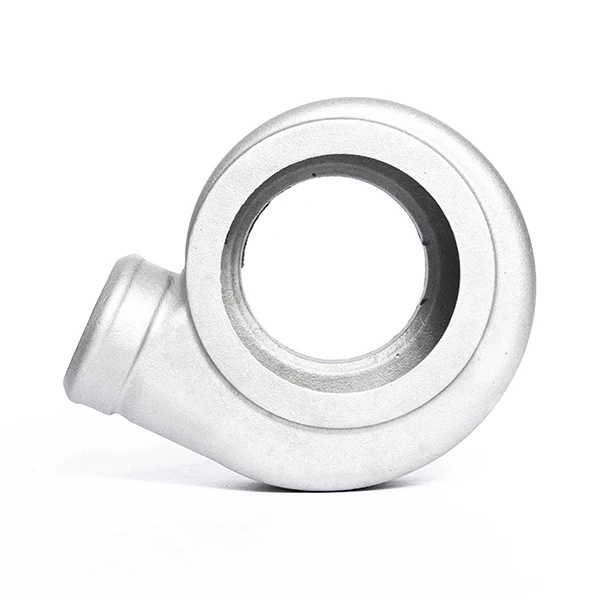
One of the significant advantages of floating impellers is their ability to operate effectively in varying fluid levels. Unlike fixed-submerged impellers, floating impellers can adjust to changes in the fluid level, ensuring consistent performance. This adaptability is crucial in applications where fluid volumes fluctuate frequently.
Another benefit is their energy efficiency. Floating impellers typically require less energy to achieve the same level of fluid movement and mixing compared to traditional impellers. This energy efficiency translates into reduced operational costs, making them an attractive option for industries seeking sustainable practices.
Moreover, floating impellers can be designed for easy maintenance and operational flexibility. They can be removed or adjusted without requiring extensive downtime, which is vital in industries that prioritize continuous production cycles. This ease of maintenance ensures that systems remain operational, reducing the risk of costly interruptions.
Applications in Various Industries
Floating impellers find applications across multiple sectors. In the wastewater treatment industry, they are crucial for aerating and mixing sludge, ensuring effective biological treatment processes. In food and beverage manufacturing, these impellers are utilized for mixing ingredients and aerating fermenters, enhancing product quality and consistency.
Chemical processing industries also benefit from floating impellers, where they facilitate the mixing of reactants to optimize chemical reactions. Furthermore, in aquaculture, floating impellers support oxygenation in fish farms, promoting healthy aquatic life.
Conclusion
Floating impellers represent a vital component in the field of fluid dynamics, offering innovative solutions to enhance efficiency and effectiveness in various industries. Their unique design and functionality, coupled with numerous advantages, make them indispensable in processes requiring consistent fluid movement and mixing. As industries continue to seek advanced technologies to optimize their operations, floating impellers will undoubtedly maintain their significance and expand their applications in the future.
-
Choosing an Engine Storage Crate Cover for Material and EnvironmentNewsNov.23,2026
-
Cylinder Head Chamber Buyers: Check the Casting Specification FirstNewsNov.17,2026
-
How Impeller Casting Manufacturers Match Material, Process and EquipmentNewsNov.15,2026
-
Valve body vs. intake air chamber: Which casting fits your assembly?NewsNov.02,2026
-
Air Intake Chamber FAQ: Specifications, Ordering and Support QuestionsNewsOct.28,2026
-
Motorcycle Accessories FAQ: Specifications, Ordering and Support QuestionsNewsOct.24,2026










