English

Mobile:+86-311-8081-2683
Email:info@ydcastings.com
English
Floating Impeller Technology for Enhanced Fluid Mixing and Pumping Efficiency
Understanding Floating Impellers Innovation in Fluid Dynamics
Floating impellers represent a significant advancement in the realm of pumping technology, particularly in applications requiring efficient fluid movement with minimal energy expenditure. These unique implements have gained traction in various industries, including wastewater treatment, chemical processing, and even food and beverage manufacturing. Their innovative design and operational efficiency can greatly enhance productivity and reduce operational costs.
What is a Floating Impeller?
At its core, a floating impeller is a type of pump component that operates by utilizing buoyancy to facilitate fluid movement. Unlike traditional impellers that are fixed in place, a floating impeller is designed to move freely within the fluid, allowing it to adjust to varying pressures and flows. This floating mechanism enables the impeller to maintain optimal performance across a range of operating conditions, making it particularly useful in environments where fluid characteristics can change rapidly.
The Mechanics Behind Floating Impellers
The design of floating impellers incorporates various engineering principles. They typically feature a series of blades arranged around a central hub, much like conventional impellers. However, the critical differentiator lies in their buoyant properties, often supplemented by innovative materials that enhance their durability and performance.
When submerged in a fluid, the floating impeller experiences an upward buoyant force that counteracts the weight of the impeller itself. This buoyancy allows the impeller to adjust its position as per the fluid dynamics at play, which can lead to increased efficiency in fluid movement. As the impeller rotates, its blades effectively create a pressure differential that draws the fluid into the pump and expels it outward, resulting in an enhanced flow rate.
Advantages of Floating Impellers
1. Energy Efficiency One of the most significant benefits of floating impellers is their ability to reduce energy consumption. By adapting to fluid dynamics, they can operate effectively across varying conditions without requiring additional energy input. This can result in substantial cost savings over time, particularly for operations that run continuously.
floating impeller
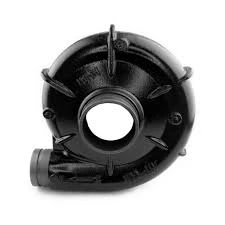
2. Reduced Wear and Tear The design of floating impellers minimizes the mechanical stress typically associated with fixed impellers. This reduction in wear and tear can lead to longer service life for the impellers and the overall pumping system, reducing the need for frequent replacements and maintenance.
3. Versatility Floating impellers can be utilized in a broad array of applications, from moving water in treatment plants to handling viscous liquids in food processing. Their adaptability makes them a preferred choice across industries that deal with fluctuating fluid characteristics.
4. Improved Performance in Viscous Fluids Many traditional pumping mechanisms struggle when dealing with viscous fluids. Floating impellers, thanks to their unique design, can handle these challenging liquids more effectively, ensuring consistent and reliable flow rates.
Applications of Floating Impellers
The versatility of floating impellers has led to their adoption in several industrial applications. In wastewater treatment facilities, they help in the efficient movement of effluent and sludge, ensuring proper treatment processes. In the chemical industry, floating impellers are used to transport a variety of substances, from corrosive chemicals to thick slurries, without compromising the integrity of the materials. Similarly, in food and beverage manufacturing, these impellers enable the safe and efficient movement of ingredients.
The Future of Pumping Technology
As industries continue to evolve and the demand for efficient solutions grows, floating impellers are likely to play an increasingly prominent role in the landscape of pumping technology. Ongoing innovations in materials and design promise to further enhance their performance, cost-effectiveness, and environmental sustainability.
In conclusion, floating impellers represent a remarkable evolution in fluid dynamics, offering significant advantages over traditional pumping mechanisms. Their ability to adapt to changing conditions while maintaining energy efficiency and reducing maintenance needs makes them an invaluable asset in numerous applications. As we move into the future, the adoption of floating impeller technology is poised to revolutionize how we think about fluid movement and energy consumption in various industries.
-
Choosing an Engine Storage Crate Cover for Material and EnvironmentNewsNov.23,2026
-
Cylinder Head Chamber Buyers: Check the Casting Specification FirstNewsNov.17,2026
-
How Impeller Casting Manufacturers Match Material, Process and EquipmentNewsNov.15,2026
-
Valve body vs. intake air chamber: Which casting fits your assembly?NewsNov.02,2026
-
Air Intake Chamber FAQ: Specifications, Ordering and Support QuestionsNewsOct.28,2026
-
Motorcycle Accessories FAQ: Specifications, Ordering and Support QuestionsNewsOct.24,2026










