English

Mobile:+86-311-8081-2683
Email:info@ydcastings.com
English
flat end cap
Understanding Flat End Caps An Essential Component in Various Industries
Flat end caps play a crucial role in a variety of applications across multiple industries, serving as a reliable protection and closure solution for pipes, tubes, and other cylindrical structures. These components can be made from various materials, including plastic, metal, and rubber, depending on the specific requirements of the application and the environment in which they will be used.
What Are Flat End Caps?
Flat end caps are essentially covers designed to seal the open ends of cylindrical objects. Their primary function is to prevent the entry of dust, moisture, or other contaminants that could potentially compromise the integrity of the contents inside the tube or pipe. They can also serve to provide a finished look to exposed ends, enhancing the aesthetic appeal of a product.
These caps can be found in a wide range of sizes to accommodate different diameters of pipes and tubes. They can be manufactured to achieve tight tolerances and durable finishes, ensuring they remain securely in place and withstand environmental stresses.
Applications of Flat End Caps
1. Plumbing and Construction In plumbing systems, flat end caps are frequently used to close off unused outlets on pipes, preventing leaks and maintaining system integrity. In construction, they may be utilized for scaffolding tubes to protect interior spaces from debris.
2. Automotive Industry Flat end caps are common in the automotive industry as well. They are used to seal exhaust pipes and various fluid lines, helping to keep contaminants out and fluids contained.
flat end cap
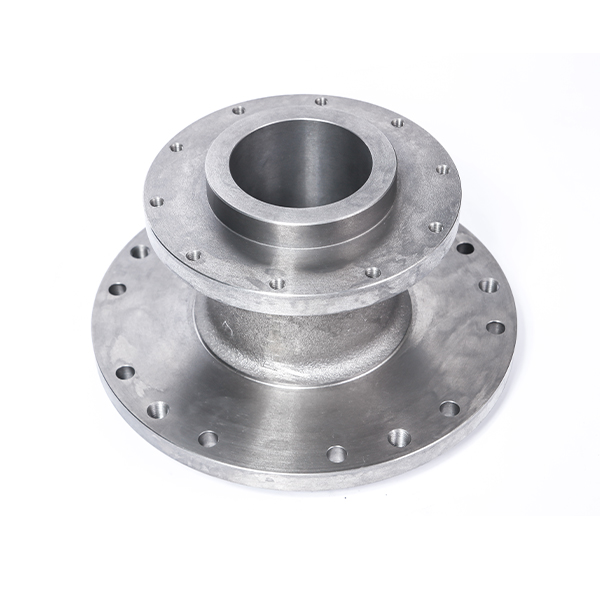
3. Manufacturing and Industrial These caps are utilized in manufacturing processes, where protecting the ends of tubes and pipes can be critical. They can enhance safety by preventing sharp edges from being exposed.
Materials and Design Considerations
When selecting flat end caps, one must consider the material. Plastic caps are lightweight, corrosion-resistant, and cost-effective, making them suitable for many applications. Metal end caps, on the other hand, provide higher durability and can withstand extreme temperatures and pressures, ideal for industrial applications. Rubber caps are often used for temporary closures, as they provide flexibility and a snug fit.
The design of the end cap is also important. Some flat end caps have features like ribbed edges for improved grip, while others may have threaded endings for a secure twist-on fit. Custom designs can be manufactured to meet specific needs, ensuring optimal performance for the intended application.
Conclusion
In conclusion, flat end caps are small yet vital components in various industries. Their ability to protect, seal, and enhance the functionality of tubes and pipes cannot be underestimated. As technology advances, the materials and designs of flat end caps continue to evolve, providing even greater efficiency and effectiveness in their applications. Whether in construction, automotive, manufacturing, or healthcare, these simple devices play an indispensable role in maintaining system integrity and safety. Understanding their importance can help professionals make informed decisions in their projects, ensuring long-lasting and reliable performance.
-
Choosing an Engine Storage Crate Cover for Material and EnvironmentNewsNov.23,2026
-
Cylinder Head Chamber Buyers: Check the Casting Specification FirstNewsNov.17,2026
-
How Impeller Casting Manufacturers Match Material, Process and EquipmentNewsNov.15,2026
-
Valve body vs. intake air chamber: Which casting fits your assembly?NewsNov.02,2026
-
Air Intake Chamber FAQ: Specifications, Ordering and Support QuestionsNewsOct.28,2026
-
Motorcycle Accessories FAQ: Specifications, Ordering and Support QuestionsNewsOct.24,2026










