English

Mobile:+86-311-808-126-83
Email:info@ydcastings.com
English
Female End Cap: Durable Industrial Pipe Fittings for Global Applications
Understanding the Female End Cap: Essential Connector in Global Industry
If you’ve ever had to seal off or finish a pipe or tube — whether in plumbing, industrial piping, or mechanical assembly — then you’ve already indirectly encountered the humble female end cap. It’s a simple-fitting component with an outsized role, especially in sectors ranging from water management to manufacturing. Globally, as infrastructure projects and industrial processes grow more complex, understanding the female end cap and its value becomes crucial. Not just for engineers, but also for supply chain managers and project planners aiming for durability, efficiency, and safety.
These end caps aren’t flashy; rather, they quietly perform the critical task of sealing pipe ends, preventing leaks and contamination, and allowing modular expansions in systems. They make industrial setups more maintainable and adaptable. So yeah, knowing why and how to use them means reducing costly errors, improving sustainability, and even enhancing worker safety.
Why Female End Caps Matter on a Global Scale
Worldwide infrastructure expansion — especially in water supply, oil and gas, and chemical industries — relies heavily on standardized, reliable fittings. According to the International Organization for Standardization (ISO), about 70% of pipeline failures can be traced to poor sealing or inadequate end fittings. Here’s where female end caps step in.
The United Nations’ sustainable development goals (SDGs), particularly Goal 6 on clean water and sanitation, also indirectly emphasize the need for effective pipe sealing solutions to prevent leaks and contamination. Roughly speaking, billions of meters of piping get installed annually worldwide, and a reliable female end cap often ensures these systems function without costly interruptions.
Yet challenges persist — varying materials, pressure ratings, chemical resistance, and even correct fitting size sometimes cause installation hiccups or leakages in harsh environments. Choosing the right female end cap, then, solves multiple headaches — from minimizing downtime to protecting environmental and human health.
What Exactly is a Female End Cap?
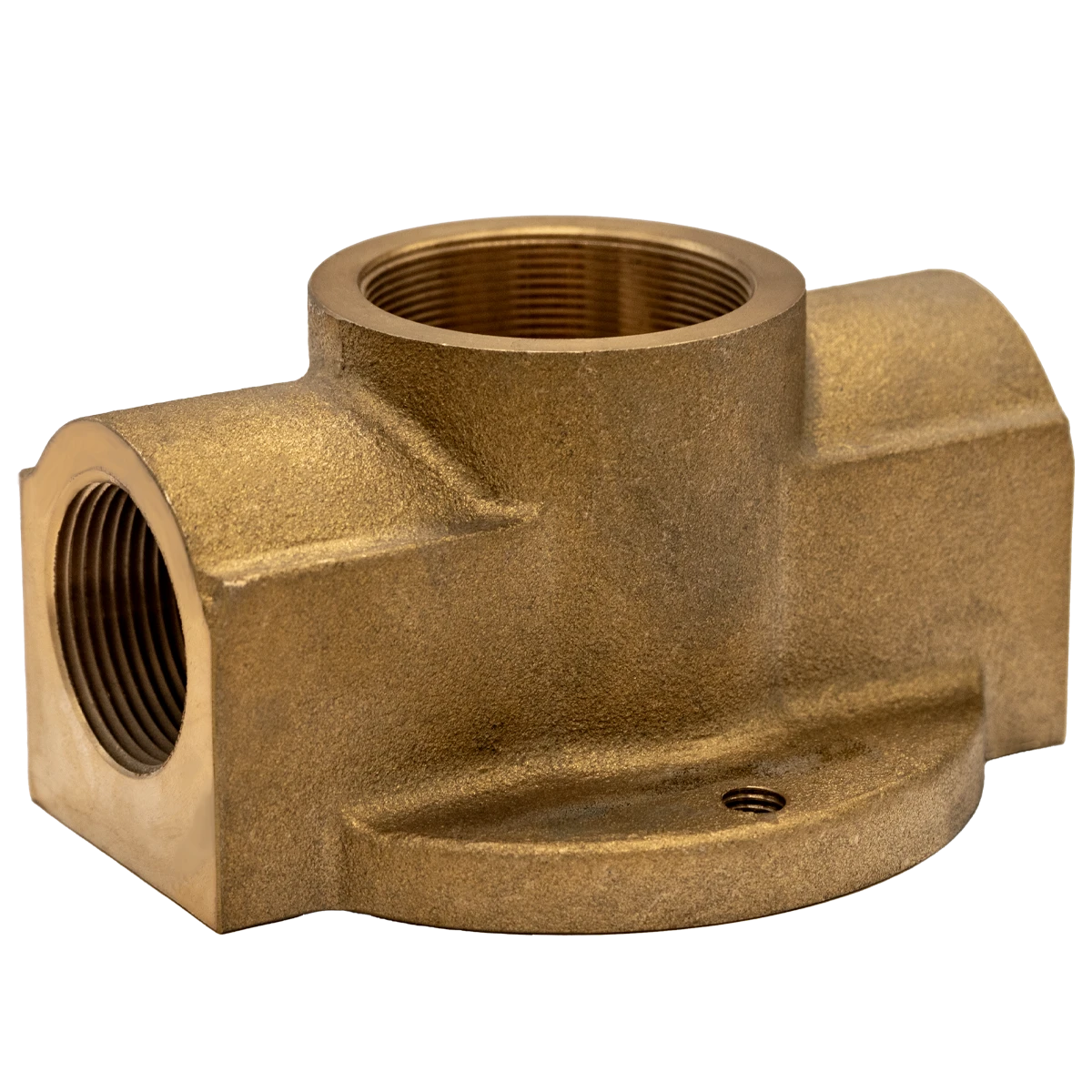
To put it simply: a female end cap is a pipe fitting designed to close off the end of a pipe, fitting snugly inside or over a male connection, typically by threading or slip-fit design. It’s called “female” because it usually has interior threads or a receptacle function, allowing it to receive or cover a male pipe end.
This closure essentially prevents fluid or gas from flowing out of the pipe system, maintaining pressure integrity and protecting the inner contents from contamination. Industries like waterworks, petrochemicals, and HVAC use these caps extensively to finish off lines safely or temporarily during maintenance.
Oddly enough, despite its simple design, a female end cap connects deeply with modern needs for modular industrial setups — enabling systems that are expandable, repairable, and adaptable over time.
Key Characteristics of Female End Caps
Durability & Material Choices
Female end caps must withstand the elements — corrosive chemicals, high pressures, temperature swings. Common materials include stainless steel, brass, PVC, and sometimes specialty alloys depending on application. For instance, marine environments demand corrosion-resistant bronze or stainless steel end caps.
Sealing Efficiency
They often incorporate gaskets or use tight thread tolerances to achieve an airtight or watertight seal. In many oil and gas installations, leak prevention is mission-critical, which means choosing caps with robust sealing designs is non-negotiable.
Compatibility & Standard Sizing
Compatibility with pipes — threaded or plain — is vital. ISO and ANSI standards help standardize dimensions, simplifying procurement and replacement. But local industry practices and pipe types sometimes complicate this.
Ease of Installation & Maintenance
A well-designed female end cap minimizes installation time and effort. Threaded types allow quick hand-tightening followed by modest torque, while others might require welding or solvent cementing. Smooth maintenance saves costs down the line.
Mini Takeaway:
Choosing female end caps isn’t just about size — it’s about material, sealing quality, and fitment tailored to your industry’s needs.
Practical Applications of Female End Caps Around the World
It’s almost everywhere! Take, for instance:
- Water treatment plants: Closing off pipe ends during system expansions or repairs.
- Oil & Gas: Sealing pipeline ends temporarily during maintenance or permanently in storage tanks.
- Manufacturing plants: Finishing off pneumatic or hydraulic lines to avoid contamination or fluid loss.
- Humanitarian aid projects: In post-disaster relief operations, female end caps can seal temporary water distribution lines to ensure clean supply.
- Remote industrial zones: Modular piping setups rely on these caps to allow phased machine installation without risking leaks.
One interesting story comes from a Southeast Asian NGO retrofitting rural water systems — carefully chosen PVC female end caps helped reduce contamination risks by 40% within six months by securing temporary pipe ends during phased expansions.
Advantages and Lasting Benefits of Female End Caps
On paper, sealing a pipe might seem dull. But here’s the kicker:
- Cost Savings: Prevents leaks that otherwise cause expensive downtime and repairs.
- Environmental Protection: Eliminates contamination risks meaning less environmental damage.
- Safety: Reduces exposure to harmful substances for workers and communities.
- Flexibility: Supports modular, expandable infrastructure, which is key in rapidly changing industries.
- Longevity: Durable materials mean fewer replacements, less waste.
Emotionally speaking, you get peace of mind knowing the systems you rely on — whether water supply or industrial gas lines — won’t suddenly fail due to something as simple as a loose pipe end.
Female End Cap Product Specification Table
| Specification | Details |
|---|---|
| Material | Stainless Steel (316), PVC, Brass |
| Size Range | 1/2" to 24" diameter |
| Connection Type | Threaded (NPT / BSP), Slip-on, Weld-On |
| Pressure Rating | Up to 3000 psi (varies by material) |
| Temperature Range | -40°C to 250°C (depending on material) |
Top Vendors for Female End Caps: A Simple Comparison
| Vendor | Material Range | Custom Sizes | Price (USD) | Lead Time |
|---|---|---|---|---|
| PipePro Inc. | Stainless Steel, Brass | Yes | $15–$50 per piece | 1–2 weeks |
| FlowSeal Supplies | PVC, HDPE | No | $5–$20 per piece | 3–5 days |
| MetroFit Solutions | Brass, Stainless Steel, Carbon Steel | Yes | $20–$60 per piece | 2–3 weeks |
Emerging Trends and Innovations in Female End Cap Technology
The future looks surprisingly dynamic. Lighter, stronger composite materials with enhanced corrosion resistance are making waves. One example: carbon-fiber reinforced polymer end caps, which cut weight drastically on offshore rigs while maintaining pressure integrity.
Digitalization also plays a role. Smart sensors embedded in pipe fittings can monitor sealing condition and pressure leaks in real-time — no more guessing if that female end cap is about to fail.
Moreover, sustainability pressures push manufacturers towards recyclable and bio-based plastics for non-metallic caps, aligning with global carbon reduction targets outlined by the Paris Agreement.
The automation of assembly lines means female end caps must be designed for quick, reliable robotic installation — no hand-tightening anymore, at least in factories aiming for Industry 4.0 standards.
Common Challenges & Expert Tips
Despite these advances, users still stumble on:
- Incorrect sizing: Ordering female end caps that don’t fit your pipe leads to expensive delays.
- Material mismatches: Using a PVC end cap in a corrosive chemical line can cause premature failure.
- Thread damage: Over-tightening or poor thread design causes leaks and hard-to-repair failures.
Experts recommend thorough consultation with suppliers—like those vetted on female end cap marketplaces—to ensure specs match real-world conditions. Also, testing caps under actual operating pressures can’t be overstated.
FAQs About Female End Caps
- What factors determine the best female end cap for high-pressure systems?
- Materials, pressure rating, and thread compatibility are key. Stainless steel caps rated for at least 3000 psi with NPT threading are often preferred in high-pressure setups.
- Can female end caps be used in potable water systems?
- Yes, but it’s crucial to use certified materials like food-grade PVC or stainless steel that meet NSF/ANSI standards to ensure safety and compliance.
- Are custom-sized female end caps readily available?
- Many suppliers offer custom sizes for unique applications, but lead times and costs increase. Early design communication helps manage expectations.
- How do I prevent leaks when installing a threaded female end cap?
- Use appropriate thread sealants like PTFE tape or pipe dope, and avoid over-tightening which can distort threads.
- Is it feasible to use female end caps temporarily during pipeline construction?
- Absolutely. They’re commonly used in phased projects to seal unfinished pipes, protecting systems from debris and contaminants.
Wrapping It Up: Why Female End Caps Are More Important Than You Think
The female end cap might be a quiet player in the vast global arena of infrastructure and industry, but its impact echoes in projects worth millions and, frankly, in the basics of daily life — clean water, safe manufacturing, and reliable energy distribution. Choosing the right one means better durability, safety, and efficiency for your systems.
Interested in exploring high-quality female end cap solutions? Visit our website and connect with trusted vendors who know the drill — or thread, as it were.
References
-
Precision Valve Castings for Agricultural Irrigation and Fluid Control SystemsNewsMay.08,2026
-
Precision Impeller and Compressor Components for Agricultural MachineryNewsMay.08,2026
-
Essential Cast Components for Agricultural Machinery: Oil Management and Motor ProtectionNewsMay.08,2026
-
High-Performance Cast Components for Agricultural Machinery: From Cooling to Exhaust SystemsNewsMay.08,2026
-
Agricultural Valve Castings: Durable Flow Control Solutions for Farm Irrigation SystemsNewsMay.08,2026
-
High-Performance Agricultural Pump Components: Precision Castings for Reliable Farm OperationsNewsMay.08,2026