English

Mobile:+86-311-8081-2683
Email:info@ydcastings.com
English
Exploring the Techniques and Benefits of Brass Casting in Modern Manufacturing
The Art and Science of Brass Casting
Brass casting is a centuries-old method that combines artistry and engineering to create beautiful, functional objects. Brass, an alloy primarily made of copper and zinc, possesses striking physical properties, making it an excellent material for casting. The warm golden hue of brass not only makes it aesthetically pleasing but also gives it sturdiness and resistance to corrosion. As a result, brass casting finds applications in various industries, from industrial machinery to decorative art pieces.
Historical Context
The history of brass casting can be traced back to ancient civilizations. Archaeological evidence suggests that the alloy was utilized as far back as the Roman Empire, where brass was cast into coins and decorative items. In Asia, particularly in China and India, intricate brass casting techniques flourished, producing beautiful sculptures and household items.
With the rise of the Industrial Revolution, brass casting gained momentum as factories began to produce brass components en masse. This era witnessed the evolution of casting techniques, moving from traditional hand methods to more sophisticated industrial processes, which allowed for greater precision and consistency in production.
The Casting Process
Brass casting consists of several stages, each requiring skill and careful execution. The process typically begins with the creation of a mold. There are several types of molds used in brass casting, including sand molds, investment molds, and permanent molds. The choice of mold depends largely on the complexity of the design and the desired finish of the final product.
1. Mold Creation For sand casting, a pattern of the object is made from wood or metal and is pressed into sand to create a negative impression. This mold is then assembled, leaving space for molten brass to be poured in.
2. Melting the Brass The next step involves melting the brass alloy. This is typically done in a furnace where precise temperatures are maintained to ensure proper melting. The melted brass should have an even consistency to allow for smooth pouring into the mold.
brass casting
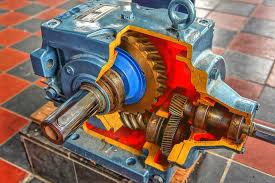
3. Pouring the Metal After the brass reaches the correct temperature, it is poured into the prepared mold. This step must be done quickly and carefully to avoid any air pockets that could compromise the integrity of the casting.
4. Cooling and Unmolding Once the molten brass fills the mold, it is allowed to cool and solidify. This cooling process can take several hours, depending on the size of the casting. After cooling, the mold is removed, revealing the raw casting.
5. Finishing The final step in the brass casting process involves finishing touches. This may include sanding, polishing, and applying protective coatings to enhance the appearance and durability of the object. Finishing processes can dramatically change the look of the brass, making it shiny, matte, or even patinated for an antique effect.
Applications of Brass Casting
Brass casting serves various industries and purposes. In the mechanical field, it is commonly used to create fittings, valves, and gears due to its strength and resistance to wear. In the decorative arts, artisans produce sculptures, jewelry, and household items that showcase the beauty of brass.
Musical instruments, such as trumpets and saxophones, are often made from brass, as it produces a warm sound quality. Furthermore, electrical connectors and components made from brass provide reliable conductivity and corrosion resistance, making them essential in the electronics industry.
Conclusion
Brass casting is a unique blend of artistry and engineering that has stood the test of time. From its historical beginnings to modern applications, the craft continues to evolve while maintaining its roots in tradition. As technology advances, new methods and materials are being introduced, yet the golden allure of brass remains a favorite among artisans and industrial manufacturers alike.
In a world increasingly leaning on mass production, the intricate process of brass casting serves as a reminder of the beauty that can be achieved through craftsmanship and skill. Whether it’s a mundane mechanical part or a stunning piece of art, brass casting highlights the versatility and enduring appeal of this remarkable alloy.
-
Choosing an Engine Storage Crate Cover for Material and EnvironmentNewsNov.23,2026
-
Cylinder Head Chamber Buyers: Check the Casting Specification FirstNewsNov.17,2026
-
How Impeller Casting Manufacturers Match Material, Process and EquipmentNewsNov.15,2026
-
Valve body vs. intake air chamber: Which casting fits your assembly?NewsNov.02,2026
-
Air Intake Chamber FAQ: Specifications, Ordering and Support QuestionsNewsOct.28,2026
-
Motorcycle Accessories FAQ: Specifications, Ordering and Support QuestionsNewsOct.24,2026










