English

Mobile:+86-311-8081-2683
Email:info@ydcastings.com
English
exhaust manifold ppt
Understanding Exhaust Manifolds Function and Features
An exhaust manifold is a critical component in an internal combustion engine, serving a vital role in the vehicle's exhaust system. It is designed to collect exhaust gases from multiple cylinders and direct them into a single exhaust pipe. This article will delve into the structure, function, and significance of exhaust manifolds, as well as discuss different types and materials used in their construction.
Function of the Exhaust Manifold
The primary function of the exhaust manifold is to channel exhaust gases produced during combustion away from the engine and towards the exhaust system. When fuel burns in an engine's cylinders, it creates a high-pressure environment that pushes exhaust gases out. The exhaust manifold collects these gases from the cylinder head and moves them to the exhaust system where they can be further treated or expelled safely into the atmosphere.
By efficiently managing the exhaust flow, the manifold helps to maintain optimal engine performance, improve fuel efficiency, and reduce emissions. A well-designed manifold minimizes back pressure, which allows the engine to expel exhaust gases quickly and enhance airflow, thereby contributing to better engine efficiency and power output.
Types of Exhaust Manifolds
There are several types of exhaust manifolds that vary based on design and application
1. Cast Iron Manifolds Traditionally, exhaust manifolds are made from cast iron due to its durability, resistance to heat, and ability to withstand high stress. However, cast iron is relatively heavy, which can affect overall vehicle performance.
2. Stainless Steel Manifolds Many modern vehicles incorporate stainless steel manifolds. Stainless steel offers advantages such as lightweight design, better resistance to corrosion, and enhanced performance characteristics. They are often used in performance applications due to their ability to handle higher temperatures and pressures.
3. Tubular Manifolds These are a type of stainless steel manifold designed with individual pipes for each cylinder, which generally results in improved airflow and performance. Tubular manifolds are commonly found in high-performance engines and racing vehicles.
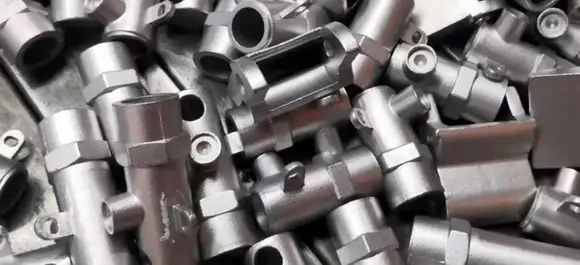
exhaust manifold ppt
Features of a Good Exhaust Manifold
A well-designed exhaust manifold should incorporate several key features
- Smooth Airflow The internal design should promote smooth and uninterrupted exhaust flow to reduce turbulence and back pressure. - Heat Resistance It should be made from materials that can withstand high temperatures without warping or degrading over time.
- Low Weight In performance applications, lightweight manifolds contribute to better overall vehicle performance and handling. - Corrosion Resistance To extend the lifespan of the manifold, materials should resist rust and corrosion caused by heat and exposure to exhaust gases.
Maintenance and Considerations
Over time, exhaust manifolds can develop cracks due to the stress of thermal expansion and contraction, especially in older vehicles. Regular inspection can help detect issues early, preventing more significant problems such as exhaust leaks, which can lead to engine inefficiency and increased emissions.
It is crucial for car owners to be aware of the signs of a failing exhaust manifold, such as unusual engine noises, poor engine performance, or the smell of exhaust fumes inside the vehicle. Timely repairs can ensure the manifold functions effectively, keeping the vehicle running efficiently and responsibly.
Conclusion
The exhaust manifold is a fundamental component of an engine that significantly impacts performance, efficiency, and emissions. Understanding its function, types, and maintenance can help vehicle owners make informed decisions about their vehicles and ensure longevity and performance. Regular inspection and proper maintenance of the exhaust manifold can lead to a more efficient engine operation, enhancing both fuel economy and overall vehicle reliability.
-
Choosing an Engine Storage Crate Cover for Material and EnvironmentNewsNov.23,2026
-
Cylinder Head Chamber Buyers: Check the Casting Specification FirstNewsNov.17,2026
-
How Impeller Casting Manufacturers Match Material, Process and EquipmentNewsNov.15,2026
-
Valve body vs. intake air chamber: Which casting fits your assembly?NewsNov.02,2026
-
Air Intake Chamber FAQ: Specifications, Ordering and Support QuestionsNewsOct.28,2026
-
Motorcycle Accessories FAQ: Specifications, Ordering and Support QuestionsNewsOct.24,2026










