English

Mobile:+86-311-8081-2683
Email:info@ydcastings.com
English
Enhancing Turbocharger Efficiency with Advanced Exhaust Impeller Design Techniques
Exhaust Impeller The Unsung Hero of Modern Machinery
In the intricate world of engineering, where efficiency and innovation reign supreme, the exhaust impeller stands out as a vital yet often overlooked component. Found in various machines including turbochargers, ventilators, and gas turbines, the exhaust impeller plays a crucial role in enhancing performance and ensuring effective operation. In this article, we will explore the construction, functionality, and importance of exhaust impellers, shedding light on their significance across different industries.
The Structure of Exhaust Impellers
At its core, an exhaust impeller is a type of fan that is designed to expel exhaust gases efficiently. Typically made from lightweight yet durable materials such as aluminum or composite alloys, these impellers can withstand high temperatures and corrosive environments. The design of the impeller itself is pivotal; it usually features a series of blades arranged in a specific aerodynamic configuration. This distinct layout allows for optimal airflow dynamics, minimizing drag and maximizing thrust.
The size and shape of the impeller are tailored to the specific requirements of the machine it serves. For example, in a turbocharger, the impeller is designed to fit within a compact space while still delivering substantial airflow to enhance engine performance. In industrial applications, larger impellers may be used to move significant volumes of air or gas, ensuring compliance with environmental regulations regarding emissions and pollutant dispersal.
Functionality How Exhaust Impellers Work
The primary function of an exhaust impeller is to facilitate the movement of exhaust gases away from the source. In automotive engines, for instance, the impeller helps to speed up the expulsion of exhaust fumes, thereby reducing back pressure within the engine. This process enables the engine to operate more efficiently and produces more power.
In turbochargers, the exhaust impeller is driven by the engine's exhaust gases. As the gases spin the impeller, it compresses incoming air before it enters the engine cylinders. This not only enhances the combustion process but also results in improved fuel efficiency and performance. The unique relationship between the exhaust impeller and the turbocharger is vital for achieving optimal power output from smaller engines, making it a staple component in modern automotive design.
exhaust impeller
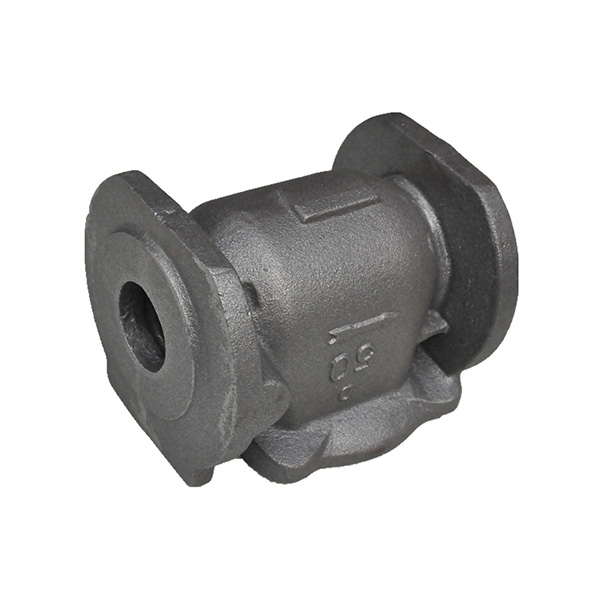
In industrial applications, exhaust impellers are critical in various systems including HVAC units, where they help manage air quality and temperature. By ensuring a consistent flow of air, exhaust impellers contribute to the effectiveness of systems designed to remove contaminants or disperse heat.
Importance Across Industries
The significance of exhaust impellers stretches across multiple sectors. In automotive engineering, their presence in turbochargers allows for smaller engines to generate greater power, aligning with global trends towards fuel efficiency and reduced emissions. In aerospace, the efficiency of exhaust impellers directly influences aircraft performance, making them crucial for both civilian and military aviation.
Manufacturing industries also rely heavily on exhaust impellers to maintain safe and healthy working environments. Efficient ventilation systems equipped with powerful exhaust impellers help to mitigate the risks associated with toxic fumes and dust, ensuring compliance with safety regulations.
Moreover, in the realm of renewable energy, exhaust impellers are being utilized in biomass and waste-to-energy plants to enhance gas flow, improving combustion efficiency and maximizing energy output. As industries continue to evolve and innovate, the demand for reliable and efficient exhaust impellers is likely to grow.
Conclusion
The exhaust impeller, while often unrecognized, is an essential component in many machines that define our modern world. Its ability to efficiently manage exhaust gases enhances performance, increases safety, and contributes to environmental sustainability. By understanding the functionality and significance of this vital component, we can better appreciate the intricacies of modern engineering and the innovations that drive it forward. As technology advances, the design and application of exhaust impellers will continue to evolve, promising even greater efficiency and performance in the years to come.
-
Choosing an Engine Storage Crate Cover for Material and EnvironmentNewsNov.23,2026
-
Cylinder Head Chamber Buyers: Check the Casting Specification FirstNewsNov.17,2026
-
How Impeller Casting Manufacturers Match Material, Process and EquipmentNewsNov.15,2026
-
Valve body vs. intake air chamber: Which casting fits your assembly?NewsNov.02,2026
-
Air Intake Chamber FAQ: Specifications, Ordering and Support QuestionsNewsOct.28,2026
-
Motorcycle Accessories FAQ: Specifications, Ordering and Support QuestionsNewsOct.24,2026










