English

Mobile:+86-311-8081-2683
Email:info@ydcastings.com
English
Understanding Turbo Exhaust Housing for Enhanced Automotive Performance and Efficiency
Understanding Exhaust Housing in Turbochargers
Turbocharging has revolutionized the automotive industry by enhancing engine efficiency and performance. At the heart of this technology lies the turbocharger, a complex device that significantly increases an engine's power output without a corresponding increase in size. One of the critical components of a turbocharger is the exhaust housing. This article explores the function, design, and significance of the exhaust housing in turbochargers.
What is Exhaust Housing?
The exhaust housing of a turbocharger is the component that receives exhaust gases from the engine and directs them into the turbine. It plays a pivotal role in the overall efficiency and performance of the turbocharger. The design and construction of the exhaust housing can significantly affect the turbocharger's spool time, pressure ratios, and, ultimately, the engine's horsepower output.
Function of Exhaust Housing
When an engine is running, it produces exhaust gases that flow out through the exhaust manifold. The exhaust housing captures these gases and channels them towards the turbine. As the gases enter the housing, they expand and spin the turbine wheel, which is connected to the compressor wheel via a shaft. This process increases the intake air pressure, allowing the engine to burn more fuel and produce more power.
Apart from directing the flow of exhaust gases, the exhaust housing is also designed to withstand high temperatures and pressures. Made typically from cast iron or high-grade stainless steel, these materials are chosen for their ability to endure extreme heat while maintaining structural integrity.
Design Considerations
The design of the exhaust housing is crucial for optimizing turbocharger performance. Key factors include the size and geometry of the housing. A larger exhaust housing can reduce backpressure, allowing the turbo to spool more freely; however, this could affect the response time. Conversely, a smaller housing can increase turbo response but may lead to excessive backpressure at higher RPMs.
exhaust housing turbo
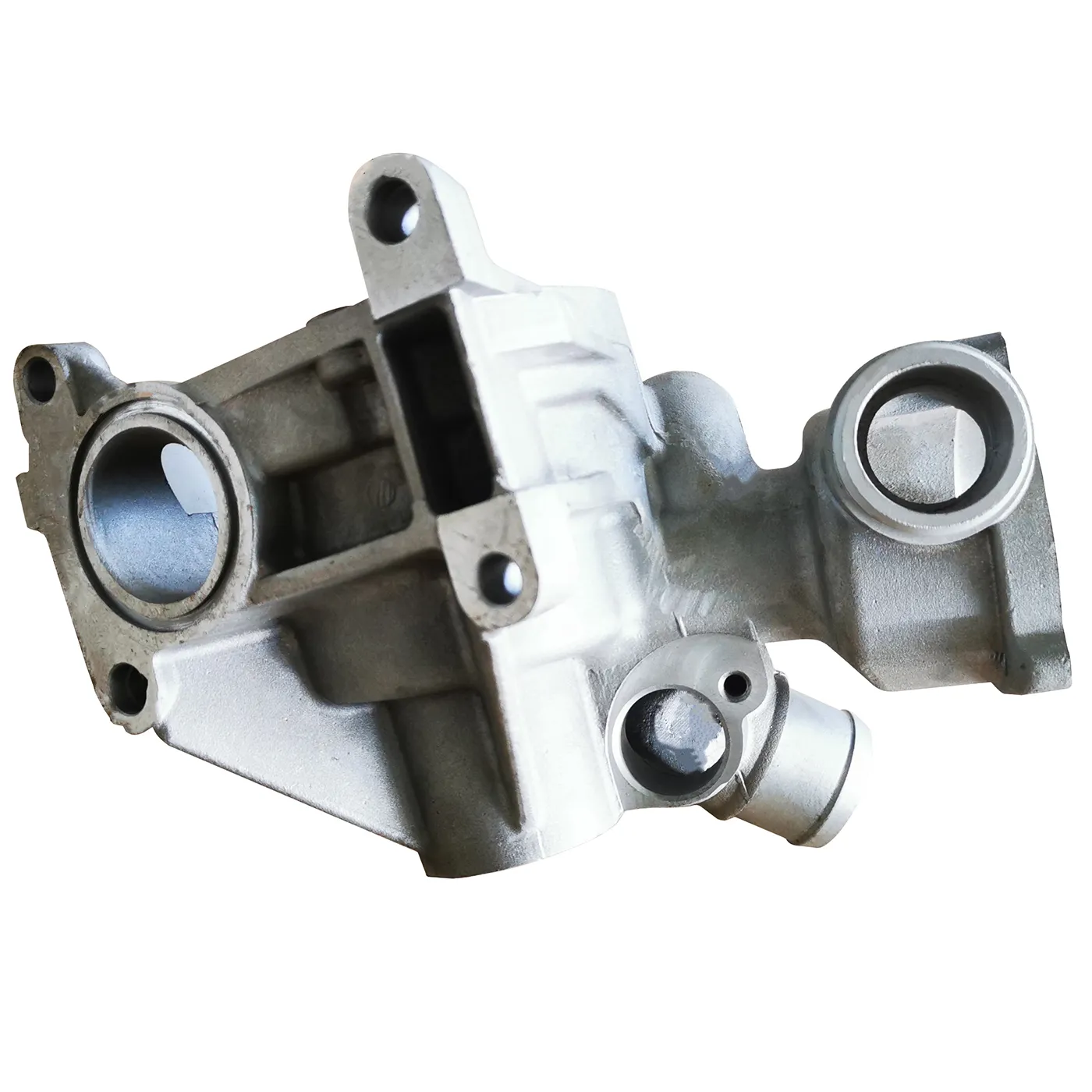
The angle and shape of the exhaust inlet also play a critical role. A well-designed inlet can help ensure that exhaust gases flow smoothly into the turbine, maximizing efficiency. Furthermore, some exhaust housings feature adjustable geometries. These Variable Geometry Turbochargers (VGT) allow for dynamic control of the exhaust flow, improving performance across a broader range of engine speeds.
Importance in Turbocharging Performance
The efficiency of the exhaust housing directly influences the turbocharger's performance. A poorly designed housing can lead to lag, which is the delay between pressing the accelerator and the turbo providing the expected boost. This lag is often a result of excessive backpressure or inefficient gas flow. On the other hand, an optimized exhaust housing allows for quicker spool times, improved throttle response, and enhanced overall performance.
Moreover, the exhaust housing affects the temperature of the exhaust gases. High-performance engines generate significantly higher temperatures, and an efficient exhaust housing is essential to manage these temperatures and prevent premature wear or damage to the turbocharger and the engine itself.
Aftermarket Options
For many performance enthusiasts and tuners, aftermarket exhaust housings offer an avenue to enhance turbo performance. Upgrading to a more efficient exhaust housing can provide gains in spool time and overall power output. Aftermarket options may include larger housings or those designed with improved flow characteristics, allowing users to customize their turbocharger setups based on their specific driving needs or performance goals.
Conclusion
The exhaust housing is a crucial component of a turbocharger, influencing its efficiency, performance, and responsiveness. Understanding its design and function can provide valuable insights for automotive enthusiasts and engineers alike. As turbocharging technology continues to evolve, optimizing the exhaust housing will remain a vital aspect of maximizing engine performance and efficiency. Whether in stock applications or high-performance setups, the exhaust housing remains a key player in the world of turbocharging.
-
Choosing an Engine Storage Crate Cover for Material and EnvironmentNewsNov.23,2026
-
Cylinder Head Chamber Buyers: Check the Casting Specification FirstNewsNov.17,2026
-
How Impeller Casting Manufacturers Match Material, Process and EquipmentNewsNov.15,2026
-
Valve body vs. intake air chamber: Which casting fits your assembly?NewsNov.02,2026
-
Air Intake Chamber FAQ: Specifications, Ordering and Support QuestionsNewsOct.28,2026
-
Motorcycle Accessories FAQ: Specifications, Ordering and Support QuestionsNewsOct.24,2026










