English

Mobile:+86-311-8081-2683
Email:info@ydcastings.com
English
Understanding Engine Sump Design and Its Importance for Vehicle Performance
Understanding the Engine Sump An Essential Component in Engine Functionality
The engine sump, often referred to as the oil pan, is a crucial component of an internal combustion engine. It serves multiple purposes, from oil storage to acting as a critical structural element of the engine block. Understanding the design, function, and maintenance of the engine sump can enhance one’s appreciation for automotive engineering and the intricacies of vehicle performance.
What is an Engine Sump?
At its core, the engine sump is a reservoir located at the bottom of the engine, primarily tasked with gathering and storing oil. This oil is vital for lubricating the engine’s moving parts, reducing friction, and dissipating heat. The sump is usually made from cast aluminum or stamped steel, providing both durability and lightweight characteristics vital for optimal engine performance.
Design and Structure
The design of an engine sump is carefully considered to optimize oil flow and maintain adequate lubrication. It typically has a bowl-like structure that collects excess oil that drains away from the engine’s components. The sump features a series of baffles—metal barriers that help minimize the movement of oil within the pan during vehicle operation. These baffles ensure that oil remains accessible to the oil pump, which draws it back into the engine for circulation.
Most engine sumps also incorporate a drain plug, allowing for easy oil changes. This process involves draining the old oil, replacing the filter, and refilling the engine with new oil to ensure proper lubrication and optimal performance.
Functions of the Engine Sump
1. Oil Storage The most primary function of the sump is to hold the engine oil necessary for proper lubrication. It acts as a reservoir that ensures the engine has a consistent supply of oil.
2. Heat Dissipation The sump helps to dissipate heat generated within the engine. Since the sump is usually located at the bottom of the engine, it allows air to circulate, cooling the oil and, in turn, reducing engine temperature.
engine sump
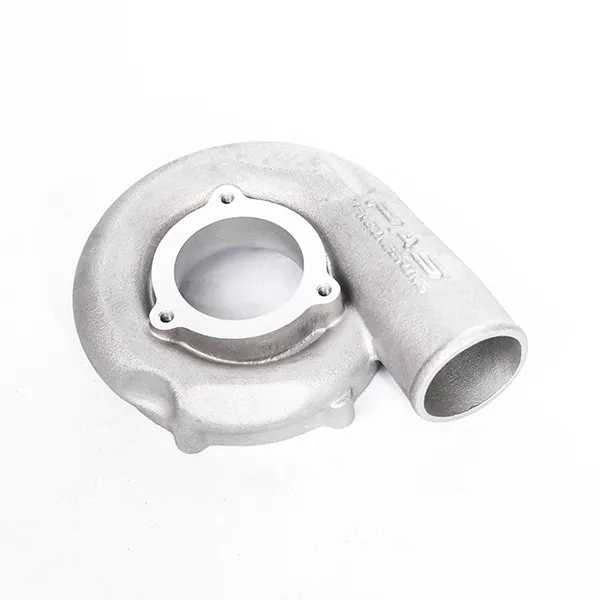
3. Separation of Air and Oil The design of the engine sump enables the separation of air from the oil. This is essential for maintaining the proper density of the oil, as aerated oil can lead to inadequate lubrication and increased wear on engine components.
4. Support Structure The engine sump contributes to the structural integrity of the engine assembly. It helps secure the engine to the vehicle frame, providing stability and alignment for various engine components.
Common Issues with the Engine Sump
Like any mechanical component, the engine sump can experience its share of issues. One common problem is oil leakage, which can result from a faulty gasket or physical damage to the sump itself. Regular inspections are vital to detect leaks early, as low oil levels can lead to severe engine damage.
Another issue is oil contamination, which can occur from debris entering the sump. This can happen if there are cracks or other structural weaknesses in the sump. Contaminated oil can impede the engine's efficiency, leading to increased wear and potentially catastrophic failure.
Maintenance Tips
Regular maintenance of the engine sump is critical for ensuring engine health. Here are a few tips
- Regular Oil Changes Adhering to a strict oil change schedule helps to keep the engine sump clean and reduces the risk of contamination. - Inspect for Leaks Routinely check for signs of oil leaks around the sump and oil filter to ensure everything is functioning properly. - Use Quality Oil Opting for high-quality motor oil can enhance lubrication and reduce the chances of sludge forming in the sump.
Conclusion
The engine sump plays an underrated yet essential role in the performance and longevity of an internal combustion engine. Understanding its functions, maintenance needs, and common issues can empower vehicle owners to take better care of their engines. By paying attention to this critical component, drivers can ensure their engines run smoothly, efficiently, and reliably for years to come. Taking care of the sump is not just about performance; it’s about safeguarding the entire engine system and ensuring that every journey is safe and enjoyable.
-
Choosing an Engine Storage Crate Cover for Material and EnvironmentNewsNov.23,2026
-
Cylinder Head Chamber Buyers: Check the Casting Specification FirstNewsNov.17,2026
-
How Impeller Casting Manufacturers Match Material, Process and EquipmentNewsNov.15,2026
-
Valve body vs. intake air chamber: Which casting fits your assembly?NewsNov.02,2026
-
Air Intake Chamber FAQ: Specifications, Ordering and Support QuestionsNewsOct.28,2026
-
Motorcycle Accessories FAQ: Specifications, Ordering and Support QuestionsNewsOct.24,2026










