English

Mobile:+86-311-8081-2683
Email:info@ydcastings.com
English
end cover
The Importance of End Cover A Comprehensive Overview
In the realm of construction and structural engineering, the term end cover holds significant importance, particularly when discussing the reinforcement of concrete elements. End cover refers to the protective layer of concrete that covers the ends of reinforced steel bars (rebars) within concrete structures. This seemingly straightforward concept has profound implications for the durability and longevity of concrete structures, as well as the safety of the building itself.
Understanding End Cover
End cover serves multiple essential functions. Firstly, it provides protection to the embedded rebar from environmental factors such as moisture, chemicals, and temperature variations. This protective layer prevents corrosion of the steel, which can lead to structural weaknesses over time. When a concrete structure is exposed to aggressive environments—such as marine settings, industrial zones, or areas with high salt exposure—the necessity for adequate end cover becomes even more pronounced.
Secondly, end cover contributes to the overall structural integrity of the concrete element. It helps distribute loads evenly across the rebar, reducing the stress concentrations that can occur at the ends of the bars. This is particularly critical in elements subjected to bending or shear forces, where uneven load distribution can lead to cracking or even catastrophic failure.
Design Specifications and Standards
The amount of end cover required varies depending on a variety of factors, including the type of structure, environmental conditions, and applicable building codes or standards. In many regions, building codes provide specific guidelines outlining the minimum end cover requirements. For instance, in many concrete structures, a common rule of thumb is to provide at least 1.5 inches (around 38 mm) of cover for standard rebar in non-aggressive environments. However, this distance may increase significantly in corrosive or extreme conditions, with some specifications calling for 2 to 3 inches or more.
Engineers must carefully consider these requirements during the design phase. Insufficient end cover can lead to premature corrosion and ultimately compromise the safety of the structure. Conversely, excessive end cover may increase material costs unnecessarily. Striking the right balance is essential for both economic and structural reasons.
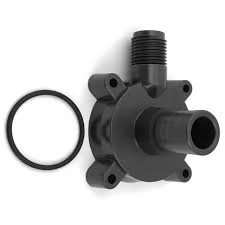
end cover
Construction Practices
Proper construction practices are critical for ensuring that the specified end cover is achieved. This involves meticulous attention to detail during the placement of rebar and the pouring of concrete. Spacers and chairs are often utilized to hold the rebar in its proper position and maintain the required cover. It is imperative that construction crews are well-trained and vigilant in their efforts to achieve the desired end cover.
Moreover, quality control measures should be implemented throughout the construction process. Regular inspections should be conducted to verify that the rebar is adequately covered before the concrete is poured. Any deviations from the established specifications may necessitate corrective actions to avoid compromising the structural integrity of the finished product.
Long-Term Implications
The long-term implications of inadequate end cover cannot be overstated. Structures with insufficient protection for their reinforcement are more prone to corrosion, which can lead to concrete spalling, cracking, and ultimately, structural failure. This not only poses a safety risk but can also result in significant economic costs associated with repairs, maintenance, and potential legal ramifications.
On the other hand, structures that adhere to proper end cover specifications tend to exhibit greater longevity and durability. They can withstand environmental stresses over time, reduce maintenance needs, and ultimately provide a safer living or working environment.
Conclusion
In conclusion, end cover is a pivotal but often overlooked aspect of concrete design and construction. It encapsulates a variety of critical functions that enhance the durability, safety, and integrity of concrete structures. By adhering to established guidelines and employing best practices in construction, engineers and builders can ensure that their structures are not only robust but capable of withstanding the test of time. As the construction industry continues to evolve, maintaining a focus on seemingly small details like end cover will remain essential for the achievement of safe and enduring architectural designs.
-
Choosing an Engine Storage Crate Cover for Material and EnvironmentNewsNov.23,2026
-
Cylinder Head Chamber Buyers: Check the Casting Specification FirstNewsNov.17,2026
-
How Impeller Casting Manufacturers Match Material, Process and EquipmentNewsNov.15,2026
-
Valve body vs. intake air chamber: Which casting fits your assembly?NewsNov.02,2026
-
Air Intake Chamber FAQ: Specifications, Ordering and Support QuestionsNewsOct.28,2026
-
Motorcycle Accessories FAQ: Specifications, Ordering and Support QuestionsNewsOct.24,2026










