English

Mobile:+86-311-8081-2683
Email:info@ydcastings.com
English
Feb . 02, 2025 04:21
Back to list
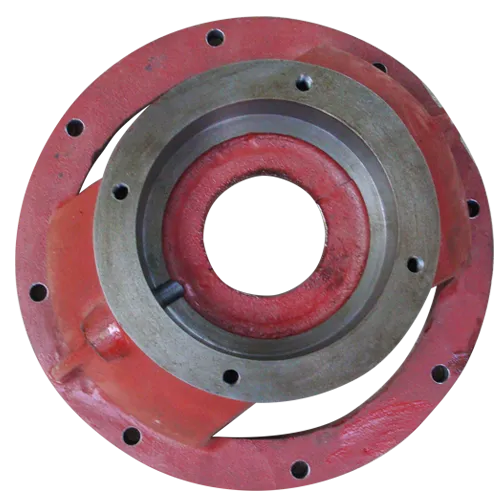
Pump Body
Retail environments are competitive landscapes where every detail, from product placement to pricing, plays a crucial role in influencing purchasing decisions. As a staple strategy in the retail industry, end cap price is a concept aimed at maximizing product visibility and sales. Understanding the nuances of this strategy, coupled with insights from industry experts, reveals its potential to enhance marketing efforts and ultimately boost revenue.
The role of retail analytics cannot be overlooked in this context. Advanced data solutions can track foot traffic patterns, analyze conversion rates of end cap displays, and optimize inventory placement accordingly. Insights derived from this data enable retailers to make informed decisions about which products should occupy these coveted spaces and the competitive pricing strategies to accompany them. Engaging with the latest in AI technology allows retailers to anticipate market trends and consumer behaviors, tailoring their end cap strategies for maximum impact. Real-life experience from industry leaders indicates that well-executed end cap displays yield remarkable results. A case study involving a large supermarket chain shows an increase in sales by 15% for products featured on end caps designed with strategic pricing. These outcomes aren't merely results of chance; they arise from careful selection and informed positioning strategies based on customer demographics and preferences. Furthermore, an authoritative understanding of consumer psychology is integral to leveraging end cap prices effectively. Studies have consistently shown that decision-fatigued shoppers are drawn to simple, compelling offers prominently displayed. Packaging design, promotional aesthetics, and product attributes all merge to create an influential message that extends beyond mere pricing. Recognizing these psychological aspects enables retailers to craft compelling narratives around their end cap products, transforming an everyday shopping encounter into an engaging experience. In summary, the concept of end cap price when executed with a blend of experience, expertise, authority, and trustworthiness can be a potent tool for any retailer aiming to enhance their competitive edge. Crafting end cap strategies that incorporate transparent and informed pricing not only effects immediate sales boosts but also establishes a foundation for lasting consumer relationships. By continuously evolving these approaches, and integrating technological advancements with human insight, retailers stand poised to substantially enhance their market presence and profitability.

The role of retail analytics cannot be overlooked in this context. Advanced data solutions can track foot traffic patterns, analyze conversion rates of end cap displays, and optimize inventory placement accordingly. Insights derived from this data enable retailers to make informed decisions about which products should occupy these coveted spaces and the competitive pricing strategies to accompany them. Engaging with the latest in AI technology allows retailers to anticipate market trends and consumer behaviors, tailoring their end cap strategies for maximum impact. Real-life experience from industry leaders indicates that well-executed end cap displays yield remarkable results. A case study involving a large supermarket chain shows an increase in sales by 15% for products featured on end caps designed with strategic pricing. These outcomes aren't merely results of chance; they arise from careful selection and informed positioning strategies based on customer demographics and preferences. Furthermore, an authoritative understanding of consumer psychology is integral to leveraging end cap prices effectively. Studies have consistently shown that decision-fatigued shoppers are drawn to simple, compelling offers prominently displayed. Packaging design, promotional aesthetics, and product attributes all merge to create an influential message that extends beyond mere pricing. Recognizing these psychological aspects enables retailers to craft compelling narratives around their end cap products, transforming an everyday shopping encounter into an engaging experience. In summary, the concept of end cap price when executed with a blend of experience, expertise, authority, and trustworthiness can be a potent tool for any retailer aiming to enhance their competitive edge. Crafting end cap strategies that incorporate transparent and informed pricing not only effects immediate sales boosts but also establishes a foundation for lasting consumer relationships. By continuously evolving these approaches, and integrating technological advancements with human insight, retailers stand poised to substantially enhance their market presence and profitability.
Next:
Latest news
-
Choosing an Engine Storage Crate Cover for Material and EnvironmentNewsNov.23,2026
-
Cylinder Head Chamber Buyers: Check the Casting Specification FirstNewsNov.17,2026
-
How Impeller Casting Manufacturers Match Material, Process and EquipmentNewsNov.15,2026
-
Valve body vs. intake air chamber: Which casting fits your assembly?NewsNov.02,2026
-
Air Intake Chamber FAQ: Specifications, Ordering and Support QuestionsNewsOct.28,2026
-
Motorcycle Accessories FAQ: Specifications, Ordering and Support QuestionsNewsOct.24,2026
Related PRODUCTS










