English

Mobile:+86-311-8081-2683
Email:info@ydcastings.com
English
Exploring End Cap Solutions for Enhanced Product Presentation and Efficiency
Understanding the Importance of End Caps in Product Packaging
In today’s competitive market, the presentation and protection of products are as crucial as the products themselves. Among the various components that contribute to effective product packaging, end caps play a vital role. Although often overlooked, end caps can significantly enhance the customer experience, protect the product, and contribute to brand identity. This article will explore the significance of end caps, their various types, and how they can influence both consumer behavior and packaging efficiency.
What are End Caps?
End caps, as the name suggests, are protective covers placed at the ends of packaging materials, particularly in tubular or cylindrical packaging. They serve multiple purposes, from safeguarding the contents to enhancing the aesthetic appeal of the package. End caps can be made from various materials, including plastic, metal, and cardboard, depending on the nature of the product and the intended market.
Protective Functionality
One of the primary functions of end caps is protection. In transit, products are often subject to shocks, bumps, and environmental factors that can compromise their integrity. End caps act as a barrier, shielding the product from physical damage and contamination. For example, in the case of glass containers, end caps can prevent breakage during delivery. Similarly, end caps can keep out moisture, dust, or pests that might compromise the product's quality.
Enhancing Branding and Visual Appeal
Apart from their protective role, end caps also serve an essential purpose in branding. The packaging is often the first point of contact between the consumer and the brand. Therefore, incorporating distinct colors, logos, and designs on end caps can enhance brand visibility and recognition. A well-designed end cap can attract attention on the shelves and communicate a brand’s values and identity. For example, eco-friendly products can utilize sustainable materials for end caps, appealing to environmentally conscious consumers.
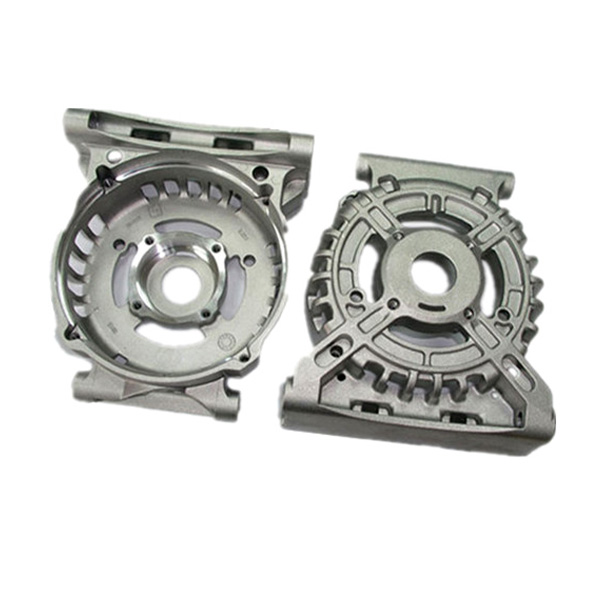
end cap 2
Variety of Types
There are various types of end caps catering to different products and needs. For instance, screw-on end caps are common for bottles and tubes, providing a tight seal to maintain product freshness. Snap-on end caps are popular in packaging cosmetics or pharmaceuticals, offering ease of use. Additionally, custom shapes can be designed to fit specific product dimensions, ensuring a snug fit that prevents any movement within the packaging.
Cost-Effectiveness
From a business standpoint, the use of end caps can be cost-effective. By providing additional protection, end caps can reduce the likelihood of returns and damages caused during shipping. This not only saves money in terms of replacing damaged goods but also enhances customer satisfaction. When consumers receive products in pristine condition, they are more likely to return for future purchases and recommend the brand to others.
Sustainability Considerations
As the world moves towards more sustainable practices, the choice of materials for end caps is increasingly important. Brands are now exploring options that minimize environmental impact, such as recyclable or biodegradable materials. Adopting sustainable packaging solutions can not only attract eco-conscious consumers but also align with global efforts to combat climate change.
Conclusion
In conclusion, end caps may appear to be a small component of product packaging, but they play an integral role in protecting products, enhancing brand visibility, and improving customer experience. By considering the type of end cap that best suits their product and brand values, businesses can leverage this often-overlooked aspect of packaging to their advantage. In a market where every detail matters, investing in the right end cap can lead to greater brand loyalty and overall success. As packaging continues to evolve, so too will the role of end caps in ensuring that products not only reach consumers safely but also resonate with them on a personal and emotional level.
-
Choosing an Engine Storage Crate Cover for Material and EnvironmentNewsNov.23,2026
-
Cylinder Head Chamber Buyers: Check the Casting Specification FirstNewsNov.17,2026
-
How Impeller Casting Manufacturers Match Material, Process and EquipmentNewsNov.15,2026
-
Valve body vs. intake air chamber: Which casting fits your assembly?NewsNov.02,2026
-
Air Intake Chamber FAQ: Specifications, Ordering and Support QuestionsNewsOct.28,2026
-
Motorcycle Accessories FAQ: Specifications, Ordering and Support QuestionsNewsOct.24,2026










