English

Mobile:+86-311-808-126-83
Email:info@ydcastings.com
English
end cap for waste pipe
Understanding End Caps for Waste Pipes
In plumbing and drainage systems, the effective management of waste is crucial for both residential and commercial properties. One key component in these systems is the end cap for waste pipes. This often-overlooked piece of equipment plays a significant role in ensuring that waste pipes function effectively while maintaining the integrity of plumbing systems.
What is an End Cap?
An end cap is a fitting used to close off the end of a waste pipe. Typically constructed from materials like PVC, ABS, or metal, these caps are designed to provide a tight seal, preventing leakage and intrusion of foreign objects into the pipe system. By capping off unused or abandoned waste lines, end caps help maintain a clean and efficient drainage system.
Importance of End Caps in Waste Management
1. Leak Prevention One of the primary functions of an end cap is to prevent leaks in plumbing systems. Without proper capping, waste materials may escape from the pipe, leading to potential health hazards, water damage, and costly repairs. An end cap ensures that the system operates smoothly and without unintended discharges.
2. Odor Control An unsealed waste pipe can become a source of unpleasant odors, as gases from decomposing waste can escape into living spaces. End caps effectively seal these pipes, helping to contain these odors and contribute to a healthier indoor environment.
3. Pest Prevention Capping waste pipes can also deter pests and rodents. Small animals may take advantage of open pipes as routes into buildings, but a well-fitted end cap acts as a barrier, keeping unwanted pests at bay.
end cap for waste pipe
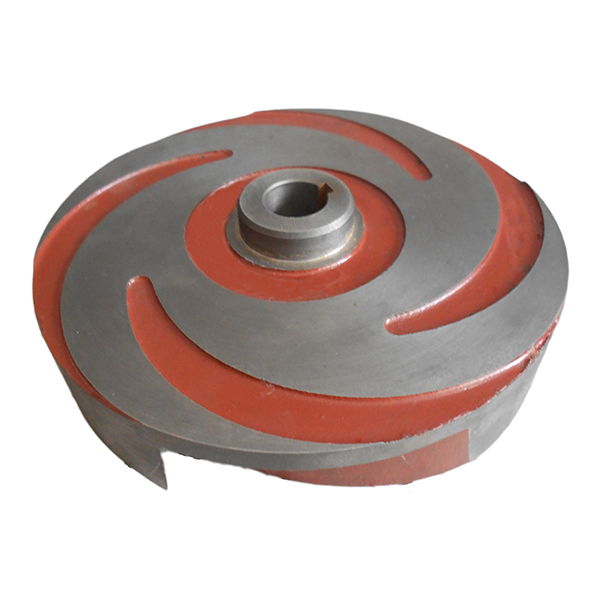
4. System Maintenance End caps facilitate easier maintenance of plumbing systems. When a pipe is capped, it can often be isolated during repairs or inspections, allowing plumbers to focus on particular sections of the system without having to drain or disrupt the entire network.
Choosing the Right End Cap
Selecting the right end cap depends on several factors, including the type of pipe, the nature of the waste, and environmental considerations. It is essential to choose materials that match the existing plumbing system—PVC caps for PVC pipes, for example. Additionally, it’s crucial to use caps rated for the specific application, as some may need to withstand higher pressures or temperatures.
Installation Tips
Installing an end cap is generally straightforward. Ensure that the pipe's end is clean and free from debris before applying any solvent glue or threading compound if required. Proper alignment and a secure fit are essential to ensure that the cap stays in place and provides an effective seal. For those less familiar with plumbing systems, consulting with a professional may be advisable to ensure a correct installation.
Conclusion
In summary, end caps for waste pipes are vital components that serve numerous functions, from preventing leaks and odors to deterring pests and assisting with maintenance. Proper selection and installation of these fittings can significantly enhance the performance and longevity of plumbing systems. By understanding the importance of end caps, property owners and managers can ensure their waste management systems remain efficient and effective.
-
Precision Valve Castings for Agricultural Irrigation and Fluid Control SystemsNewsMay.08,2026
-
Precision Impeller and Compressor Components for Agricultural MachineryNewsMay.08,2026
-
Essential Cast Components for Agricultural Machinery: Oil Management and Motor ProtectionNewsMay.08,2026
-
High-Performance Cast Components for Agricultural Machinery: From Cooling to Exhaust SystemsNewsMay.08,2026
-
Agricultural Valve Castings: Durable Flow Control Solutions for Farm Irrigation SystemsNewsMay.08,2026
-
High-Performance Agricultural Pump Components: Precision Castings for Reliable Farm OperationsNewsMay.08,2026