English

Mobile:+86-311-8081-2683
Email:info@ydcastings.com
English
electric water pump for automotive applications
Electric Water Pump for Automotive Applications
In the automotive industry, the quest for improved efficiency, performance, and sustainability has driven the evolution of various components, among which the electric water pump is emerging as a critical technology. Traditionally, water pumps in vehicles have been mechanically driven, often relying on the engine's belt drive system to circulate coolant and regulate engine temperature. However, the shift towards electrification in vehicles—such as the rise of hybrid and electric vehicles—has prompted a reevaluation of conventional components, paving the way for the electric water pump to play a pivotal role in modern automotive applications.
Advantages of Electric Water Pumps
One of the primary benefits of electric water pumps is their ability to operate independently of the engine’s mechanical system. This independence allows for more precise control over coolant flow, which can enhance engine performance and efficiency. By adjusting the pump’s operation based on real-time temperature data, manufacturers can significantly reduce energy waste associated with engine cooling. This leads to an improvement in overall thermal management in vehicles, particularly in stop-and-go traffic where engine temperatures can fluctuate rapidly.
Electric water pumps also contribute to weight reduction in vehicles. Traditional mechanical pumps are typically heavier due to their robust construction to withstand the forces generated by the engine. In contrast, electric water pumps are generally lighter, which can aid in improving the overall power-to-weight ratio of a vehicle. This is especially critical in electric and hybrid vehicles, where every kilogram matters for optimizing battery efficiency and overall range.
Integration with Hybrid and Electric Vehicles
The integration of electric water pumps is particularly valuable in hybrid and electric vehicles (HEVs and EVs), where cooling requirements for the battery and electric motor differ from those of a conventional internal combustion engine. Electric water pumps can be strategically placed to manage the cooling of various components, enabling better thermal management across the vehicle. This capability is essential for maintaining optimal operating temperatures, prolonging the lifespan of critical components such as batteries.
electric water pump for automotive applications
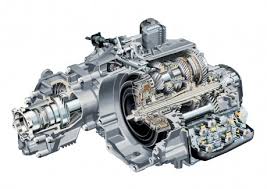
Furthermore, as HEVs and EVs often have multiple thermal management requirements, the ability of electric water pumps to operate autonomously and in conjunction with other systems presents a significant advantage. They can be used to regulate cooling during charging cycles, ensuring that batteries do not overheat and that thermal conditions are maintained within safe parameters.
Challenges and Considerations
Despite their advantages, the adoption of electric water pumps isn't without challenges. The integration of electric pumps into existing vehicle architectures necessitates careful consideration of the vehicle's electrical system. Electric pumps require reliable power supply arrangements and robust control systems to function efficiently. Any failure in the pump or its electronic controls could lead to overheating of the engine or electric components, which emphasizes the necessity for rigorous testing and quality control during the design and manufacturing processes.
Another consideration is the cost. While the price of electric water pumps has been decreasing due to advancements in technology and manufacturing processes, they still represent a higher upfront investment compared to traditional mechanical pumps. However, the cost can often be justified by the increased efficiency, performance benefits, and potential fuel savings over the lifespan of modern vehicles.
Conclusion
As the automotive industry continues to evolve towards greater electrification and sustainability, the electric water pump stands out as a crucial component in enhancing vehicle performance, efficiency, and longevity. Its ability to independently control cooling systems aligns well with the needs of hybrid and electric vehicles, contributing to optimized thermal management. While challenges remain in terms of integration and cost, the benefits of electric water pumps are pushing them to the forefront of automotive innovation. As manufacturers and engineers work collaboratively to address these challenges, the electric water pump is likely to play a growing role in the future of automotive design, helping to shape a more efficient and environmentally friendly automotive landscape.
-
Choosing an Engine Storage Crate Cover for Material and EnvironmentNewsNov.23,2026
-
Cylinder Head Chamber Buyers: Check the Casting Specification FirstNewsNov.17,2026
-
How Impeller Casting Manufacturers Match Material, Process and EquipmentNewsNov.15,2026
-
Valve body vs. intake air chamber: Which casting fits your assembly?NewsNov.02,2026
-
Air Intake Chamber FAQ: Specifications, Ordering and Support QuestionsNewsOct.28,2026
-
Motorcycle Accessories FAQ: Specifications, Ordering and Support QuestionsNewsOct.24,2026










