English

Mobile:+86-311-8081-2683
Email:info@ydcastings.com
English
Electric Water Pumps for Automotive Use Efficient Cooling Solutions for Vehicles
Electric Water Pump for Automotive Applications A Revolution in Cooling Technology
As the automotive industry continues to evolve, the demand for more efficient and reliable components has never been greater. One of the crucial elements that has seen significant advancements in recent years is the water pump. Specifically, electric water pumps are becoming increasingly popular in automotive applications, thanks to their numerous advantages over traditional mechanical water pumps.
What is an Electric Water Pump?
An electric water pump is a device that circulates coolant through the engine and radiator, using an electric motor rather than mechanical means. In traditional systems, the water pump is driven by the engine’s crankshaft via a belt or chain, which can lead to inefficiencies and increased fuel consumption. Electric water pumps, on the other hand, operate independently, allowing for better control and improved performance.
Advantages of Electric Water Pumps
1. Efficiency Electric water pumps improve the overall thermal efficiency of an engine. They can be activated based on the engine’s temperature, which means they only work when needed. This leads to less energy waste and better fuel efficiency.
2. Compact Design Electric water pumps are generally smaller and lighter than their mechanical counterparts. This can contribute to a reduction in overall vehicle weight and allow for more efficient use of space within the engine bay.
3. Enhanced Performance With electric pumps, coolant flow can be precisely controlled. This capability helps in maintaining optimal engine temperatures under varying conditions and loads. In high-performance vehicles, precise temperature management is crucial for maintaining power and efficiency.
4. Reduced Emissions By optimizing engine temperature control, electric water pumps can indirectly contribute to lower emissions. Efficient thermal management leads to better combustion and minimizes unburned fuel, which helps in meeting stringent environmental regulations.
5. Less Wear on Engine Components Because electric water pumps do not rely on belt-driven systems, there is less strain on the engine. This reduced mechanical link decreases wear and tear on associated components, potentially extending their lifespan and lowering maintenance costs.
electric water pump for automotive applications
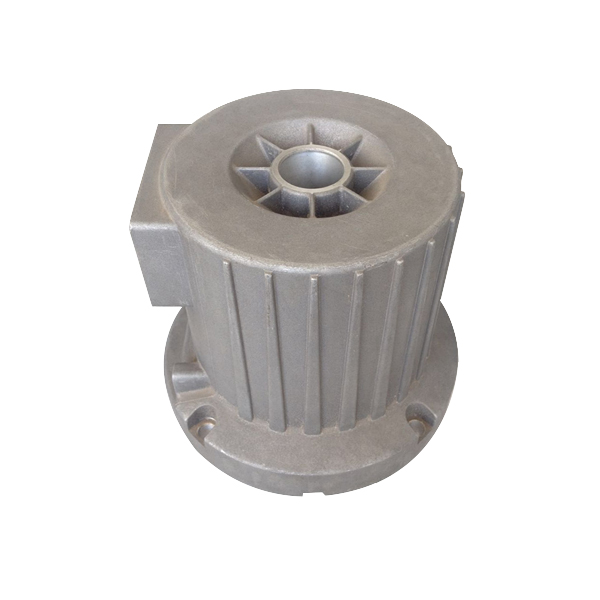
6. Quiet Operation Electric water pumps are typically quieter than mechanical pumps. In today’s automotive market, where noise reduction is a priority, this characteristic can greatly enhance the overall driving experience.
Applications in Modern Vehicles
Electric water pumps are increasingly found in a variety of automotive applications, notably in hybrid and electric vehicles (EVs). These vehicles require sophisticated thermal management systems due to their unique operating conditions. For instance, electric water pumps play a pivotal role in cooling battery packs, ensuring optimal performance and safety.
Additionally, turbocharged engines – which are becoming more common in modern vehicles – benefit greatly from the use of electric water pumps. These engines can experience rapid temperature fluctuations, necessitating quick and efficient adjustments to coolant flow.
Challenges and Considerations
While electric water pumps offer numerous benefits, they are not without challenges. For instance, the reliance on electrical systems means that any failure in electrical components could compromise the cooling system, leading to potential engine damage. Therefore, robust designs and fail-safe mechanisms are necessary to ensure reliability.
Moreover, the initial cost of electric water pumps can be higher than that of traditional models. However, the long-term savings achieved through increased fuel efficiency and reduced maintenance often offset these initial costs.
Conclusion
In conclusion, electric water pumps are transforming the landscape of automotive cooling systems. With their enhanced efficiency, compact design, and ability to optimize engine performance, they represent a significant advancement over traditional mechanical pumps. As the automotive industry moves towards more sustainable and efficient technologies, electric water pumps will undoubtedly play a crucial role in shaping the future of vehicle design and operation. Their integration into modern vehicles not only reflects the industry’s drive for innovation but also marks a step towards a more sustainable automotive ecosystem. As technology continues to evolve, we can expect electric water pumps to become standard in vehicles, offering both performance gains and environmental benefits.
-
Choosing an Engine Storage Crate Cover for Material and EnvironmentNewsNov.23,2026
-
Cylinder Head Chamber Buyers: Check the Casting Specification FirstNewsNov.17,2026
-
How Impeller Casting Manufacturers Match Material, Process and EquipmentNewsNov.15,2026
-
Valve body vs. intake air chamber: Which casting fits your assembly?NewsNov.02,2026
-
Air Intake Chamber FAQ: Specifications, Ordering and Support QuestionsNewsOct.28,2026
-
Motorcycle Accessories FAQ: Specifications, Ordering and Support QuestionsNewsOct.24,2026










