English

Mobile:+86-311-8081-2683
Email:info@ydcastings.com
English
electric vehicle water pump
The Role of Water Pumps in Electric Vehicles An Integral Component for Efficiency
As electric vehicles (EVs) continue to gain traction in the automotive market, understanding the essential components that contribute to their performance becomes increasingly relevant. One such component that often goes unnoticed is the water pump. This remarkable little device plays a crucial role in maintaining the vehicle's overall efficiency and safety.
Electric vehicles, unlike their internal combustion counterparts, rely on electric motors and battery systems to operate. While this shift towards electrification offers numerous benefits such as reduced emissions and lower fuel costs, it also presents unique challenges. Among these is the management of excess heat generated by the vehicle's electric components and the thermal management of the battery pack. This is where water pumps come into play.
The Role of Water Pumps in Electric Vehicles An Integral Component for Efficiency
The functionality of a water pump in an electric vehicle extends beyond just cooling the battery. It also plays a key role in regulating the temperature of the power electronics, which include the inverter and converter. These components manage the flow of electricity between the battery and the motor. By keeping these systems cool, the water pump helps to prevent thermal runaway, a condition that can lead to fires and other serious hazards.
electric vehicle water pump
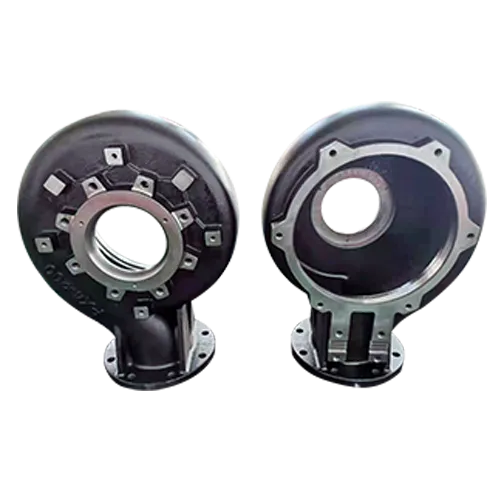
In addition to safety and efficiency, the use of water pumps in EVs also relates to performance. As an EV accelerates, the demand for power increases, which can raise temperatures in the vehicle’s system. A well-functioning water pump ensures that heat is dissipated effectively, allowing the electric motor to perform optimally. This is particularly important in high-performance electric vehicles, where quick acceleration and high speeds can lead to significant heat generation.
Modern water pumps utilized in electric vehicles have evolved significantly over the years. Traditionally, these pumps were driven mechanically through the engine's belt system. However, with the shift to electric powertrains, many EVs now feature electric water pumps. These pumps can be controlled more precisely, allowing for variable flow rates based on the specific cooling needs at any given moment. This not only enhances efficiency but also reduces energy consumption, which is a critical factor for maximizing the driving range of an electric vehicle.
Furthermore, advancements in technology have led to the development of smart sensors that can monitor temperature and flow rates in real-time. This data can be used to optimize the operation of the water pump, reducing wear and tear, and improving the overall reliability of the vehicle's cooling system.
In conclusion, the water pump is a vital component of electric vehicles that contributes to their efficiency, performance, and safety. As the automotive industry continues to transition towards electrification, the significance of such components will only grow. Innovations in design and technology are poised to make water pumps even more effective, ensuring that our electric vehicles remain cool, efficient, and ready to meet the challenges of the road ahead. As we embrace a future dominated by electric mobility, understanding and appreciating the intricate systems that enable such vehicles is essential. The humble water pump, often overlooked, stands as a testament to the complexity and advancement of modern automotive engineering.
-
Choosing an Engine Storage Crate Cover for Material and EnvironmentNewsNov.23,2026
-
Cylinder Head Chamber Buyers: Check the Casting Specification FirstNewsNov.17,2026
-
How Impeller Casting Manufacturers Match Material, Process and EquipmentNewsNov.15,2026
-
Valve body vs. intake air chamber: Which casting fits your assembly?NewsNov.02,2026
-
Air Intake Chamber FAQ: Specifications, Ordering and Support QuestionsNewsOct.28,2026
-
Motorcycle Accessories FAQ: Specifications, Ordering and Support QuestionsNewsOct.24,2026










