English

Mobile:+86-311-808-126-83
Email:info@ydcastings.com
English
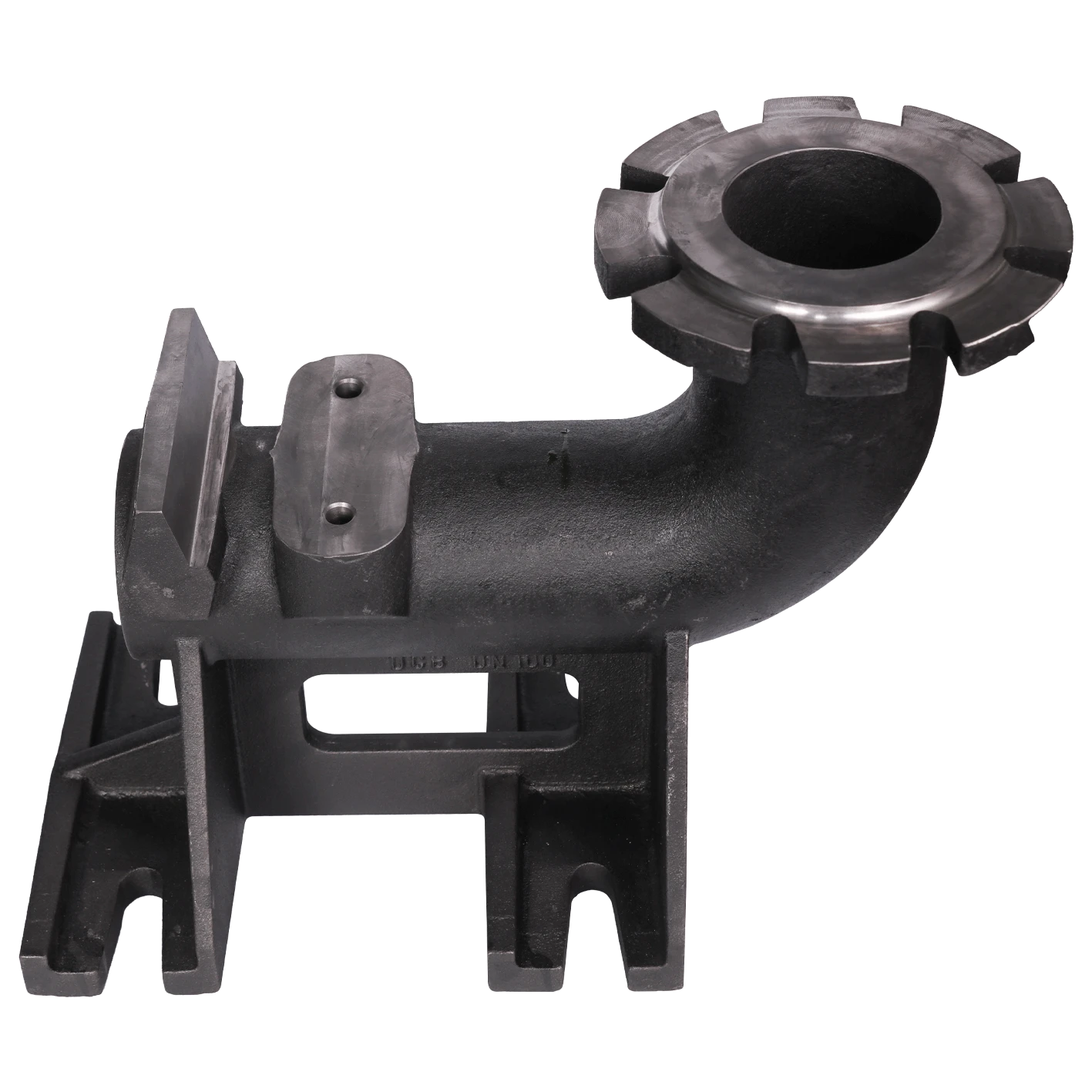
Durable S400 exhaust housing - quality castings by YD Castings
Understanding the S400 exhaust housing: A Veteran’s Perspective
Having clocked a good number of years in the industrial equipment world, I’ve come across many components that either quietly do their job or unexpectedly shape an entire machine’s performance. The S400 exhaust housing sits somewhere in that second category. Frankly, it’s one of those parts that might not get a lot of spotlight but is absolutely critical when you consider reliability and efficiency.
Oddly enough, the exhaust housing hears little fanfare yet faces some of the harshest conditions – think high temperatures, corrosive exhaust gases, and relentless vibration. It feels like the unsung hero of turbocharger assemblies, and for good reason. In real terms, the S400 exhaust housing plays a vital role in directing exhaust gases efficiently, which is key to maintaining power output and controlling emissions.
Material and Design Insights
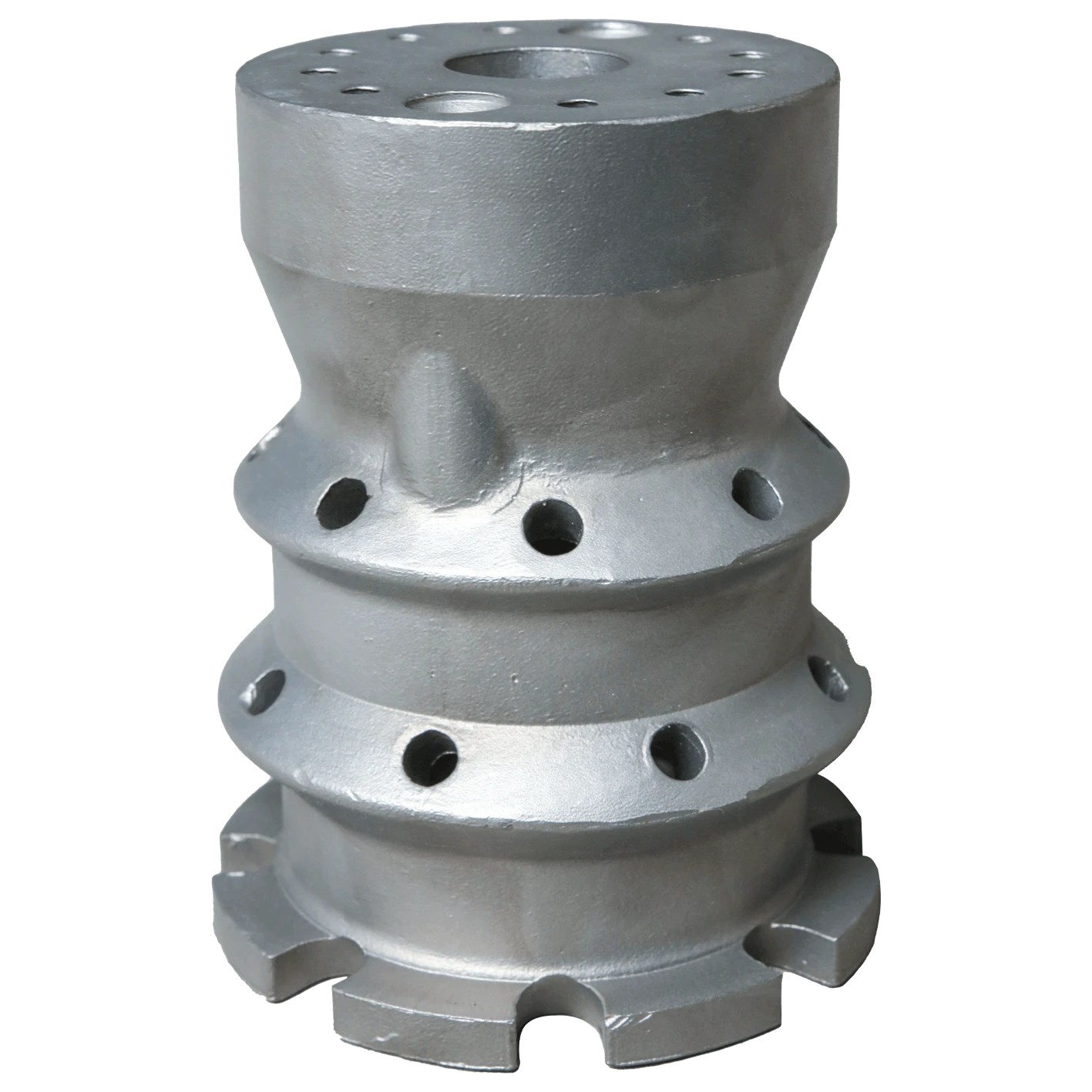
Most S400 exhaust housings I’ve worked with are crafted from high-grade cast iron alloys — typically something like high-chrome cast iron due to its exceptional resistance to thermal fatigue and corrosion. I noticed that many engineers swear by this choice, given the constant exposure to rapid heating and cooling cycles.
What really catches my attention with the S400 housing design is how manufacturers tailor the turbine inlet geometry to reduce backpressure and improve flow distribution. It’s sort of a delicate balance, because too aggressive a design can cause cracking or premature wear. Many manufacturers customize the housing thickness and even integrate reinforced ribs to boost durability without adding unnecessary weight.
Product Specifications at a Glance
| Specification | Detail |
|---|---|
| Material | High-chrome Cast Iron (ASTM A532 Type I) |
| Weight | Approx. 5.2 - 6.0 kg |
| Operating Temperature | Up to 950°C (1742°F) |
| Coating | Ceramic heat shield (optional) |
| Customization | Available on request (dimensions, mounting) |
Comparing Top Vendors of S400 Exhaust Housing
Just between you and me, I’ve noticed a few notable differences when sourcing the S400 exhaust housing from various suppliers — beyond price, quality and turnaround times matter a great deal. Here’s a quick comparison:
| Vendor | Material Quality | Lead Time | Customization Options | Warranty |
|---|---|---|---|---|
| YD Castings | High-chrome cast iron, ISO certified | 4-6 weeks | Fully customizable | 12 months |
| Vendor B | Standard cast iron grade | 3-5 weeks | Limited | 6 months |
| Vendor C | High-chrome, less consistent QA | 5-7 weeks | Moderate | 9 months |
A Quick Anecdote from the Field
Once, on a rather tight turnaround, a client needed S400 exhaust housings with some dimension tweaks to fit a newer turbo model. Our partner at YD Castings stepped in and managed to deliver not just the customized housing but with detailed testing reports on material integrity. The relief in that client’s voice last I heard? Priceless. It’s those kinds of service nuances that make all the difference when you’re battling production deadlines.
Wrapping It Up
To sum it all up, the S400 exhaust housing isn’t just a cast piece of metal; it’s engineered for endurance amid demanding conditions. Choosing a manufacturer with solid experience and a dedication to quality, like YD Castings, really pays off in the long run. If you ask me, investing in a robust, well-crafted exhaust housing isn’t just about the present—it's a pledge to your equipment’s future performance and reliability.
— Remember, the right component can turn a good machine into a great one.
References
- ASTM A532 Standard Specification for Abrasion-Resistant Cast Irons
- “Turbocharger Exhaust Housing Materials and Design” – Industrial Casting Review, 2022
- Personal field notes and client feedback (2015–2023)
-
Precision Valve Castings for Agricultural Irrigation and Fluid Control SystemsNewsMay.08,2026
-
Precision Impeller and Compressor Components for Agricultural MachineryNewsMay.08,2026
-
Essential Cast Components for Agricultural Machinery: Oil Management and Motor ProtectionNewsMay.08,2026
-
High-Performance Cast Components for Agricultural Machinery: From Cooling to Exhaust SystemsNewsMay.08,2026
-
Agricultural Valve Castings: Durable Flow Control Solutions for Farm Irrigation SystemsNewsMay.08,2026
-
High-Performance Agricultural Pump Components: Precision Castings for Reliable Farm OperationsNewsMay.08,2026