English

Mobile:+86-311-8081-2683
Email:info@ydcastings.com
English
Feb . 14, 2025 06:28
Back to list
cap ends
The world of automotive maintenance introduces thousands of components and accessories each year, some gaining more spotlight than others. The downpipe blanking cap, while essential for certain applications, often flies under the radar compared to more glamorous counterparts. However, understanding its pivotal role can significantly enhance a vehicle's performance, making it an intriguing subject for any automotive enthusiast or mechanic looking to delve deeper into niche products.
Authoritativeness in this domain is grounded in the knowledge of how these seemingly minor components interact within the larger system. Discussions with certified mechanics reveal that the failure to properly blank off areas in the exhaust system can lead to a drop in back pressure. This is critical - excessive variation in back pressure can strain turbochargers, leading to inefficiencies and heightened wear and tear. Thus, the strategic deployment of a downpipe blanking cap becomes a tactical move not just for maintenance, but for long-term preservation of engine health. Trustworthiness around downpipe blanking caps can be established through consistent product testing and user testimonials. Automotive forums often become a hotbed for sharing experiences and insights where seasoned users guide novices about effective use, including troubleshooting potential leaks or identifying the best fitting materials for specific car models. Trust is further cemented by brands that allow third-party testing, demonstrating transparency in performance claims and longevity. Understanding the ecosystem in which downpipe blanking caps operate illustrates that they are far from just another piece in the exhaustive list of automotive parts. They serve critical roles in enhancing vehicle safety, improving automobile performance, and ensuring regulatory compliance by minimizing emissions. Their reliable performance is not shrouded in uncertainty but is instead supported by mechanical theory and empirical evidence. For automotive enthusiasts looking to enter the realm of professional vehicle modification or maintenance, recognizing the significance of these components is fundamental. The journey often begins with acknowledging that success often lies in the mastery of the minutiae - ensuring that every single component, no matter how small, contributes to the balanced symphony of an optimally performing vehicle. The humble downpipe blanking cap is one such unsung hero, silently asserting its essential presence with every rev of the engine.
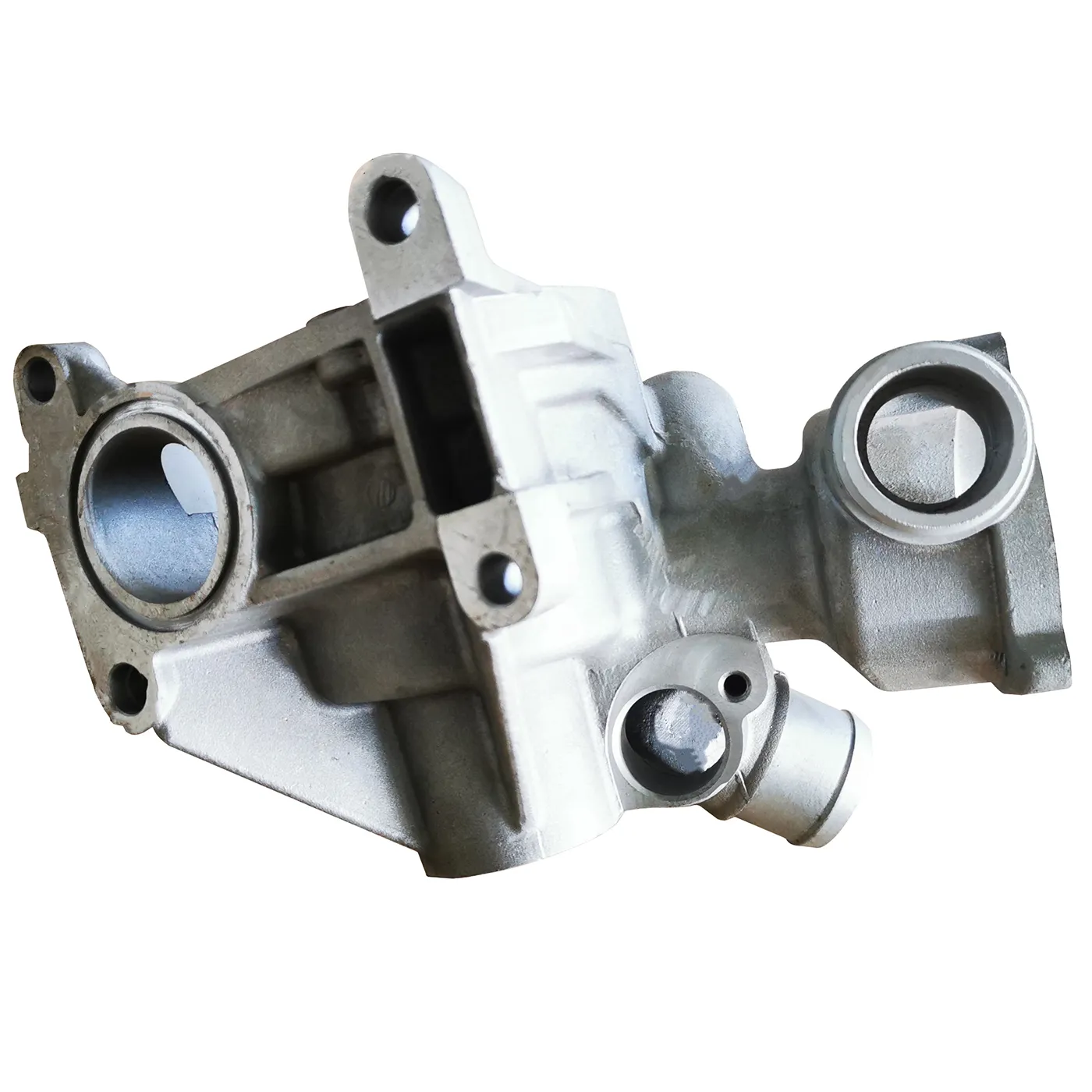
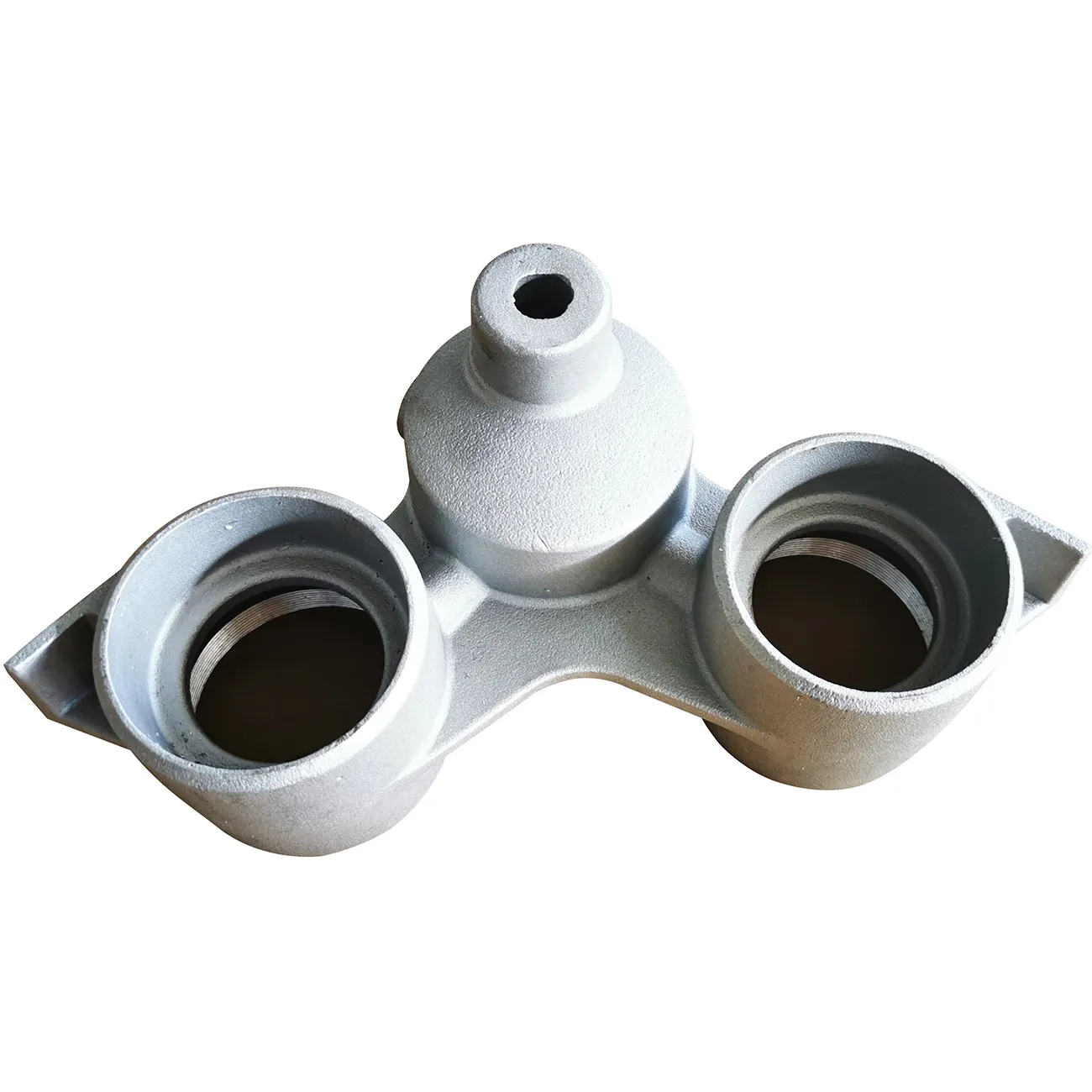
Authoritativeness in this domain is grounded in the knowledge of how these seemingly minor components interact within the larger system. Discussions with certified mechanics reveal that the failure to properly blank off areas in the exhaust system can lead to a drop in back pressure. This is critical - excessive variation in back pressure can strain turbochargers, leading to inefficiencies and heightened wear and tear. Thus, the strategic deployment of a downpipe blanking cap becomes a tactical move not just for maintenance, but for long-term preservation of engine health. Trustworthiness around downpipe blanking caps can be established through consistent product testing and user testimonials. Automotive forums often become a hotbed for sharing experiences and insights where seasoned users guide novices about effective use, including troubleshooting potential leaks or identifying the best fitting materials for specific car models. Trust is further cemented by brands that allow third-party testing, demonstrating transparency in performance claims and longevity. Understanding the ecosystem in which downpipe blanking caps operate illustrates that they are far from just another piece in the exhaustive list of automotive parts. They serve critical roles in enhancing vehicle safety, improving automobile performance, and ensuring regulatory compliance by minimizing emissions. Their reliable performance is not shrouded in uncertainty but is instead supported by mechanical theory and empirical evidence. For automotive enthusiasts looking to enter the realm of professional vehicle modification or maintenance, recognizing the significance of these components is fundamental. The journey often begins with acknowledging that success often lies in the mastery of the minutiae - ensuring that every single component, no matter how small, contributes to the balanced symphony of an optimally performing vehicle. The humble downpipe blanking cap is one such unsung hero, silently asserting its essential presence with every rev of the engine.
Next:
Latest news
-
Choosing an Engine Storage Crate Cover for Material and EnvironmentNewsNov.23,2026
-
Cylinder Head Chamber Buyers: Check the Casting Specification FirstNewsNov.17,2026
-
How Impeller Casting Manufacturers Match Material, Process and EquipmentNewsNov.15,2026
-
Valve body vs. intake air chamber: Which casting fits your assembly?NewsNov.02,2026
-
Air Intake Chamber FAQ: Specifications, Ordering and Support QuestionsNewsOct.28,2026
-
Motorcycle Accessories FAQ: Specifications, Ordering and Support QuestionsNewsOct.24,2026
Related PRODUCTS










