English

Mobile:+86-311-8081-2683
Email:info@ydcastings.com
English
Design and Analysis of Double Volute Casing for Efficient Pump Performance
Understanding Double Volute Casing in Pump Design
In the realm of hydraulic engineering, pump performance is critical to the efficiency of various industrial applications. One of the pivotal components influencing this performance is the casing, particularly the double volute casing design. This innovative casing configuration plays a significant role in ensuring that pumps operate smoothly and efficiently, minimizing vibrations and maximizing flow stability.
What is Double Volute Casing?
The term volute refers to a spiral-like structure that gradually expands in cross-section. In pumps, especially centrifugal pumps, the volute casing is designed to convert the kinetic energy of the fluid discharged by the impeller into pressure energy. In a double volute casing, there are two connected volute chambers instead of one. Each volute chamber has an outlet that leads to the pump's discharge, and this dual-channel design helps in achieving a more uniform hydraulic profile.
Advantages of Double Volute Casing
1. Reduced Radial Thrust One of the significant benefits of a double volute casing is the reduction of radial thrust, which is the axial load exerted on the pump shaft due to the fluid's pressure distribution. In a traditional single volute design, the pressure can be unbalanced, leading to excessive radial forces that can strain the mechanical components and reduce lifespans. The double volute design counters this by allowing balance in pressure distribution, thereby lessening the radial forces acting on the impeller.
2. Improved Efficiency By providing a more balanced flow path, double volute casings enhance the overall efficiency of pumps. Improved efficiency translates to energy savings and better performance in applications where precision and reliability are essential.
3. Lower Vibration Levels Pumps using double volute casings experience reduced vibration levels due to improved balance. Vibrations can contribute to wear and tear on pump components, increase maintenance costs, and lead to premature failures. The controlled flow and minimized radial forces enable a smoother operation, reducing the likelihood of vibrations.
double volute casing
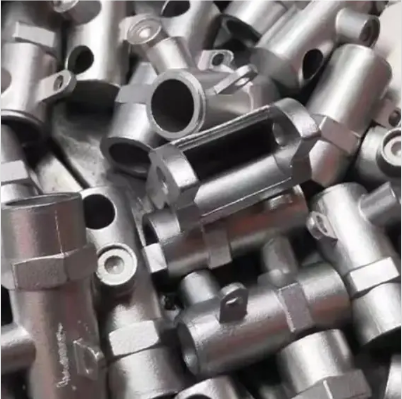
4. Better Flow Conditions When it comes to maintaining constant flow rates, double volute casings outperform their single volute counterparts. The dual passages ensure that the fluid's velocity remains consistent as it exits the pump, minimizing issues related to surging or sudden changes in flow that can disrupt processes downstream.
Applications
Double volute casings find applications in various industries, including water and wastewater treatment, chemical processing, and HVAC systems. Their ability to handle fluctuations in flow demands makes them ideal for scenarios where fluid characteristics change frequently, such as irrigation systems and flood control.
Considerations for Implementation
While double volute casings offer numerous advantages, they are typically more complex to manufacture than single volute designs. This complexity can lead to higher initial costs, which organizations need to consider when selecting pump designs. Furthermore, careful attention must be paid to the overall system design to ensure compatibility with other components and optimize performance.
Conclusion
In summary, double volute casings represent a significant advancement in pump design that addresses many challenges faced in pumping applications. With benefits like reduced radial thrust, increased efficiency, lower vibration levels, and improved flow stability, they are a valuable option for engineers and designers aiming to enhance the performance of centrifugal pumps. As industries continue to evolve and demand more from their pumping systems, the role of innovative designs like the double volute casing will undoubtedly become more prominent, pushing the boundaries of what is possible in hydraulic engineering.
-
Choosing an Engine Storage Crate Cover for Material and EnvironmentNewsNov.23,2026
-
Cylinder Head Chamber Buyers: Check the Casting Specification FirstNewsNov.17,2026
-
How Impeller Casting Manufacturers Match Material, Process and EquipmentNewsNov.15,2026
-
Valve body vs. intake air chamber: Which casting fits your assembly?NewsNov.02,2026
-
Air Intake Chamber FAQ: Specifications, Ordering and Support QuestionsNewsOct.28,2026
-
Motorcycle Accessories FAQ: Specifications, Ordering and Support QuestionsNewsOct.24,2026










