English

Mobile:+86-311-8081-2683
Email:info@ydcastings.com
English
Feb . 16, 2025 04:00
Back to list
domed weld on pipe caps
Navigating the landscape of piping systems involves careful selection of components that will ensure the longevity, safety, and efficiency of the infrastructure. Among various essential components, domed weld-on pipe caps play a pivotal role in sealing the ends of pipes, providing both physical and environmental protection. This article discusses the importance, applications, and advantages of utilizing domed weld-on pipe caps, while highlighting the expertise required to effectively employ and maintain these components.
Installation and maintenance of domed weld-on pipe caps also require authoritative oversight to ensure compliance with industry regulations and safety standards. Regular inspection regimes should be established to monitor the condition of the caps, especially in high-stakes sectors like oil and gas. Inspections should focus on detecting signs of wear, corrosion, or structural anomalies that could indicate potential failure. Authoritative bodies and industry standards often provide guidelines that dictate the frequency and methodology of these inspections, ensuring that the caps perform as intended throughout their service life. Choosing reputable manufacturers and suppliers is a critical step in guaranteeing the trustworthiness of domed weld-on pipe caps. Leading manufacturers usually offer certifications that attest to the quality of the materials and fabrication processes used in producing these caps. It is advisable to partner with suppliers who provide comprehensive documentation and traceability for their products, allowing for an auditable quality assurance process. Trusting suppliers with a proven track record not only ensures superior product performance but also mitigates risks associated with material failures. In summary, the deployment of domed weld-on pipe caps is vital to the efficacy of piping systems across various industries. Their unique design and sturdy construction offer significant advantages in terms of pressure management and durability. However, leveraging these benefits demands professional expertise in material selection, welding techniques, and maintenance protocols. By adhering to industry standards and partnering with credible manufacturers, organizations can ensure that their piping systems remain robust, efficient, and secure. Maintaining a focus on expertise, authority, and trust in both products and processes is essential for achieving long-term success in the realm of piping infrastructure.

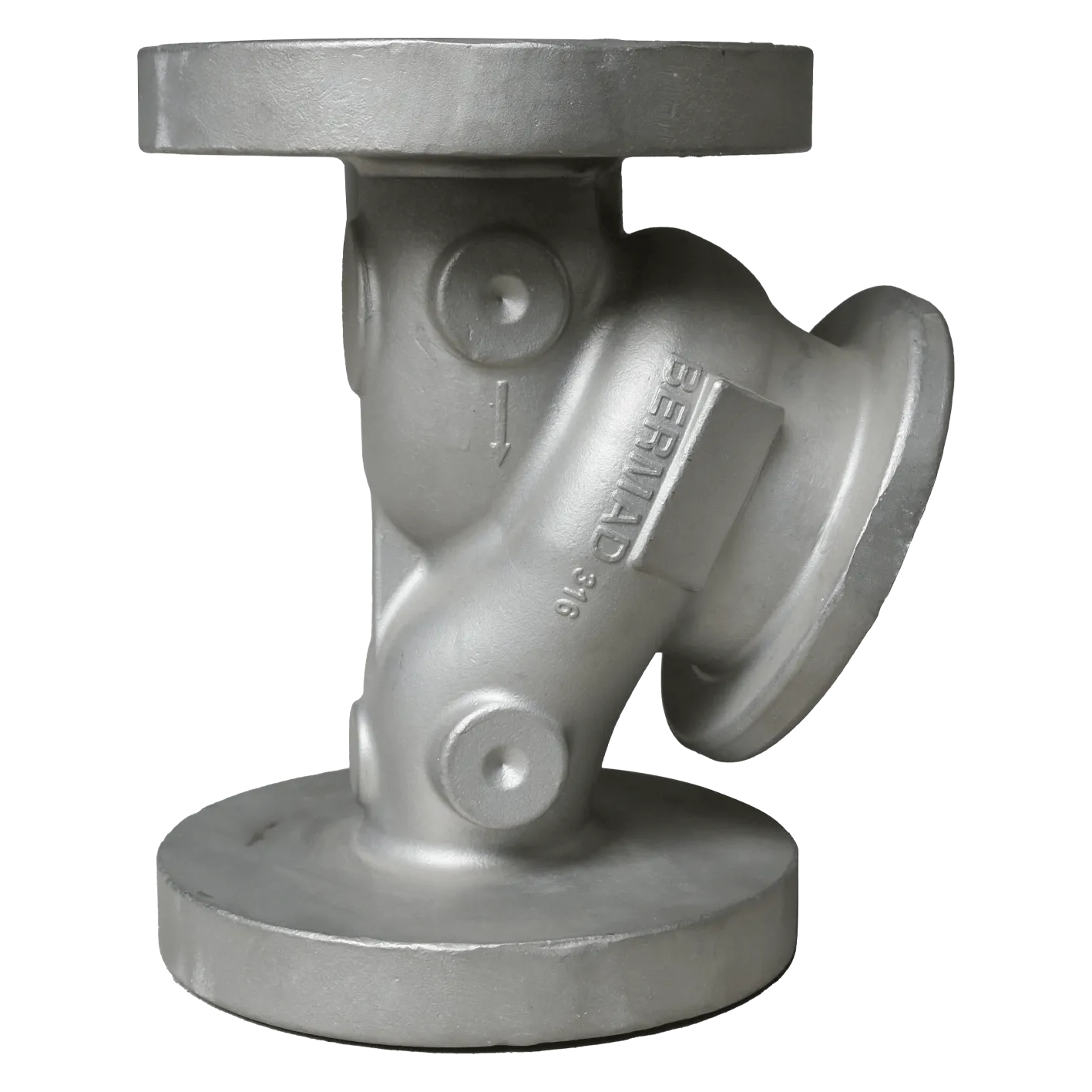
Installation and maintenance of domed weld-on pipe caps also require authoritative oversight to ensure compliance with industry regulations and safety standards. Regular inspection regimes should be established to monitor the condition of the caps, especially in high-stakes sectors like oil and gas. Inspections should focus on detecting signs of wear, corrosion, or structural anomalies that could indicate potential failure. Authoritative bodies and industry standards often provide guidelines that dictate the frequency and methodology of these inspections, ensuring that the caps perform as intended throughout their service life. Choosing reputable manufacturers and suppliers is a critical step in guaranteeing the trustworthiness of domed weld-on pipe caps. Leading manufacturers usually offer certifications that attest to the quality of the materials and fabrication processes used in producing these caps. It is advisable to partner with suppliers who provide comprehensive documentation and traceability for their products, allowing for an auditable quality assurance process. Trusting suppliers with a proven track record not only ensures superior product performance but also mitigates risks associated with material failures. In summary, the deployment of domed weld-on pipe caps is vital to the efficacy of piping systems across various industries. Their unique design and sturdy construction offer significant advantages in terms of pressure management and durability. However, leveraging these benefits demands professional expertise in material selection, welding techniques, and maintenance protocols. By adhering to industry standards and partnering with credible manufacturers, organizations can ensure that their piping systems remain robust, efficient, and secure. Maintaining a focus on expertise, authority, and trust in both products and processes is essential for achieving long-term success in the realm of piping infrastructure.
Next:
Latest news
-
Choosing an Engine Storage Crate Cover for Material and EnvironmentNewsNov.23,2026
-
Cylinder Head Chamber Buyers: Check the Casting Specification FirstNewsNov.17,2026
-
How Impeller Casting Manufacturers Match Material, Process and EquipmentNewsNov.15,2026
-
Valve body vs. intake air chamber: Which casting fits your assembly?NewsNov.02,2026
-
Air Intake Chamber FAQ: Specifications, Ordering and Support QuestionsNewsOct.28,2026
-
Motorcycle Accessories FAQ: Specifications, Ordering and Support QuestionsNewsOct.24,2026
Related PRODUCTS










