English

Mobile:+86-311-8081-2683
Email:info@ydcastings.com
English
die cast material
The Importance of Die Cast Materials in Modern Manufacturing
Die casting is an essential manufacturing process widely used in various industries, producing intricate metal parts with high precision. This process involves forcing molten metal into a mold cavity under high pressure, allowing for the creation of complex shapes and designs that are often difficult to achieve through other methods. The choice of die cast material significantly influences the final product's performance, durability, and application. This article explores the various die cast materials, their properties, and applications in modern manufacturing.
Common Die Cast Materials
1. Aluminum Alloys Aluminum is the most commonly used material in die casting, accounting for a significant percentage of die-cast products. Aluminum alloys are known for their lightweight, high strength-to-weight ratio, excellent corrosion resistance, and good thermal and electrical conductivity. These properties make aluminum die-cast parts ideal for automotive components, electronics housings, and aerospace applications. The most popular aluminum alloys used in die casting include A380, A383, and A356.
2. Zinc Alloys Zinc die casting is another popular material choice, particularly for smaller, intricate parts. Zinc alloys offer excellent fluidity, allowing them to fill complex mold shapes effectively. They also provide high strength, durability, and resistance to corrosion and wear. Common zinc alloys used for die casting include Zamak 3, Zamak 5, and Zamak 7. These alloys are frequently used in applications like hardware fittings, automotive parts, and consumer goods.
3. Magnesium Alloys Magnesium die casting is gaining popularity due to magnesium's low density and high strength-to-weight ratio, making it an excellent choice for lightweight components. Although magnesium is more challenging to work with due to its flammability and susceptibility to corrosion, advancements in die casting techniques have enhanced its usability. Magnesium die-cast parts are often found in automotive applications, aerospace components, and electronic devices.
4. Copper Alloys While less common than aluminum or zinc, copper die casting, particularly brass and bronze, is essential for specific applications where superior strength, ductility, and wear resistance are required. Copper die casting is often utilized in electrical applications, plumbing fittings, and decorative items due to its aesthetic appeal.
die cast material
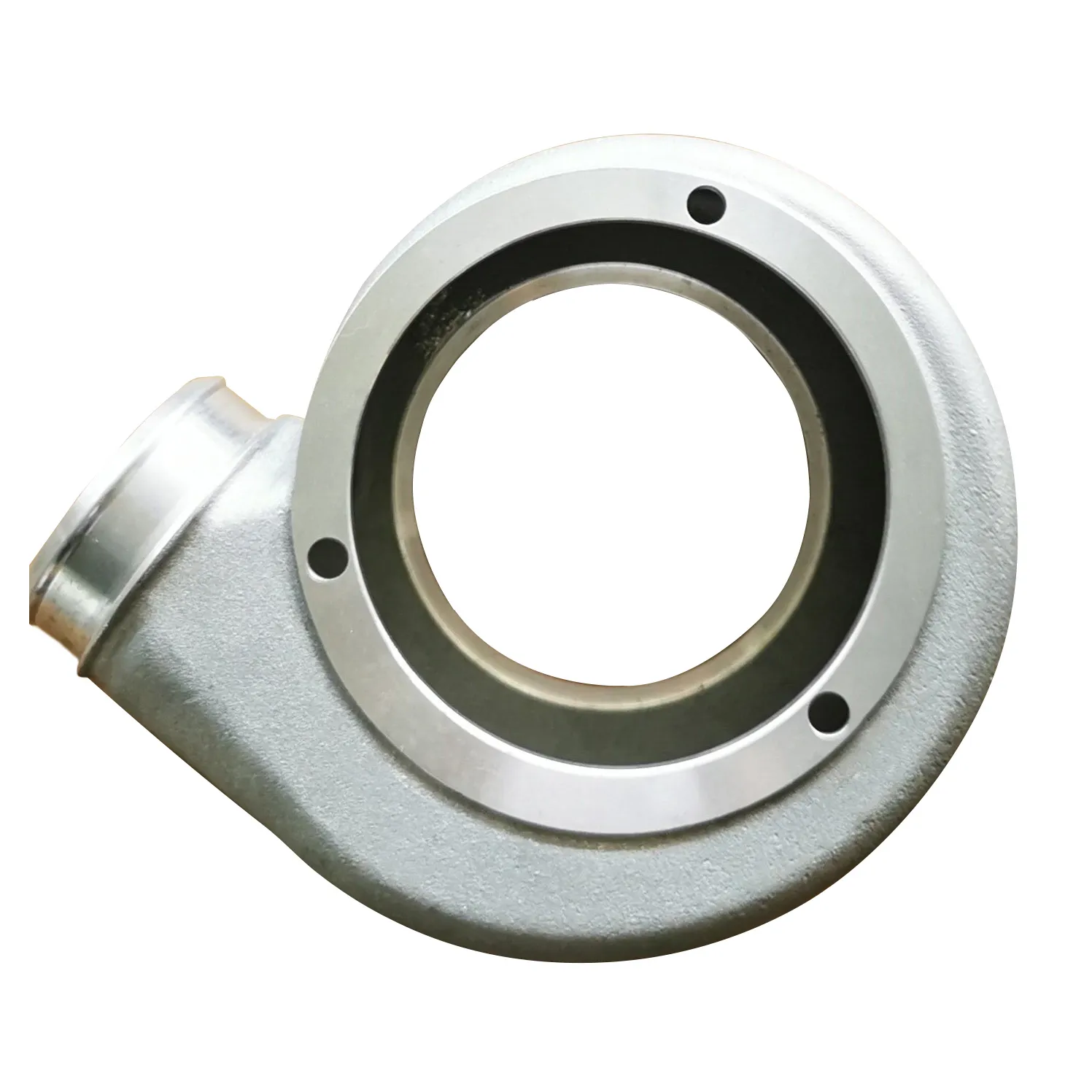
Key Advantages of Die Cast Materials
The selection of die cast materials brings numerous advantages to manufacturers. These materials can be molded into precise dimensions with tight tolerances, reducing the need for further machining and therefore lowering production costs. The smooth surface finish achieved through die casting also enhances the aesthetic quality of the final product, making it suitable for consumer goods where appearance matters.
Furthermore, the die casting process allows for the integration of multiple features within a single part, reducing the assembly time and complexity associated with creating products from several components. This not only speeds up the production process but also enhances the overall product reliability.
Environmental Considerations
Die casting materials can also contribute to sustainable manufacturing practices. Many die cast materials, particularly aluminum and zinc, are recyclable, which reduces the environmental impact of production. Recycling these materials not only conserves raw materials but also requires less energy than producing new metal, making die casting a more sustainable choice for modern manufacturing.
Conclusion
In summary, die cast materials play a crucial role in modern manufacturing, offering a combination of strength, weight savings, and design flexibility. The choice between aluminum, zinc, magnesium, and copper alloys depends on the specific application requirements and performance expectations. As industries continue to innovate and reduce production costs while maintaining high quality, the importance of selecting the right die cast material will only grow. This highlights the significance of ongoing research and development in optimizing die casting materials and processes to meet the evolving needs of various sectors.
-
Choosing an Engine Storage Crate Cover for Material and EnvironmentNewsNov.23,2026
-
Cylinder Head Chamber Buyers: Check the Casting Specification FirstNewsNov.17,2026
-
How Impeller Casting Manufacturers Match Material, Process and EquipmentNewsNov.15,2026
-
Valve body vs. intake air chamber: Which casting fits your assembly?NewsNov.02,2026
-
Air Intake Chamber FAQ: Specifications, Ordering and Support QuestionsNewsOct.28,2026
-
Motorcycle Accessories FAQ: Specifications, Ordering and Support QuestionsNewsOct.24,2026










