English

Mobile:+86-311-8081-2683
Email:info@ydcastings.com
English
High-Quality Die Cast Aluminum Castings for Diverse Industrial Applications
Die cast aluminum castings have gained significant popularity across various industries due to their unique properties and advantages. The die casting process involves forcing molten aluminum into a mold cavity under high pressure, resulting in highly precise, intricate shapes with superior surface finishes. This method is predominantly favored for its efficiency and ability to produce complex geometries that are often challenging to achieve with other manufacturing techniques.
One of the primary advantages of die cast aluminum castings is their excellent dimensional accuracy. This is crucial in industries such as automotive and aerospace, where even minor deviations in component dimensions can lead to significant performance issues. The high pressure used in the die casting process ensures that the molten aluminum fills the mold completely, reducing the likelihood of defects and variations. Additionally, die cast parts typically require minimal machining or finishing, further streamlining production and reducing overall manufacturing costs.
Aluminum itself is a lightweight metal, making die cast aluminum castings particularly attractive for applications where weight reduction is essential. This is especially relevant in the automotive industry, where vehicle manufacturers are continually seeking ways to enhance fuel efficiency. By utilizing die cast aluminum components, manufacturers can achieve a balance between weight reduction and structural integrity, leading to improved performance and lower emissions.
Another noteworthy characteristic of aluminum is its excellent corrosion resistance, which is vital for components exposed to harsh environments. Die cast aluminum castings can withstand exposure to moisture, chemicals, and temperature fluctuations without significant degradation. This property makes them suitable for various applications, including outdoor equipment, marine applications, and industrial machinery, where durability and longevity are paramount.
die cast aluminum castings
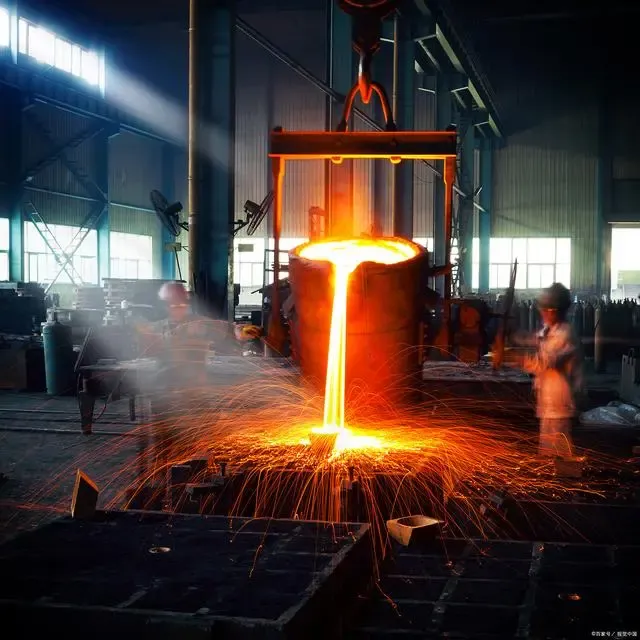
The versatility of die cast aluminum castings extends beyond their physical properties; they are also highly customizable. Manufacturers can easily modify the chemical composition of the aluminum alloy to meet specific performance criteria. For instance, different alloying elements can be added to enhance strength, improve wear resistance, or increase thermal conductivity, making it possible to tailor castings for particular applications.
Sustainability is another critical factor driving the adoption of die cast aluminum castings. Aluminum is highly recyclable, and the die casting process generates minimal waste compared to other manufacturing methods. By recycling aluminum scrap, manufacturers can reduce their energy consumption and carbon footprint, making die cast aluminum castings an environmentally friendly choice for many industries.
Despite the numerous advantages, it is important to acknowledge some challenges associated with die casting. The initial tooling costs for creating die casting molds can be relatively high, which may deter small businesses from utilizing this manufacturing method. Additionally, the process requires careful temperature control and experienced personnel to ensure high-quality results, which can be a barrier to entry for some companies.
In conclusion, die cast aluminum castings offer a unique combination of precision, lightweight properties, corrosion resistance, and environmental sustainability. Their relevance spans various industries, including automotive, aerospace, and industrial applications. As technology continues to advance, the die casting process is likely to evolve, offering even more opportunities for manufacturers looking to leverage the benefits of aluminum castings. With the growing emphasis on sustainability and efficiency, die cast aluminum castings are poised to remain a pivotal choice in modern manufacturing.
-
Choosing an Engine Storage Crate Cover for Material and EnvironmentNewsNov.23,2026
-
Cylinder Head Chamber Buyers: Check the Casting Specification FirstNewsNov.17,2026
-
How Impeller Casting Manufacturers Match Material, Process and EquipmentNewsNov.15,2026
-
Valve body vs. intake air chamber: Which casting fits your assembly?NewsNov.02,2026
-
Air Intake Chamber FAQ: Specifications, Ordering and Support QuestionsNewsOct.28,2026
-
Motorcycle Accessories FAQ: Specifications, Ordering and Support QuestionsNewsOct.24,2026










