English

Mobile:+86-311-8081-2683
Email:info@ydcastings.com
English
Exploring the Benefits and Applications of Die Cast Aluminum in Modern Manufacturing
The Allure of Die-Cast Aluminum A Comprehensive Overview
Die-cast aluminum is a manufacturing process that has gained significant traction in various industries due to its remarkable properties and advantages. This technique, which involves forcing molten aluminum into a mold under high pressure, results in products that exhibit superior strength, durability, and intricate designs. In this article, we will explore the intricacies of die-cast aluminum, its advantages, applications, and future trends.
Understanding the Die-Casting Process
The die-casting process involves injecting molten aluminum into a precisely crafted steel mold. This mold, known as a die, is designed to impart specific shapes and details to the final product. The process begins with melting aluminum alloy, which is heated to a temperature of approximately 660°C. Once the aluminum reaches a liquid state, it is injected into the die at high pressure—ranging from 1,000 to 30,000 psi—ensuring that the molten metal fills every cavity in the mold. After cooling and solidifying, the die is opened, and the finished product is ejected.
Advantages of Die-Cast Aluminum
1. High Precision and Detail One of the most significant advantages of die-cast aluminum is the ability to produce intricate designs with high dimensional accuracy. This is particularly beneficial for industries that require complex shapes and tight tolerances.
2. Lightweight and Strong Aluminum is known for its excellent strength-to-weight ratio. Die-cast aluminum components are lightweight yet robust, making them ideal for applications in aerospace, automotive, and consumer electronics.
3. Corrosion Resistance Aluminum naturally forms a protective oxide layer when exposed to the environment, which helps resist corrosion. This property enhances the longevity of die-cast aluminum products, especially in harsh conditions.
4. Cost-Effective Production Although the initial investment for creating a die can be high, mass production using die-casting reduces the per-unit cost, making it cost-effective for high-volume production runs.
5. Surface Finishing Options Die-cast aluminum can be easily coated with paint, anodization, or powder coating, further enhancing its aesthetic appeal and functionality.
Applications of Die-Cast Aluminum
die cast aluminum
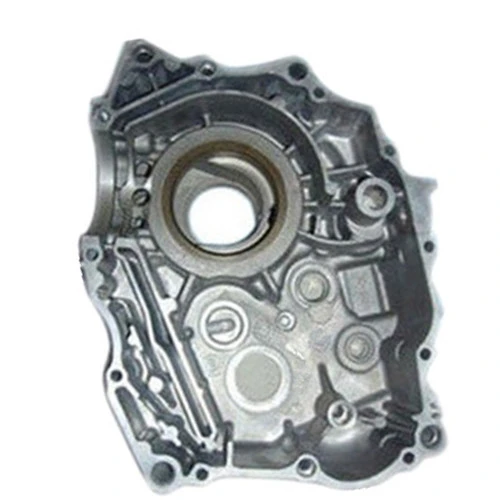
Die-cast aluminum has found its place in a myriad of industries
. Some notable applications include- Automotive Industry Components such as engine blocks, transmission cases, and decorative trim are commonly made from die-cast aluminum. The balance of lightweight and strength contributes to improved fuel efficiency and performance.
- Aerospace Aircraft components require high strength and low weight, making die-cast aluminum an excellent choice for parts such as brackets, housings, and structural components.
- Consumer Electronics Many electronic devices utilize die-cast aluminum for casings and structural components, providing a sleek appearance while protecting internal components.
- Industrial Machinery Die-cast aluminum is also used in manufacturing equipment, housings, and fixtures due to its durability and resistance to wear and tear.
Future Trends in Die-Cast Aluminum
As industries evolve, so too does the technology surrounding die-cast aluminum. One notable trend is the increase in the use of advanced aluminum alloys that offer even greater strength, thermal conductivity, and corrosion resistance. Furthermore, the rise of sustainable manufacturing practices has led to the exploration of recycled aluminum in the die-casting process, contributing to reducing the industry’s carbon footprint.
Additionally, the integration of 3D printing technology into mold production is revolutionizing the die-casting landscape. Rapid prototyping enables manufacturers to create molds faster and at a lower cost, streamlining the overall production process.
Conclusion
Die-cast aluminum stands out as a versatile and effective manufacturing solution that can meet the demands of various industries. With its combination of strength, lightweight characteristics, and design flexibility, it is no surprise that this process is gaining popularity. As technologies continue to advance and sustainable practices become more prioritized, die-cast aluminum is poised to play a crucial role in the future of manufacturing, ensuring that it remains an integral part of our industrial landscape. Whether in aerospace, automotive, or consumer electronics, the benefits of die-cast aluminum are clear, solidifying its status as a cornerstone in modern manufacturing.
-
Choosing an Engine Storage Crate Cover for Material and EnvironmentNewsNov.23,2026
-
Cylinder Head Chamber Buyers: Check the Casting Specification FirstNewsNov.17,2026
-
How Impeller Casting Manufacturers Match Material, Process and EquipmentNewsNov.15,2026
-
Valve body vs. intake air chamber: Which casting fits your assembly?NewsNov.02,2026
-
Air Intake Chamber FAQ: Specifications, Ordering and Support QuestionsNewsOct.28,2026
-
Motorcycle Accessories FAQ: Specifications, Ordering and Support QuestionsNewsOct.24,2026










