English

Mobile:+86-311-8081-2683
Email:info@ydcastings.com
English
Feb . 12, 2025 02:21
Back to list
cap for pipe end
For anyone involved in electrical installations or plumbing systems, the importance of a well-selected conduit pipe end cap cannot be overstated. It might seem like a minor detail, but this small component plays a critical role in sealing and protecting piping systems. A few insights into its material, application, and benefits can help make a more informed decision.
Resolute decisions related to conduit pipe end caps can save substantial resources in terms of maintenance and repairs. For example, using a high-quality stainless steel end cap in a coastal installation minimizes corrosion risks over time, reducing the need for frequent replacements or system overhauls. Consulting with manufacturers or experts in piping systems can provide additional end cap specifications and compliance information critical for specialized applications. Reliability and trustworthiness of a conduit pipe end cap can also relate to brand reputation. Brands with a proven track record in producing durable and efficient piping solutions are often a safer choice. Reviews, industry reports, and affiliations with industry-standard certifications can provide additional credibility to a brand's product. Partnering with reputable suppliers not only ensures quality but aligns with best ethical practices, delivering reliable and efficient end cap solutions for any project. Moreover, safety regulations and industry standards often dictate the necessity for conduit pipe end caps. These regulations exist to minimize any potential hazards that open-ended conduits can pose. By adhering to these regulations, companies not only ensure compliance but also demonstrate a commitment to safety and quality, reinforcing their authoritative position in their respective fields. In conclusion, conduit pipe end caps are indispensable components of any piping infrastructure, offering much-needed protection and sealing solutions. By understanding the variety of materials and selecting the appropriate one based on specific requirements, facility managers can enhance their system’s performance and reliability. Furthermore, choosing trustworthy brands and adhering to industry standards reinforces the credibility of the installation. Every choice, right down to the smallest component like an end cap, plays a significant role in the overarching efficiency and safety of the system. Hence, investing time and resources in selecting the right end cap is a sound strategy, ensuring smooth operation and longevity of the system.
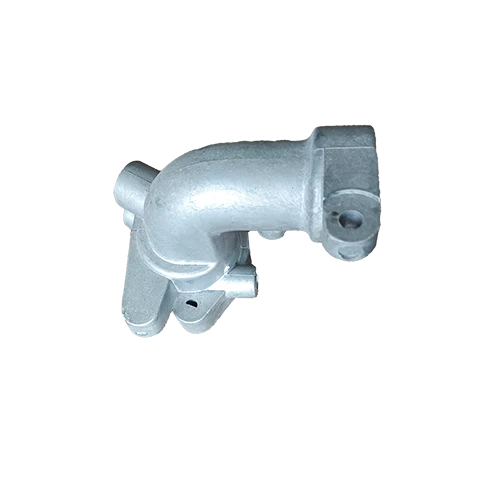
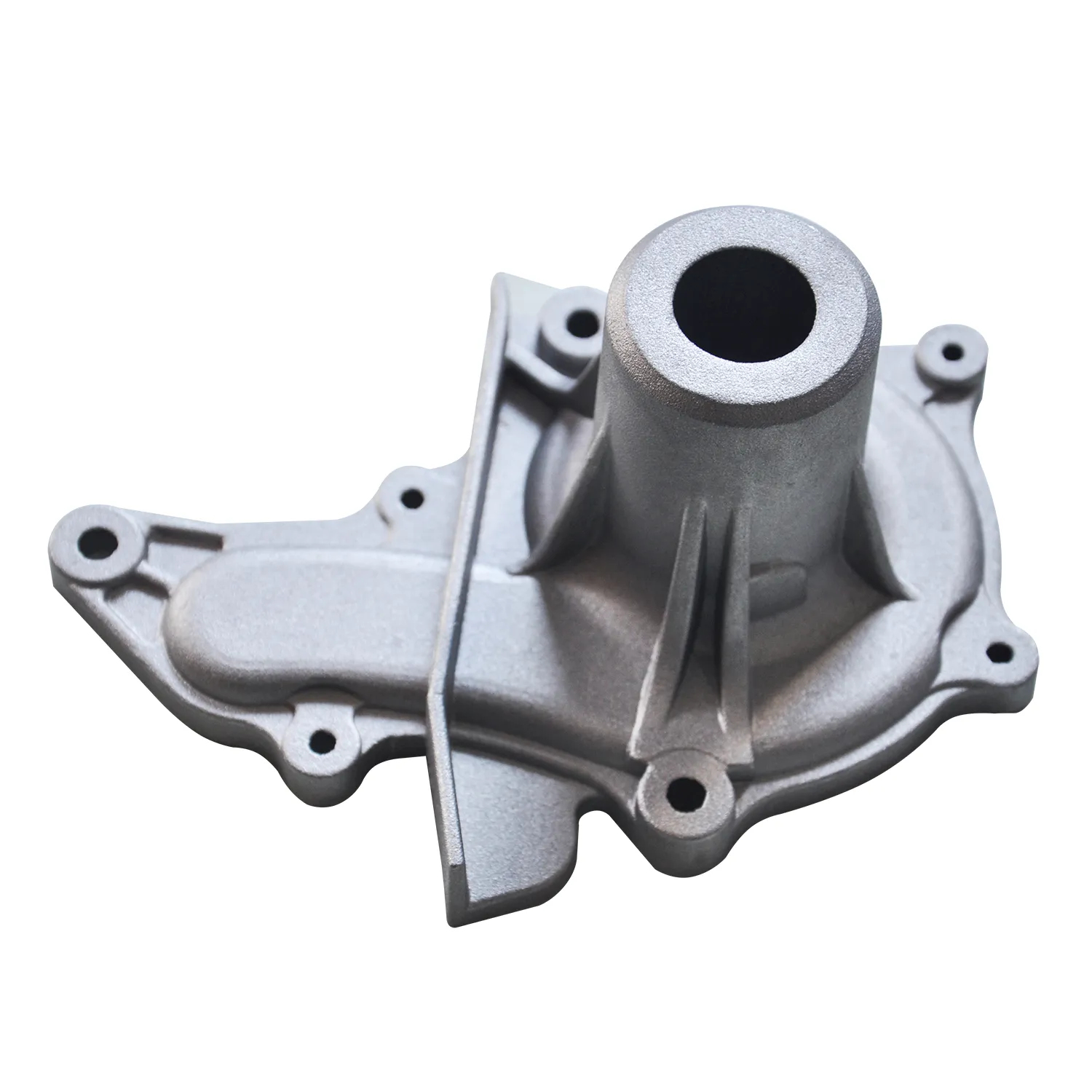
Resolute decisions related to conduit pipe end caps can save substantial resources in terms of maintenance and repairs. For example, using a high-quality stainless steel end cap in a coastal installation minimizes corrosion risks over time, reducing the need for frequent replacements or system overhauls. Consulting with manufacturers or experts in piping systems can provide additional end cap specifications and compliance information critical for specialized applications. Reliability and trustworthiness of a conduit pipe end cap can also relate to brand reputation. Brands with a proven track record in producing durable and efficient piping solutions are often a safer choice. Reviews, industry reports, and affiliations with industry-standard certifications can provide additional credibility to a brand's product. Partnering with reputable suppliers not only ensures quality but aligns with best ethical practices, delivering reliable and efficient end cap solutions for any project. Moreover, safety regulations and industry standards often dictate the necessity for conduit pipe end caps. These regulations exist to minimize any potential hazards that open-ended conduits can pose. By adhering to these regulations, companies not only ensure compliance but also demonstrate a commitment to safety and quality, reinforcing their authoritative position in their respective fields. In conclusion, conduit pipe end caps are indispensable components of any piping infrastructure, offering much-needed protection and sealing solutions. By understanding the variety of materials and selecting the appropriate one based on specific requirements, facility managers can enhance their system’s performance and reliability. Furthermore, choosing trustworthy brands and adhering to industry standards reinforces the credibility of the installation. Every choice, right down to the smallest component like an end cap, plays a significant role in the overarching efficiency and safety of the system. Hence, investing time and resources in selecting the right end cap is a sound strategy, ensuring smooth operation and longevity of the system.
Next:
Latest news
-
Choosing an Engine Storage Crate Cover for Material and EnvironmentNewsNov.23,2026
-
Cylinder Head Chamber Buyers: Check the Casting Specification FirstNewsNov.17,2026
-
How Impeller Casting Manufacturers Match Material, Process and EquipmentNewsNov.15,2026
-
Valve body vs. intake air chamber: Which casting fits your assembly?NewsNov.02,2026
-
Air Intake Chamber FAQ: Specifications, Ordering and Support QuestionsNewsOct.28,2026
-
Motorcycle Accessories FAQ: Specifications, Ordering and Support QuestionsNewsOct.24,2026
Related PRODUCTS










