English

Mobile:+86-311-8081-2683
Email:info@ydcastings.com
English
Choosing the Right Dredge Pump Impeller for Optimal Performance and Efficiency
Understanding Dredge Pump Impellers Design and Functionality
Dredge pumps play a crucial role in the extraction of sediments from bodies of water, making them essential in various industries such as mining, construction, and environmental remediation. At the heart of these pumps lies the impeller, a vital component that significantly influences the pump's efficiency and performance. In this article, we will explore the design, functionality, and importance of dredge pump impellers.
What Is a Dredge Pump Impeller?
An impeller is a rotating component of a pump that transfers energy to the fluid, converting mechanical energy from the motor into kinetic energy in the fluid. In dredge pumps, the impeller is designed to handle abrasive materials, such as sand, silt, and gravel, which are typically encountered in dredging operations. The design of the impeller is crucial, as it determines the pump's ability to move heavy, viscous, and abrasive mixtures efficiently.
Design Considerations
1. Material Selection Given the harsh environments dredge pumps operate in, impellers must be constructed from durable materials that can withstand wear and tear. Common materials include high-chrome alloys, rubber, and polyurethane, which offer excellent resistance to abrasion and corrosion.
2. Impeller Geometry The shape and design of the impeller blades also play a critical role in determining pump performance. Impellers can have curved or straight blades, and their geometry influences the flow rate and pressure generated by the pump. Optimizing the angle and radius of the blades can enhance the pump's efficiency, enabling it to handle heavier loads without significant energy loss.
dredge pump impeller
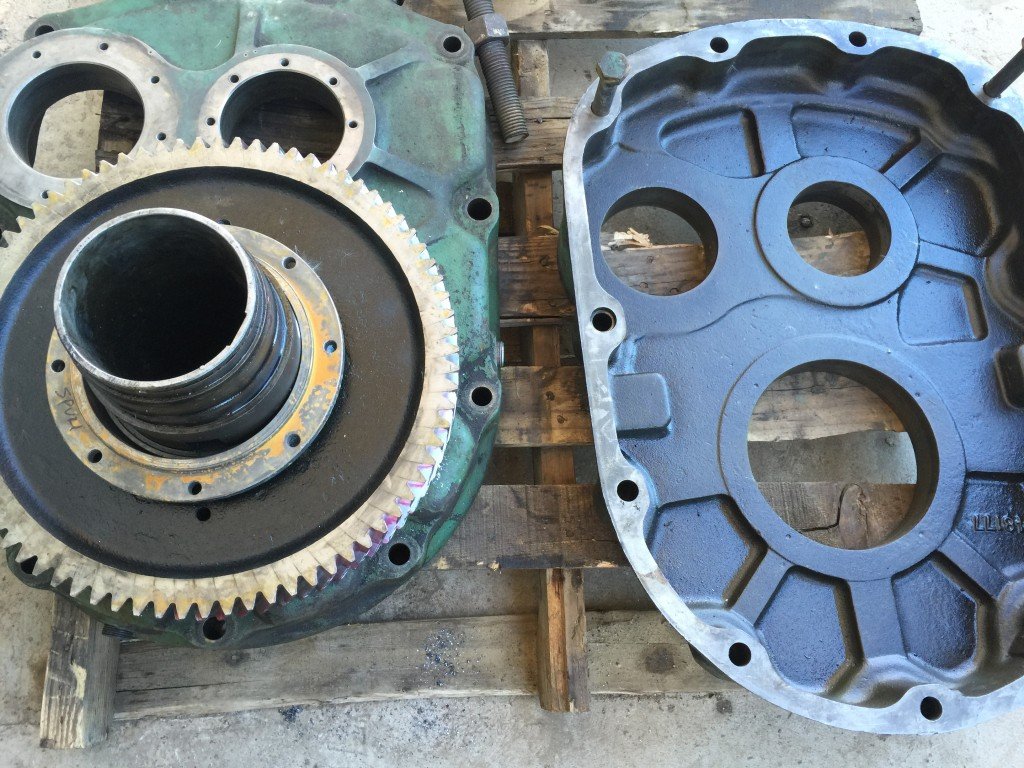
3. Size and Capacity The size of the impeller correlates directly with the pump's capacity. Larger impellers can move higher volumes of water and sediment, making them suitable for larger dredging operations. However, it's essential to balance size with the pump's power requirements, as larger impellers may require more energy to operate efficiently.
Functionality and Performance
The primary function of a dredge pump impeller is to propel the mixture of water and solids through the pump. As the impeller rotates, it creates a low-pressure zone at its center, drawing the fluid into the pump. The liquid then flows through the impeller and is expelled at high velocity through the pump's discharge pipe.
An effective impeller will maintain a consistent flow rate while minimizing turbulence and energy loss. Impeller design directly affects the efficiency of the entire pump system, as well as its ability to handle variable flow conditions. A well-designed impeller can optimize energy use, reduce operational costs, and extend the lifespan of the pump.
Maintenance and Performance Optimization
Regular maintenance of dredge pump impellers is critical to ensuring their longevity and performance. Since they are subject to significant wear due to abrasive materials, inspecting and replacing worn or damaged impellers is essential. Operators can also invest in advanced materials and designs optimized for their specific dredging conditions to enhance efficiency and reduce downtime.
In conclusion, the impeller in a dredge pump is a critical component that affects the overall efficiency and effectiveness of dredging operations. Understanding its design, functionality, and maintenance needs is paramount for operators looking to optimize their dredging processes. By investing in high-quality impellers and maintaining them properly, operators can ensure their dredge pumps perform reliably, even in the harshest conditions.
-
Choosing an Engine Storage Crate Cover for Material and EnvironmentNewsNov.23,2026
-
Cylinder Head Chamber Buyers: Check the Casting Specification FirstNewsNov.17,2026
-
How Impeller Casting Manufacturers Match Material, Process and EquipmentNewsNov.15,2026
-
Valve body vs. intake air chamber: Which casting fits your assembly?NewsNov.02,2026
-
Air Intake Chamber FAQ: Specifications, Ordering and Support QuestionsNewsOct.28,2026
-
Motorcycle Accessories FAQ: Specifications, Ordering and Support QuestionsNewsOct.24,2026










