English

Mobile:+86-311-8081-2683
Email:info@ydcastings.com
English
channel impeller
Understanding Channel Impellers Their Design and Applications
In the realm of fluid dynamics and mechanical engineering, the design and functionality of impellers play a vital role in various applications, particularly in pumps and turbines. Among the various types of impellers, channel impellers have gained significant attention due to their unique design features and operational advantages. This article will explore the concept of channel impellers, their design characteristics, and their applications across different industries.
What is a Channel Impeller?
A channel impeller, as the name suggests, is designed with channels or grooves in its blades. These channels are strategically placed to direct the flow of the fluid being moved. Unlike traditional impellers, which may have a solid blade design, channel impellers utilize these features to enhance fluid movement and efficiency. The unique construction allows for better control of the flow direction, which can result in improved performance in various pumping scenarios.
Design Characteristics
The design of channel impellers is critical to their performance. Here are some key characteristics
1. Blade Geometry Channel impellers often feature blades that are curved or angled in a specific manner to manipulate the direction and speed of the fluid. The curvature enhances the channeling effect, leading to more efficient fluid transport.
2. Number of Channels The number of channels can vary based on application requirements. More channels typically mean better flow control but may also add complexity to the design.
3. Material Selection Given their applications in industries ranging from water treatment to pharmaceuticals, channel impellers are often made from materials that resist corrosion, wear, and erosion. Common materials include stainless steel, plastics, and composite materials.
4. Sizing and Scale Channel impellers can be designed for small-scale applications in household pumps or large-scale industrial systems, underscoring their versatility across different sectors.
Advantages of Channel Impellers
Channel impellers offer several advantages over traditional impeller designs
channel impeller
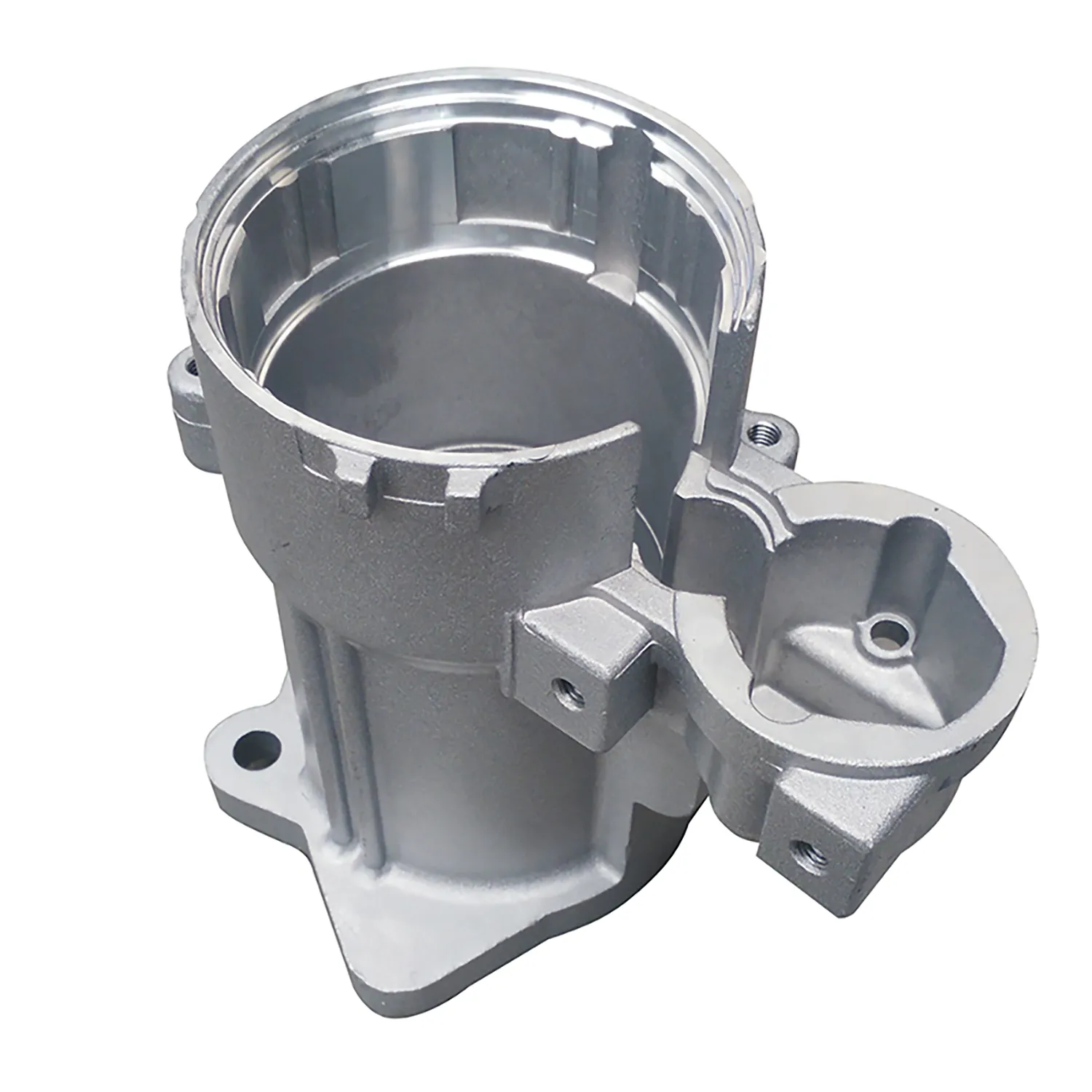
1. Enhanced Flow Control By utilizing channels, these impellers can create a more controlled and directed flow, which is especially beneficial in applications requiring precision.
2. Increased Efficiency The unique design allows for reduced turbulence and energy loss during fluid transport, resulting in higher overall efficiency. This energy efficiency can lead to cost savings in energy consumption over time.
3. Better Cavitation Resistance Cavitation, the formation of vapor bubbles that can cause damage in pumps, is better managed with channel impellers. Their design can help minimize low-pressure zones where cavitation usually occurs.
4. Versatile Applications Channel impellers are suitable for a wide variety of fluids, ranging from water to highly viscous liquids, making them applicable in multiple industries, including chemical processing, wastewater treatment, and food and beverage.
Applications
Channel impellers find their use in several critical applications
1. Water Treatment In municipal water treatment plants, channel impellers are employed in pumps that facilitate the movement of water through various filtration and treatment processes.
2. Chemical Manufacturing These impellers are used in chemical reactors and mixers where precise control of flow rates and mixing is essential for the production of chemical products.
3. Pharmaceuticals In the pharmaceutical industry, channel impellers help in processes requiring sterile conditions, where the controlled movement of liquids is crucial.
4. Food Processing They are also utilized in food processing applications for mixing and transporting viscous products such as sauces or pastes without compromising product integrity.
Conclusion
Channel impellers represent a significant advancement in impeller technology, offering superior flow control, enhanced efficiency, and versatile applicability across various industries. As technology continues to evolve, the design and implementation of channel impellers are likely to see further innovations, paving the way for even more efficient fluid handling solutions. Whether in water treatment facilities or chemical manufacturing plants, the importance of channel impellers cannot be overstated, as they play a crucial role in shaping our ability to manage fluid dynamics effectively.
-
Choosing an Engine Storage Crate Cover for Material and EnvironmentNewsNov.23,2026
-
Cylinder Head Chamber Buyers: Check the Casting Specification FirstNewsNov.17,2026
-
How Impeller Casting Manufacturers Match Material, Process and EquipmentNewsNov.15,2026
-
Valve body vs. intake air chamber: Which casting fits your assembly?NewsNov.02,2026
-
Air Intake Chamber FAQ: Specifications, Ordering and Support QuestionsNewsOct.28,2026
-
Motorcycle Accessories FAQ: Specifications, Ordering and Support QuestionsNewsOct.24,2026










