English

Mobile:+86-311-808-126-83
Email:info@ydcastings.com
English
cf8 and cf8m
Understanding CF8 and CF8M Key Materials in the Stainless Steel World
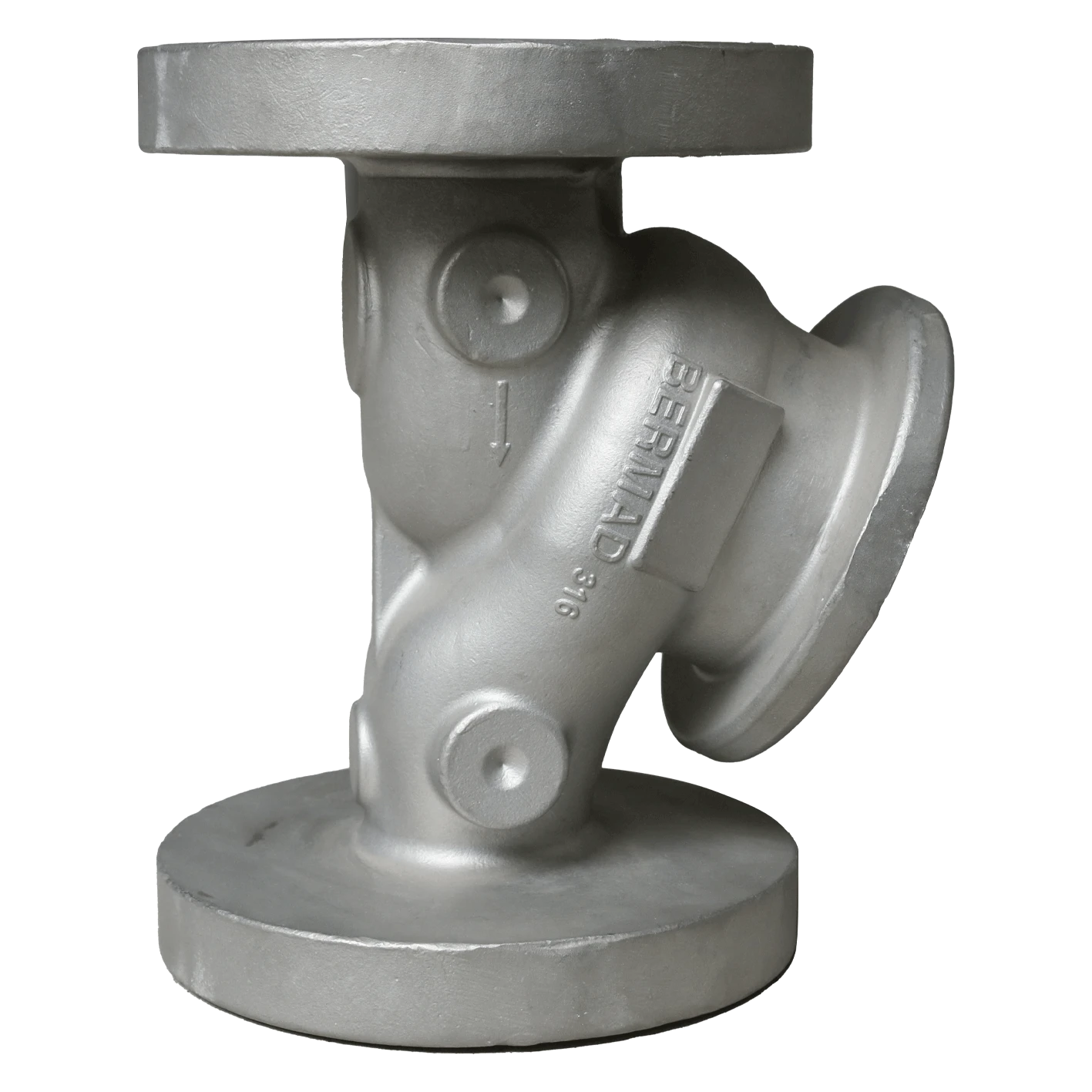
In the realm of stainless steel, CF8 and CF8M are designations that stand prominently in the options available for various applications, particularly in industries requiring high resistance to corrosion and heat. These materials are essentially part of the AISI (American Iron and Steel Institute) classification system, specifically under the category of casting grades of stainless steel.
Understanding CF8 and CF8M Key Materials in the Stainless Steel World
On the other hand, CF8M is a modification of CF8, incorporating molybdenum into its composition, typically around 2-3%. The addition of molybdenum enhances its resistance to pitting and crevice corrosion, especially in chlorine-containing environments. This makes CF8M an ideal choice for applications in marine settings or in industries processing seawater, chemicals, and pulp. Industries such as oil and gas, water treatment, and power generation often opt for CF8M due to its superior performance in harsh conditions.
cf8 and cf8m
One of the key mechanical properties of both CF8 and CF8M is their excellent weldability, allowing for versatile fabrication processes. This quality is vital in industries where components must be assembled on-site or require intricate designs. Furthermore, both materials maintain their strength at high temperatures, a feature that is critical in applications involving steam or high-temperature fluids.
Despite their similarities, the choice between CF8 and CF8M largely depends on specific environmental factors and chemical exposure. For example, in applications involving moderate corrosion risks, CF8 may suffice; however, for conditions involving harsher chemicals, CF8M is often preferred to ensure longevity and reliability.
In conclusion, CF8 and CF8M are trusted materials in the stainless steel casting domain, each with unique properties tailored to meet different industrial needs. Their resistance to corrosion, excellent mechanical properties, and weldability make them indispensable in various applications, from food processing to marine engineering. As industries continue to evolve and new challenges arise, these alloys will remain relevant, driving advancements in material science and engineering.
-
Precision Valve Castings for Agricultural Irrigation and Fluid Control SystemsNewsMay.08,2026
-
Precision Impeller and Compressor Components for Agricultural MachineryNewsMay.08,2026
-
Essential Cast Components for Agricultural Machinery: Oil Management and Motor ProtectionNewsMay.08,2026
-
High-Performance Cast Components for Agricultural Machinery: From Cooling to Exhaust SystemsNewsMay.08,2026
-
Agricultural Valve Castings: Durable Flow Control Solutions for Farm Irrigation SystemsNewsMay.08,2026
-
High-Performance Agricultural Pump Components: Precision Castings for Reliable Farm OperationsNewsMay.08,2026