English

Mobile:+86-311-8081-2683
Email:info@ydcastings.com
English
cast stainless steel parts
Understanding Cast Stainless Steel Parts Advantages and Applications
Cast stainless steel parts play a crucial role in various industries, from automotive to aerospace, and from medical equipment to construction. The combination of stainless steel's inherent properties with the casting process produces components that are both strong and resilient, making them suitable for demanding applications.
What is Cast Stainless Steel?
Cast stainless steel refers to stainless steel that has been melted and poured into molds to create a specific shape. This process allows for complex geometries that would be difficult or impossible to achieve through traditional manufacturing techniques like welding or machining. The casting process generally involves the following steps melting the stainless steel alloy, pouring it into a mold, allowing it to cool and solidify, and then finishing the part by removing any excess material.
The Benefits of Cast Stainless Steel Parts
1. Corrosion Resistance One of the standout features of stainless steel is its exceptional resistance to corrosion, which is attributed to the presence of chromium. When stainless steel parts are cast, this corrosion resistance is maintained, making them ideal for use in harsh environments such as chemical processing plants and marine applications.
2. Strength and Durability Cast stainless steel parts are strong and can withstand high levels of stress and strain. This strength is further enhanced through the casting process, which can produce a uniform grain structure. The durability ensures a long service life, reducing the need for frequent replacements.
3. Complex Geometries Casting allows for the creation of intricate and complex shapes that would otherwise be time-consuming and costly to fabricate using other methods. This feature is particularly beneficial in industries that require components with precise specifications, such as aerospace and automotive.
4. Cost-Effectiveness While the initial investment in casting equipment can be high, the overall production costs can be reduced due to the efficiency of the casting process. Large production runs can be standardized, and the fabrication of multiple intricate parts in a single mold further enhances cost savings.
cast stainless steel parts
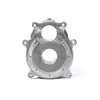
5. Versatility Cast stainless steel can be formulated with various alloying elements to meet specific mechanical and physical property requirements. This versatility allows engineers and designers to tailor parts for unique applications, whether they need high-temperature resistance, enhanced toughness, or increased wear resistance.
Applications of Cast Stainless Steel Parts
The application of cast stainless steel parts spans across numerous industries. Here are some key sectors that benefit from these components
- Aerospace Cast stainless steel parts are used in aircraft structures and components due to their lightweight, strength, and resistance to extreme environments
. Parts such as engine mounts and brackets are commonly made from this durable material.- Automotive In the automotive industry, cast stainless steel components are often found in high-performance vehicles. They are used in exhaust systems, engine parts, and various high-stress applications where durability is paramount.
- Medical Equipment The medical field demands materials that are both hygienic and resistant to corrosion. Cast stainless steel is used in surgical instruments, implants, and other equipment that must endure repeated sterilization processes.
- Marine Applications Given its resistance to saltwater corrosion, cast stainless steel is extensively used in marine environments for components such as propellers, valves, and housing for various equipment.
- Construction Architectural elements, fittings, and structural supports made from cast stainless steel offer both strength and aesthetic appeal, making them ideal for modern buildings.
In conclusion, cast stainless steel parts present a plethora of advantages that make them an invaluable choice in various sectors. Their durability, corrosion resistance, and ability to be molded into complex shapes not only optimize performance but also contribute to the longevity of components across industries. As technology advances, the processes and applications of cast stainless steel are likely to expand, driving innovations and efficiencies in production and design.
-
Choosing an Engine Storage Crate Cover for Material and EnvironmentNewsNov.23,2026
-
Cylinder Head Chamber Buyers: Check the Casting Specification FirstNewsNov.17,2026
-
How Impeller Casting Manufacturers Match Material, Process and EquipmentNewsNov.15,2026
-
Valve body vs. intake air chamber: Which casting fits your assembly?NewsNov.02,2026
-
Air Intake Chamber FAQ: Specifications, Ordering and Support QuestionsNewsOct.28,2026
-
Motorcycle Accessories FAQ: Specifications, Ordering and Support QuestionsNewsOct.24,2026










