English

Mobile:+86-311-8081-2683
Email:info@ydcastings.com
English
cast moulding
Cast Moulding An Overview of the Process and Applications
Cast moulding, a fundamental manufacturing process, has gained significant attention in various industries due to its versatility and efficiency. This technique involves pouring a liquid material, typically metal or plastic, into a pre-formed mould. Once the material solidifies, it takes the shape of the mould, resulting in precise and intricate designs that are often difficult to achieve through other manufacturing processes.
The cast moulding process begins with the creation of a mould, which can be made from various materials such as metal, sand, or ceramic. The choice of moulding material depends on the specifics of the application, including the desired surface finish and the thermal properties required during the casting process. For instance, metal moulds are preferred for high-volume production due to their durability, whereas sand moulds are more suitable for lower quantities or complex geometries.
Once the mould is ready, the chosen liquid material is heated until it becomes molten. This molten substance is then carefully poured into the mould cavity. It is crucial to control the pouring temperature and speed to minimize defects such as bubbles or uneven surfaces. After the molten material fills the mould, it is allowed to cool and solidify, a process that may take anywhere from a few minutes to several hours, depending on the material and thickness of the casting.
cast moulding
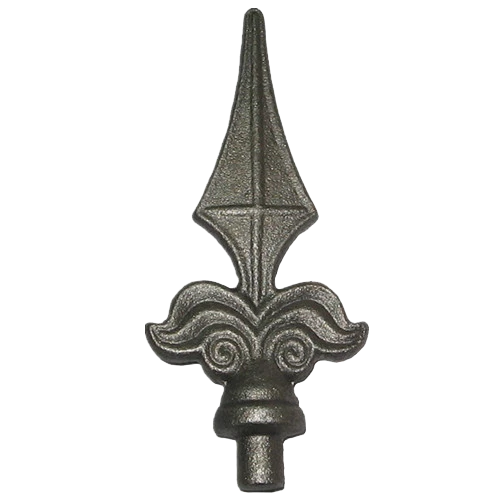
After the solidification process, the mould is removed, revealing the cast component
. This piece may require further finishing processes, such as machining, sanding, or painting, to meet the final specifications. The advantages of cast moulding include the ability to create complex shapes, reduced material waste, and lower production costs, especially for large quantities.Cast moulding finds applications across various sectors, including automotive, aerospace, and consumer goods. In the automotive industry, for instance, cast components such as engine blocks and transmission housings are commonplace due to their strength and lightweight properties. Similarly, in the aerospace sector, cast moulding is used to produce intricate components that can withstand extreme conditions.
In conclusion, cast moulding is a highly efficient manufacturing process that offers numerous benefits across different industries. Its ability to produce complex shapes and reduce material waste makes it an essential technique for modern manufacturing, paving the way for ongoing innovation and development.
-
Choosing an Engine Storage Crate Cover for Material and EnvironmentNewsNov.23,2026
-
Cylinder Head Chamber Buyers: Check the Casting Specification FirstNewsNov.17,2026
-
How Impeller Casting Manufacturers Match Material, Process and EquipmentNewsNov.15,2026
-
Valve body vs. intake air chamber: Which casting fits your assembly?NewsNov.02,2026
-
Air Intake Chamber FAQ: Specifications, Ordering and Support QuestionsNewsOct.28,2026
-
Motorcycle Accessories FAQ: Specifications, Ordering and Support QuestionsNewsOct.24,2026










