English

Mobile:+86-311-8081-2683
Email:info@ydcastings.com
English
cast metal sand
The Role of Cast Metal Sand in Modern Manufacturing
Metal casting is a foundational process in the manufacturing industry, serving as a pivotal method for producing intricate components from metals. Among the various techniques involved in this process, the use of cast metal sand—often referred to as foundry sand—has emerged as an indispensable element. This article delves into the significance of cast metal sand in manufacturing, exploring its types, benefits, and applications.
Cast metal sand is primarily used in the sand casting process, where a mold is created using a sand mixture to form the desired shape of the metal component. The sand molds are compacted around a pattern, usually made of metal or another durable material, enabling precise replication of complex designs. The most commonly used sand in this process is silica sand, known for its high thermal stability and ability to withstand the heat of molten metal.
One of the most significant advantages of cast metal sand is its recyclability. In modern manufacturing, foundries can recycle the sand multiple times, making it an economically and environmentally friendly choice. After a casting cycle, the used sand can be cleaned and reused, thus reducing waste and the demand for new sand extraction. This sustainable practice not only lowers costs for manufacturers but also minimizes the environmental impact associated with mining and processing natural sand.
Another benefit of cast metal sand is its versatility
. It can be tailored to meet specific performance requirements by altering its composition and properties. For example, adding clay can improve the bonding properties of the sand, while other additives can enhance its thermal conductivity or resistance to moisture. This flexibility allows manufacturers to produce a wide range of metal parts, from automotive components to intricate machinery parts, ensuring that they can meet diverse industry needs.cast metal sand
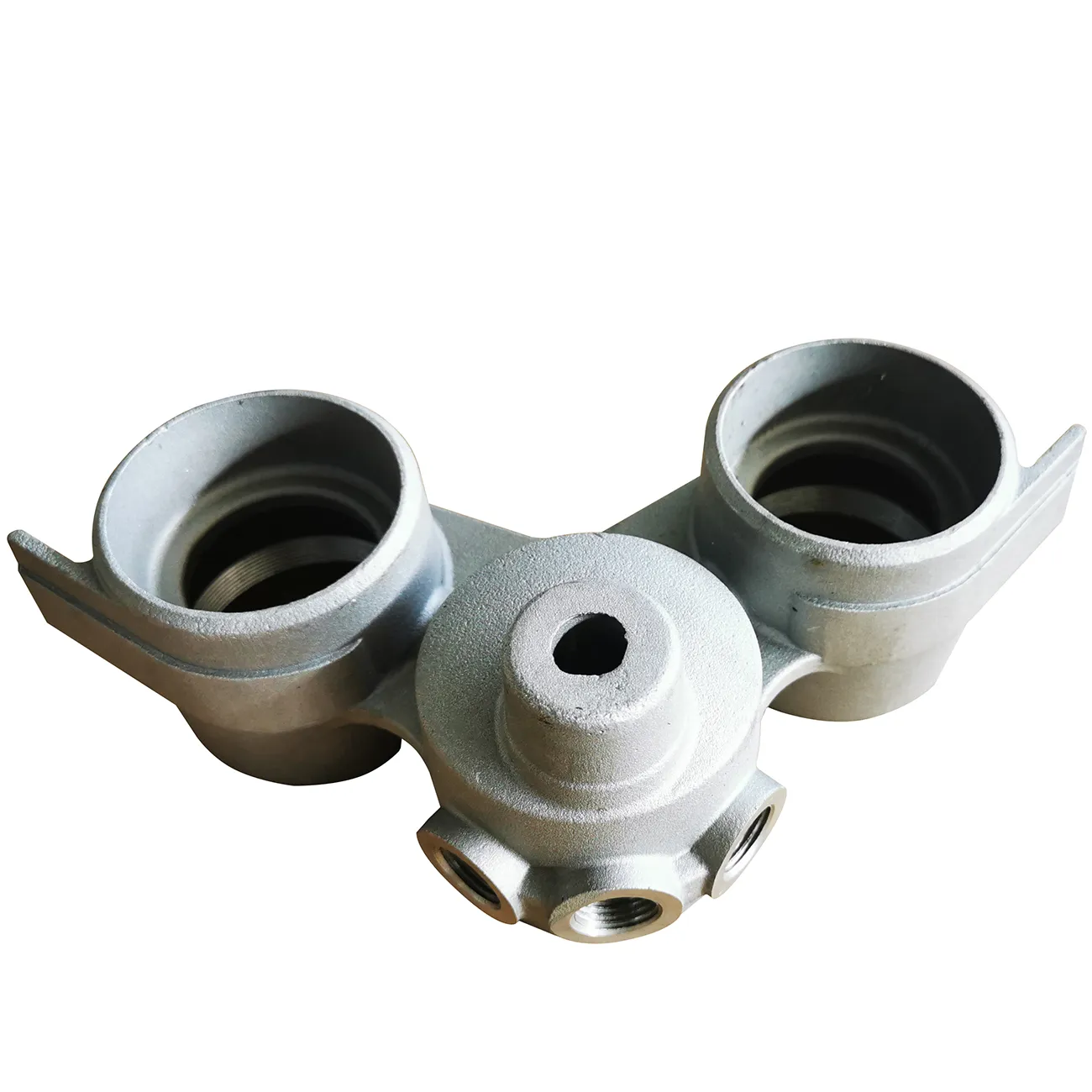
The casting process itself is also enhanced by the properties of cast metal sand. The sand's ability to form fine details allows for the production of intricate designs with impressive dimensional accuracy. This precision is crucial in industries such as aerospace and automotive, where even minor deviations can lead to significant performance issues. Furthermore, the sand's high melting point means it can resist the intense heat of molten metals, ensuring that the mold maintains its shape during casting.
The application of cast metal sand extends beyond traditional manufacturing. In the artistic field, it allows for the creation of unique sculptures and decorative items. Artists and craftsmen utilize sand casting techniques to produce one-of-a-kind pieces, showcasing the creative potential of this process.
However, the use of cast metal sand is not without its challenges. The quality of the sand directly impacts the final product, and impurities can lead to defects in the casting. Foundries must invest in quality control measures to ensure that the sand used is free from contaminants and meets industry standards.
In conclusion, cast metal sand is a crucial component in the landscape of modern manufacturing. Its recyclability, versatility, and ability to produce high-quality components make it a preferred choice for foundries worldwide. As industries continue to evolve, the significance of cast metal sand will undoubtedly grow, driving innovation and sustainability in the manufacturing sector. The future of casting is bright, thanks in no small part to this remarkable material.
-
Choosing an Engine Storage Crate Cover for Material and EnvironmentNewsNov.23,2026
-
Cylinder Head Chamber Buyers: Check the Casting Specification FirstNewsNov.17,2026
-
How Impeller Casting Manufacturers Match Material, Process and EquipmentNewsNov.15,2026
-
Valve body vs. intake air chamber: Which casting fits your assembly?NewsNov.02,2026
-
Air Intake Chamber FAQ: Specifications, Ordering and Support QuestionsNewsOct.28,2026
-
Motorcycle Accessories FAQ: Specifications, Ordering and Support QuestionsNewsOct.24,2026










