English

Mobile:+86-311-8081-2683
Email:info@ydcastings.com
English
cast iron casting manufacturing process
Understanding the Cast Iron Casting Manufacturing Process
Cast iron is a versatile material that has been utilized for centuries in various applications, ranging from machinery components to cooking utensils. The process of manufacturing cast iron involves several intricate steps, each playing a critical role in ensuring the quality and durability of the final product. In this article, we'll explore the cast iron casting manufacturing process, highlighting its stages and significance in modern industry.
1. Raw Material Selection
The journey of cast iron manufacturing begins with the selection of raw materials. The primary ingredients for making cast iron include iron ores, scrap iron, and alloying elements such as carbon, silicon, and manganese. The composition of these materials can vary, affecting the properties of the final cast product. For instance, the ideal carbon content in cast iron typically ranges from 2% to 4%. Carefully selecting and balancing these materials is crucial, as it directly influences strength, ductility, and resistance to wear and corrosion.
2. Melting the Raw Materials
Once the raw materials are chosen, they are subjected to a melting process. In modern foundries, electric arc furnaces or cupola furnaces are commonly used for this purpose. The aim is to achieve a molten state where the components can be uniformly mixed. Temperatures often exceed 1,400 degrees Celsius (2,552 degrees Fahrenheit) to ensure complete melting. During this stage, care is taken to remove impurities, as they can negatively impact the quality of the cast iron.
3. Molding
After the iron has melted, the next step is to create a mold into which the liquid metal will be poured. The mold can be made from various materials, including sand, metal, and ceramic. The most common method, sand casting, involves creating a sand mold that can easily be packed and shaped. The mold is typically comprised of two halves which are clamped together. Pattern-making techniques are essential during this stage, as accurate patterns will ensure the dimensional accuracy of the final product.
4. Pouring
With the mold ready, the molten iron is poured into it carefully. This process must be executed with precision to minimize defects such as air pockets or incomplete filling, which can compromise the structural integrity of the casting. The pouring temperature and speed, along with the mold design, must be considered to achieve optimal results. This stage is crucial, as the quality of the pour can have significant implications on the casting's overall properties.
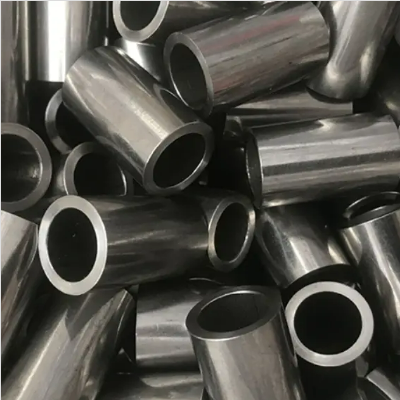
cast iron casting manufacturing process
5. Cooling
Once the molten iron fills the mold, it undergoes a cooling process. Cooling rates are vital as they determine the microstructure of the cast iron, which influences its final mechanical properties. During this stage, the iron solidifies and takes on the shape of the mold. It is essential to control the cooling environment to prevent defects such as cracking due to thermal stress.
6. Shakeout and Finishing
After the cooling period, the mold is opened, and the newly formed casting is removed, a process referred to as shakeout. The casting often requires finishing operations to achieve desired tolerances and surface characteristics. Common finishing techniques include grinding, machining, and sandblasting. These processes enhance the product's aesthetic appeal and ensure it meets performance specifications.
7. Quality Control
Quality control is an integral part of the cast iron manufacturing process. Various tests, including visual inspections, dimension checks, and mechanical tests, ensure that the castings adhere to industry standards and customer requirements. Advanced techniques like X-ray inspection or ultrasonic testing may also be employed to detect subsurface defects.
8. Application and Use
The final phase of the process involves the application of the cast iron products. Cast iron is widely used in automotive parts, construction materials, cookware (such as skillets and Dutch ovens), and numerous other applications. Its ability to withstand high temperatures and resist wear makes it an indispensable material in many industries.
Conclusion
In summary, the cast iron casting manufacturing process is a complex interplay of materials selection, melting, molding, pouring, cooling, and finishing. Each step plays a vital role in determining the quality and performance of the final product. As technology continues to advance, the cast iron industry adapts, ensuring that this historical material remains relevant and essential in the ever-evolving landscape of manufacturing.
-
Choosing an Engine Storage Crate Cover for Material and EnvironmentNewsNov.23,2026
-
Cylinder Head Chamber Buyers: Check the Casting Specification FirstNewsNov.17,2026
-
How Impeller Casting Manufacturers Match Material, Process and EquipmentNewsNov.15,2026
-
Valve body vs. intake air chamber: Which casting fits your assembly?NewsNov.02,2026
-
Air Intake Chamber FAQ: Specifications, Ordering and Support QuestionsNewsOct.28,2026
-
Motorcycle Accessories FAQ: Specifications, Ordering and Support QuestionsNewsOct.24,2026










