English

Mobile:+86-311-808-126-83
Email:info@ydcastings.com
English
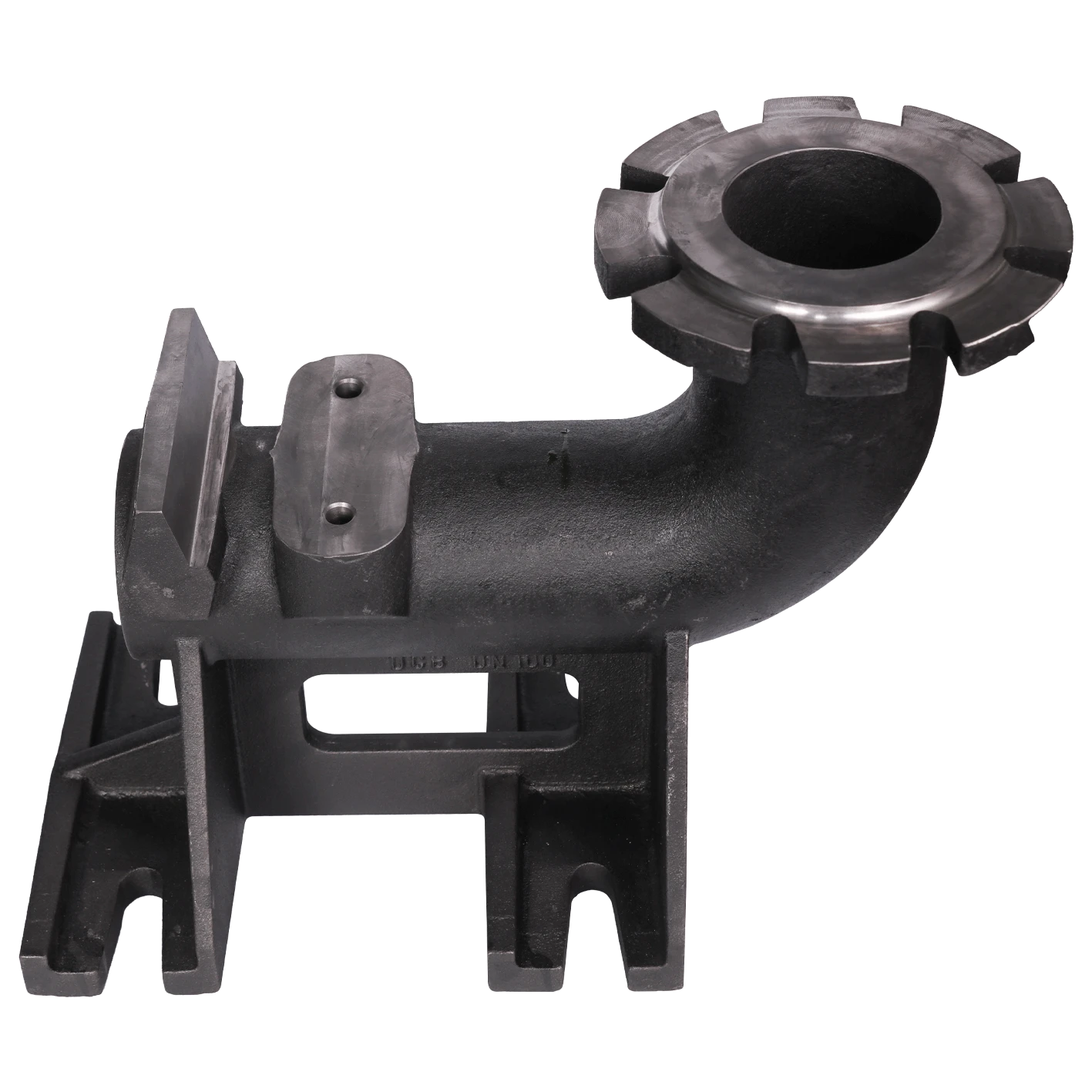
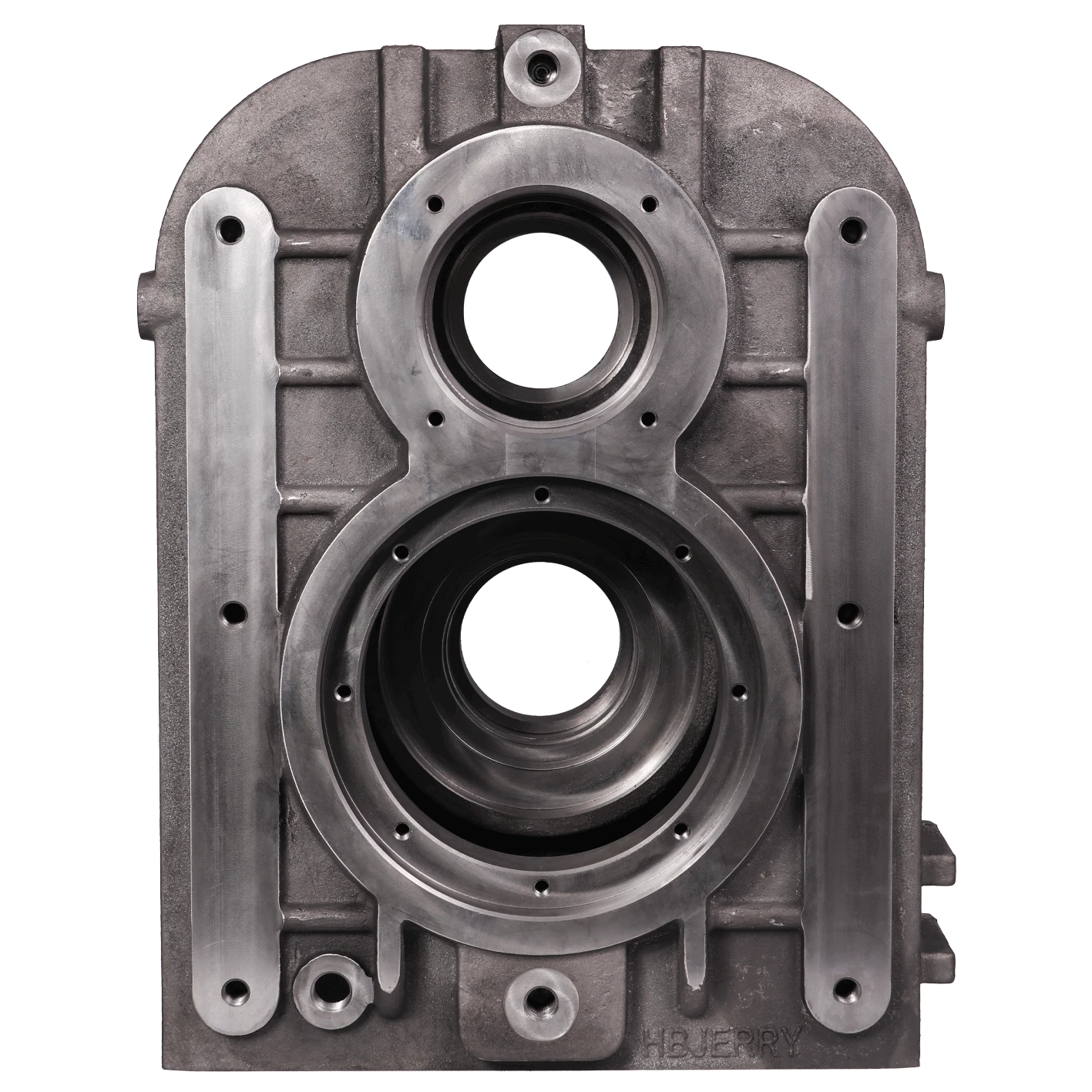
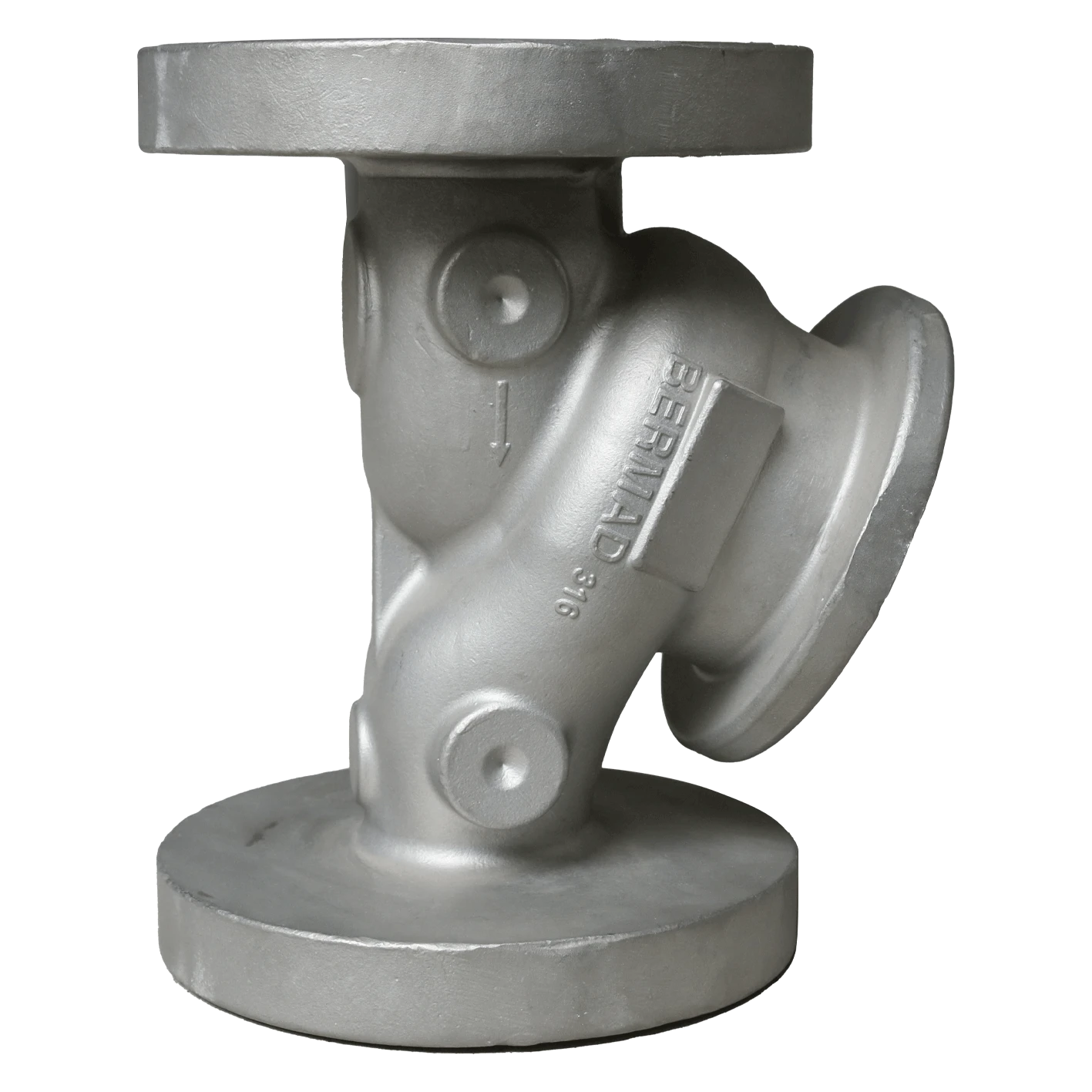
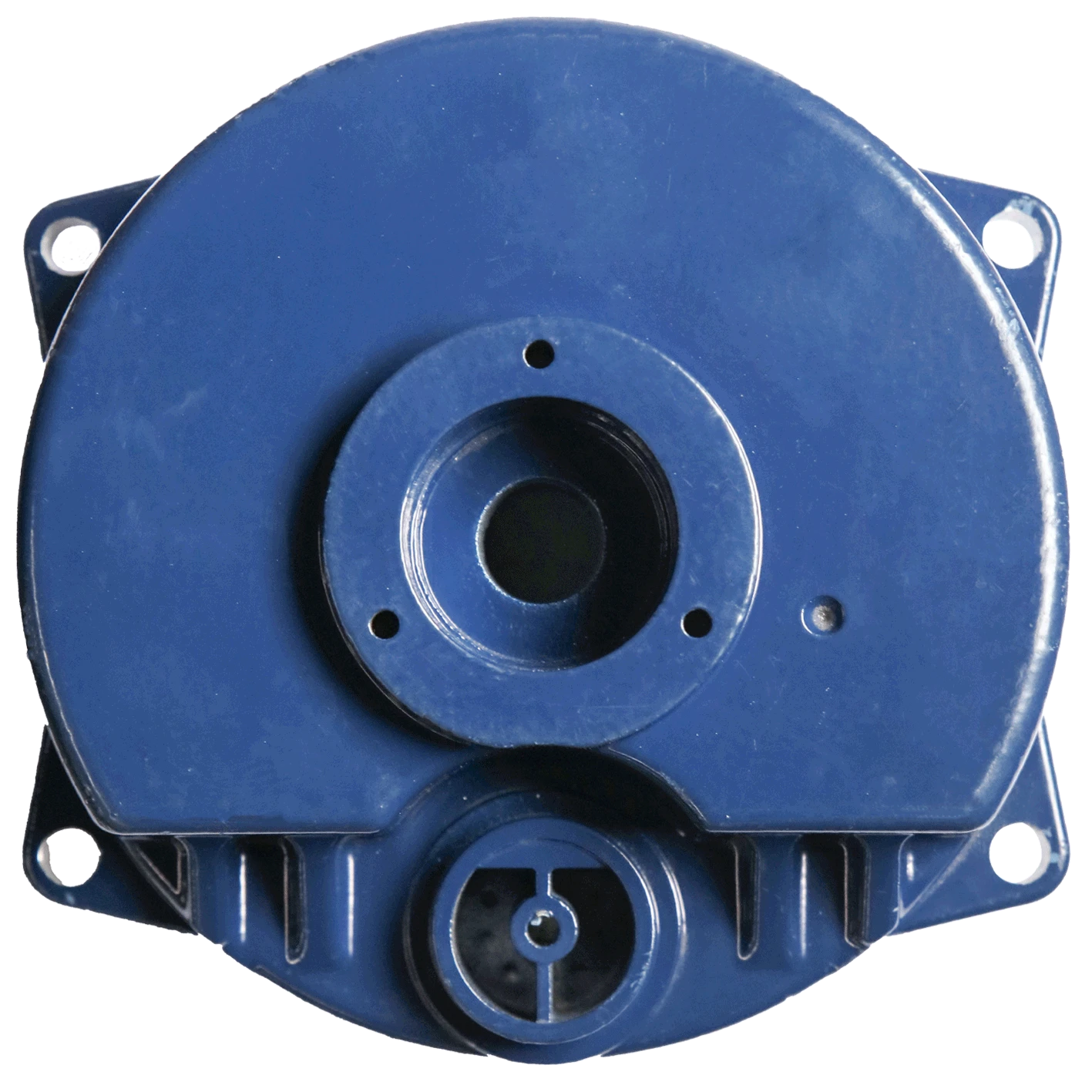
cast iron bearing
Understanding Cast Iron Bearings A Comprehensive Overview
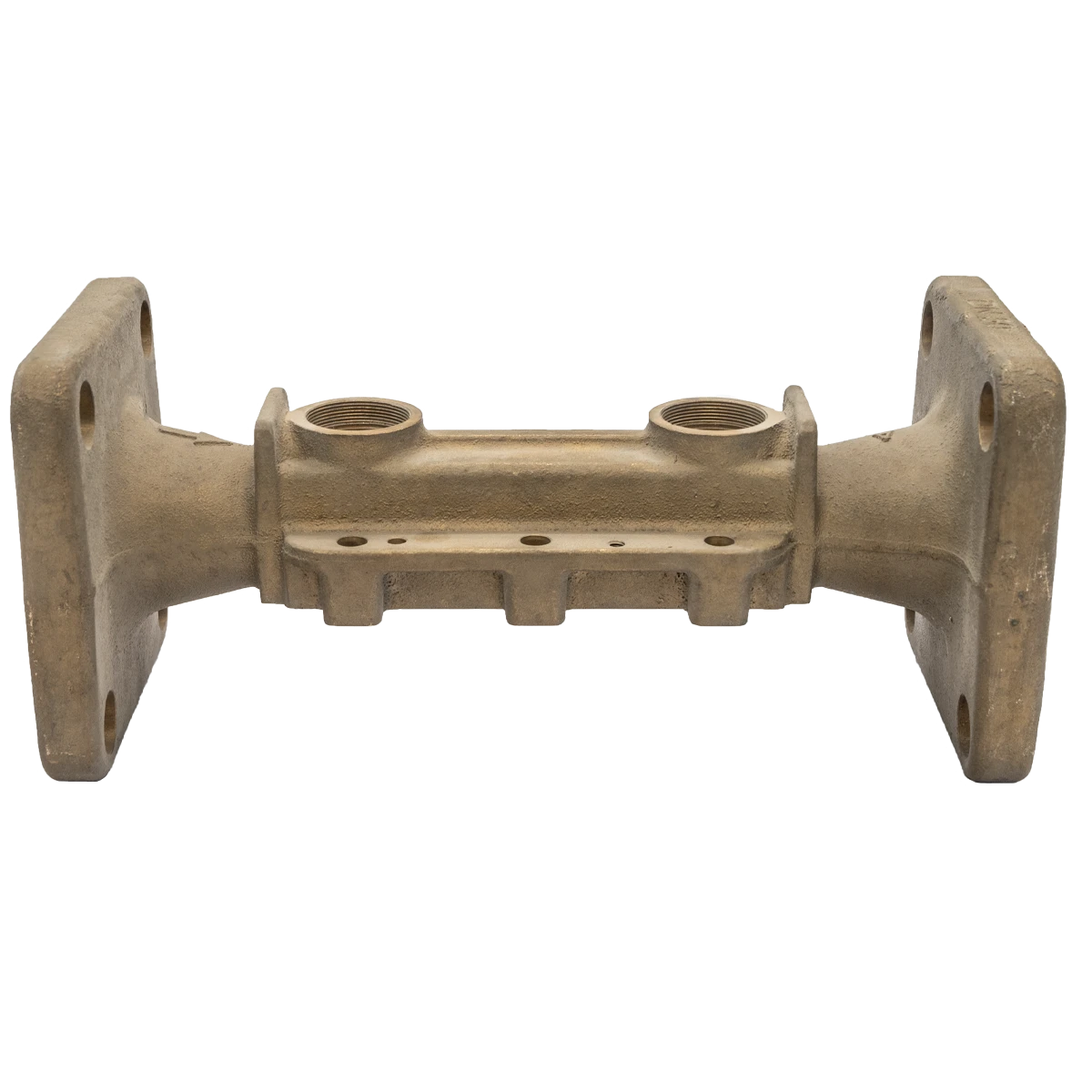
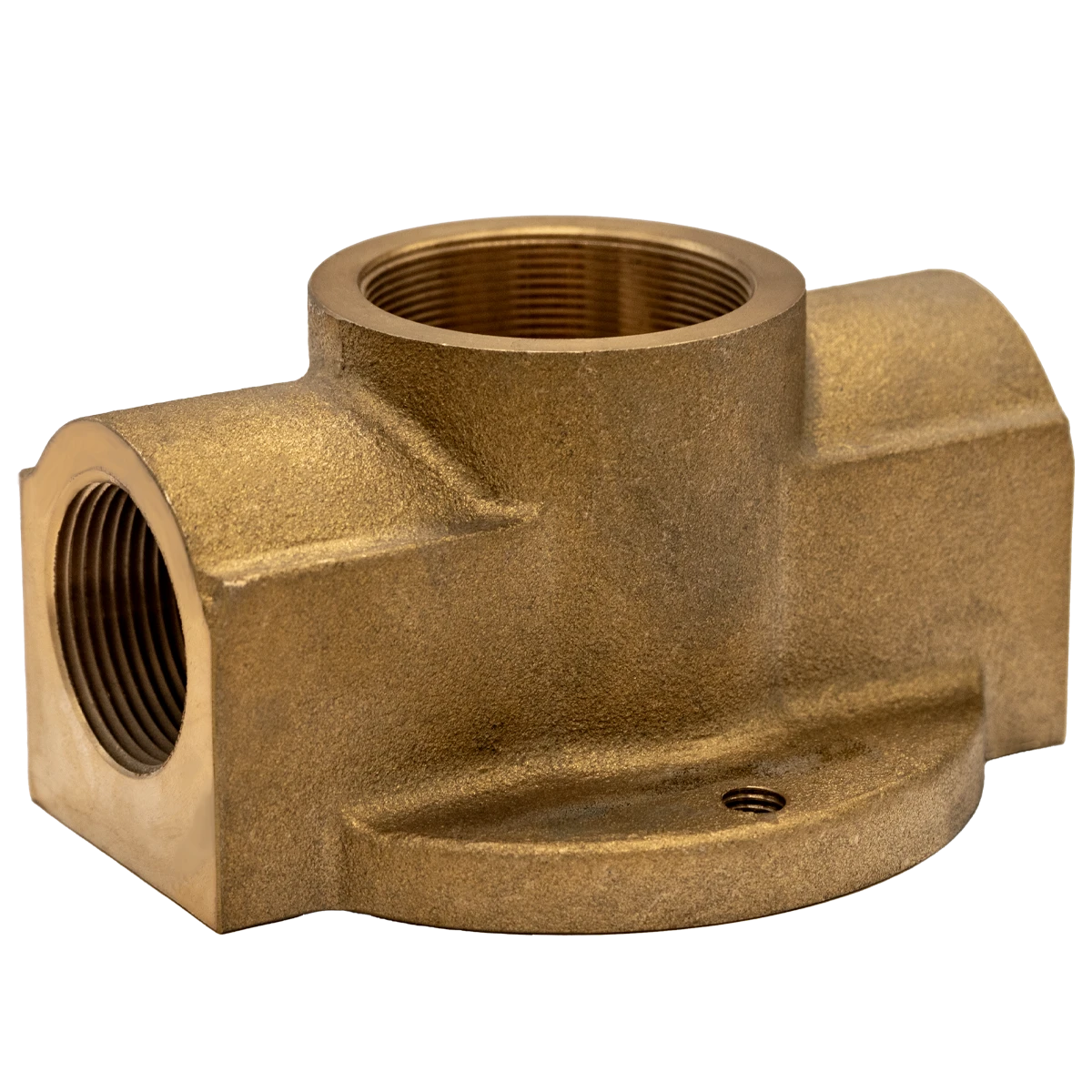
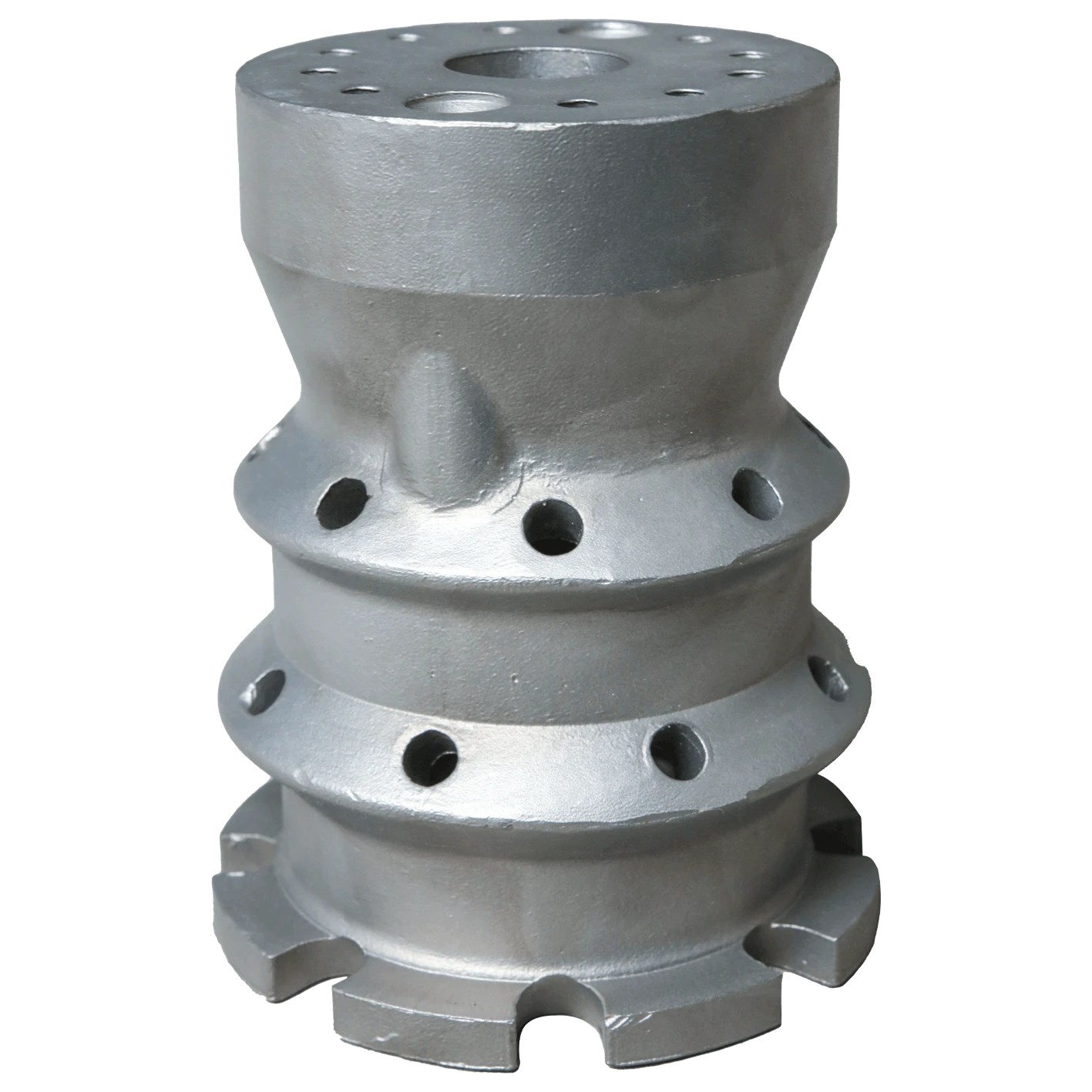
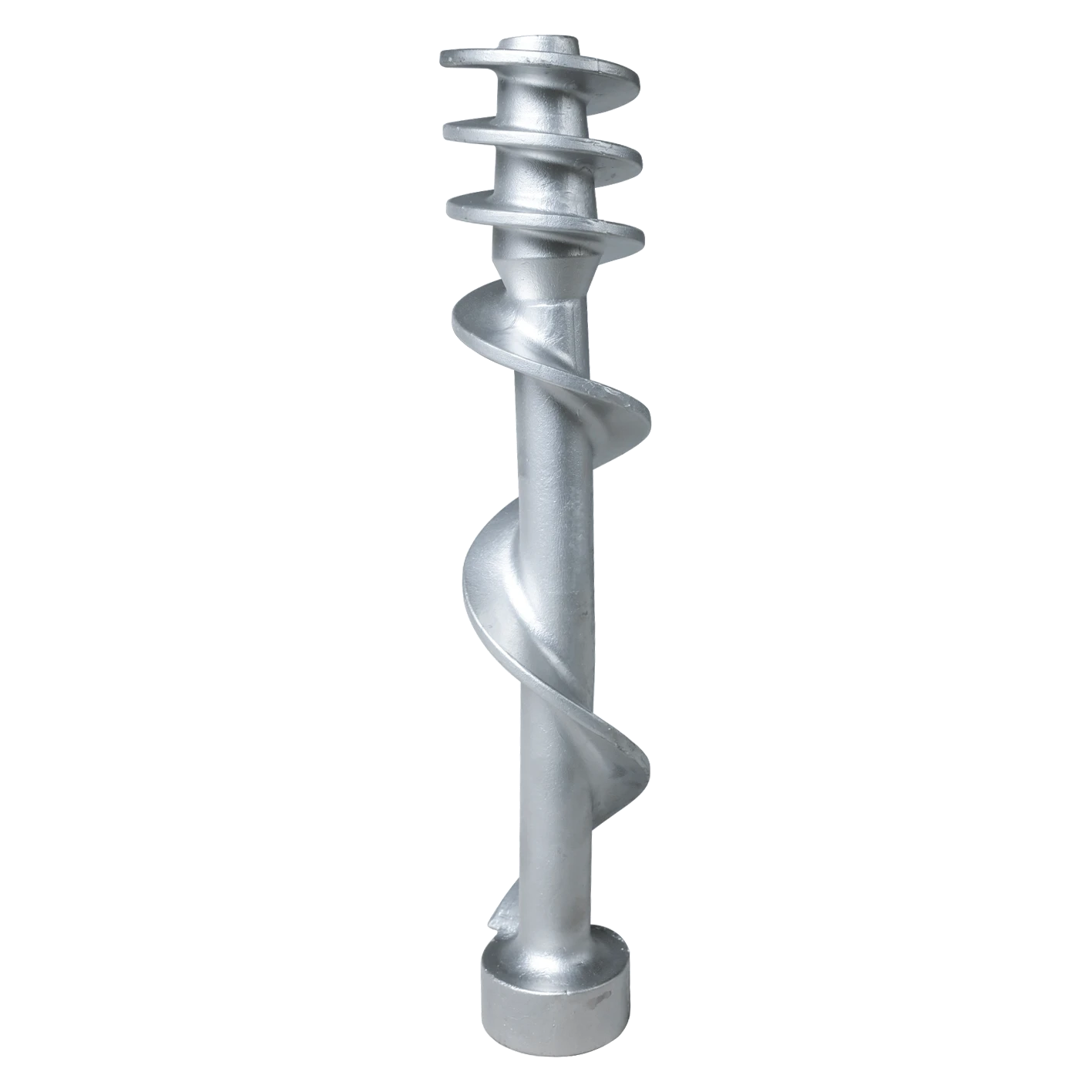
Cast iron has long been a cornerstone material in various engineering and manufacturing applications. Among its many uses, cast iron bearings stand out due to their unique properties and advantages. This article delves into the essential aspects of cast iron bearings, exploring their composition, benefits, applications, and considerations for use.
Composition and Types
Cast iron is primarily an alloy of iron, carbon, and silicon. The carbon content in cast iron generally ranges from 2% to 4%. Due to its excellent fluidity and the ability to be cast into complex shapes, cast iron is widely employed in the production of bearings. There are several types of cast iron, including gray cast iron, ductile cast iron, and white cast iron, each with its own unique properties.
Gray cast iron, characterized by its excellent machinability and good wear resistance, is commonly used in bearings. Ductile cast iron possesses superior tensile strength and impact resistance, making it suitable for applications where high dynamic loads are present. White cast iron, while harder and more brittle, is sometimes used in applications requiring high wear resistance.
Advantages of Cast Iron Bearings
One of the primary benefits of cast iron bearings is their excellent wear resistance. The inherent properties of cast iron allow these bearings to endure significant friction and pressure over extended periods, reducing the need for frequent replacements. Additionally, cast iron has good damping properties, which help minimize vibrations in machinery, leading to a smoother operation.
Furthermore, cast iron bearings can withstand moderate temperatures, making them a suitable choice for various industrial applications where heat may be generated. Their ability to distribute heat efficiently also contributes to their longevity. The self-lubricating properties of some cast iron formulations further enhance their performance by reducing friction and operational wear.
Applications of Cast Iron Bearings
cast iron bearing
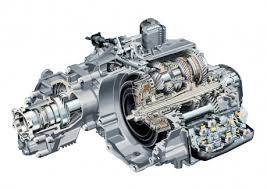
Cast iron bearings find applications in a diverse range of sectors. Industrial machinery, such as pumps, turbines, and compressors, frequently utilize these bearings due to their reliability and durability. In automotive applications, cast iron bearings are often employed in engine components, axles, and gear mechanisms, where they can handle high loads and varying speeds.
The construction industry also benefits from cast iron bearings, particularly in heavy machinery and equipment used for excavation, lifting, and concrete mixing. Their strength and ability to maintain performance under harsh conditions make them a preferred choice for operators in this field.
In addition, the agricultural sector uses cast iron bearings in machinery like tractors and harvesters. The robust nature of cast iron ensures that these bearings can withstand the demanding conditions often encountered in farming applications.
Considerations for Use
While cast iron bearings offer numerous advantages, there are specific considerations to keep in mind. Proper selection is crucial to ensure optimal performance. Understanding the operational environment, load requirements, and speed limitations is vital in choosing the right cast iron bearing for the intended application.
Another consideration is the propensity of cast iron to be brittle under certain conditions. Care must be taken to prevent shock loads that could lead to fracture. Regular maintenance, including lubrication and monitoring for wear, can extend the lifespan of cast iron bearings, ensuring they perform efficiently over time.
Moreover, manufacturers are continuously making strides in technology and materials science, leading to the development of enhanced bearing solutions. Innovations in composite materials and surface treatments can complement traditional cast iron bearings, offering improved performance in specific applications.
Conclusion
In conclusion, cast iron bearings are an integral part of modern engineering and manufacturing. Their unique properties, including wear resistance, damping capabilities, and thermal stability, make them an ideal choice across various industries. Proper selection and maintenance are essential to maximize their benefits and longevity. As technology continues to evolve, the future of cast iron bearings may witness new advancements that enhance their performance and broaden their application scope, solidifying their position as a fundamental component in machinery and equipment.
-
Advanced Manufacturing Technologies in Modern Industrial ProductionNewsMay.22,2026
-
Engine Oil Management Tools: Essential Solutions for Clean and Efficient Automotive MaintenanceNewsMay.22,2026
-
Car Water Pump Systems: Efficiency, Cleaning Applications, and Market OverviewNewsMay.22,2026
-
Industrial Valve Castings and Flow Control Solutions in Modern EngineeringNewsMay.22,2026
-
Aluminum End Caps and Compression Solutions: A Complete Guide for Modern ApplicationsNewsMay.22,2026
-
Precision Valve Castings for Agricultural Irrigation and Fluid Control SystemsNewsMay.08,2026