English

Mobile:+86-311-8081-2683
Email:info@ydcastings.com
English
Exploring Various Techniques for Effective Casting in Different Materials
Understanding Casting Methods An Essential Guide for Metal Workers
Casting is a fundamental manufacturing process used across various industries to create complex metal parts. This process involves pouring molten metal into a mold where it solidifies into the desired shape. Understanding the different casting methods is crucial for metal workers, engineers, and manufacturers aiming to optimize production efficiency and product quality. This article delves into several prevalent casting methods, their applications, benefits, and limitations.
1. Sand Casting
One of the oldest casting methods, sand casting, involves creating a mold from a mixture of sand, clay, and water. This method is highly versatile and can accommodate a wide range of metals, including aluminum, iron, and bronze.
Advantages - Cost-effective for low-volume production. - Suitable for large parts due to the flexibility in mold sizes. - Simple setup and a wide variety of sand mixtures available.
Limitations - Surface finish may not be as refined as other methods. - Dimensional accuracy can be less precise due to sand compressibility.
2. Investment Casting
Investment casting, also known as lost-wax casting, provides superior surface finishes and intricate details. This method involves creating a wax pattern that is coated in a ceramic shell. Once the shell hardens, the wax is melted away, leaving a precise mold for metal pouring.
Advantages - Exceptional surface finish and dimensional accuracy. - Capable of producing complex geometries that are difficult to achieve with other methods. - Ideal for smaller components in industries like aerospace and medical.
Limitations - Higher material and tooling costs. - Generally not suitable for large production runs due to longer processing times.
3. Die Casting
Die casting is a high-pressure casting process where molten metal is forced into a mold. This method is predominantly used for non-ferrous metals such as zinc, aluminum, and magnesium.
casting methods
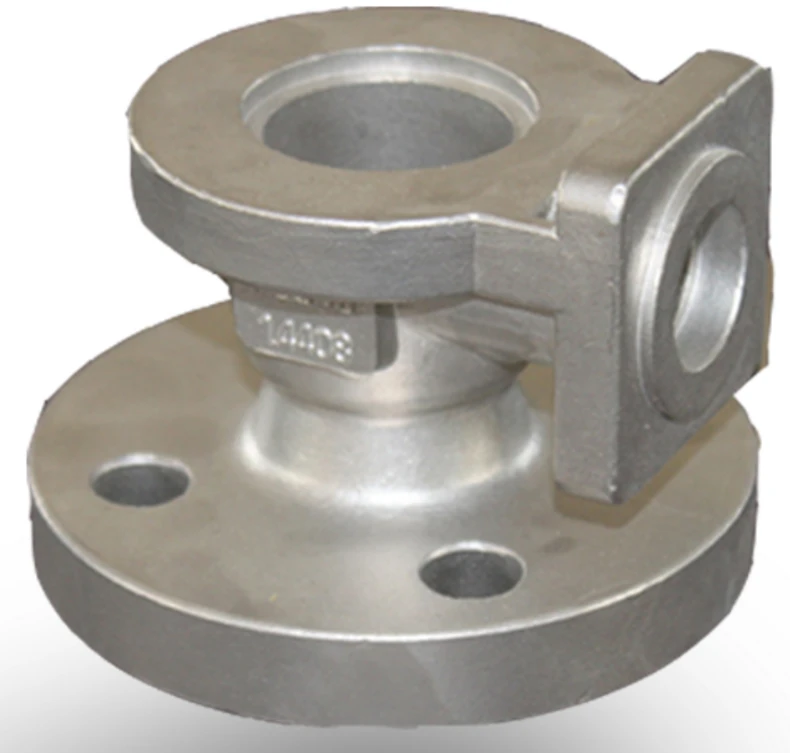
Advantages - High production rates and excellent dimensional accuracy. - Smooth surface finishes and the capability for thin-wall sections. - Ideal for mass production of small to medium-sized parts.
Limitations - Initial tooling costs are high. - Limited to non-ferrous metals due to the high pressures involved.
4. Continuous Casting
Continuous casting is a method commonly used for producing semi-finished shapes such as slabs, billets, and blooms. In this process, molten metal is poured continuously into a mold and cooled as it exits the mold, leading to a continuous roll of solid metal.
Advantages - Efficient and economical for large-scale production. - Reduced waste, as the process eliminates the need for additional machining for many products. - Improved mechanical properties of the final product due to the continuous solidification.
Limitations - Less flexible in terms of part shapes compared to other casting methods. - Equipment setup can be complex and requires significant investment.
5. Vacuum Casting
Vacuum casting is an advanced method that utilizes a vacuum to draw molten metal into a mold. This technique minimizes the introduction of air, reducing the risk of defects like bubbles and inclusions.
Advantages - Produces clean and high-quality parts with superior surface finishes. - Excellent for low-volume production and prototype development.
Limitations - Equipment can be costly and complex to operate. - Limited to specific alloys and materials.
Conclusion
Casting methods are integral to the manufacturing industry, each offering distinct advantages and limitations based on the requirements of the specific application. Understanding these methods allows manufacturers to select the most appropriate techniques to enhance product quality, reduce costs, and streamline production. As technology advances, casting methods continue to evolve, integrating new materials and techniques that broaden their potential applications and improve overall efficiencies. Choosing the right casting method is crucial for any project, heavily influencing the final product’s performance and manufacturability.
-
Choosing an Engine Storage Crate Cover for Material and EnvironmentNewsNov.23,2026
-
Cylinder Head Chamber Buyers: Check the Casting Specification FirstNewsNov.17,2026
-
How Impeller Casting Manufacturers Match Material, Process and EquipmentNewsNov.15,2026
-
Valve body vs. intake air chamber: Which casting fits your assembly?NewsNov.02,2026
-
Air Intake Chamber FAQ: Specifications, Ordering and Support QuestionsNewsOct.28,2026
-
Motorcycle Accessories FAQ: Specifications, Ordering and Support QuestionsNewsOct.24,2026










