English

Mobile:+86-311-8081-2683
Email:info@ydcastings.com
English
Feb . 12, 2025 18:01
Back to list
casing centrifugal pump
Selecting the right casing for a centrifugal pump is a pivotal decision that inherently influences the performance, efficiency, and durability of the pump system. In the realm of engineering and fluid dynamics, understanding the nuances of pump casing design not only empowers improved functionality but also reflects expertise in industrial applications.
For a newly established manufacturing plant, implementing a centrifugal pump with a double volute casing has proven beneficial in reducing radial load, thereby extending the service life of both the pump and its bearings. This design results in decreased vibration, ensuring smoother operation and less frequent maintenance interventions. Insights like these underscore the expertise required in selecting casing types and highlight the authoritative knowledge needed to optimize operational efficiency. Furthermore, tailored casing designs are becoming increasingly prevalent. Computational Fluid Dynamics (CFD) simulations are employed to create bespoke designs that meet specific operational needs, thus enhancing system performance. Engineers specializing in CFD are leveraging their expertise to design casings that minimize backflow and reduce energy consumption by meticulously analyzing flow patterns and pressure distributions. The trustworthiness of a centrifugal pump system is enhanced by proper casing maintenance. Regular inspections for wear and corrosive damage are pivotal. Experienced professionals recommend a proactive maintenance schedule that includes visual checks and condition monitoring to preemptively address potential issues, thereby curtailing downtime and extensive repairs. In conclusion, the choice and maintenance of casing in centrifugal pumps demand a confluence of expertise, experience, and trust. By selecting the right materials and designs tailored to the application's requirements, industries can achieve significant operational efficiencies and reliability. It is this dedication to precision, underpinned by authoritative understanding, that separates the proficient from the merely functional in engineering endeavors.
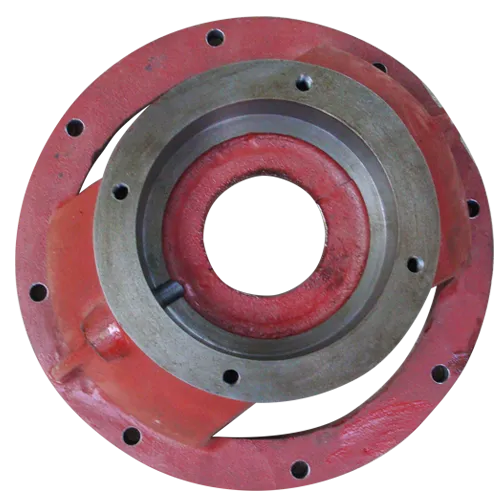
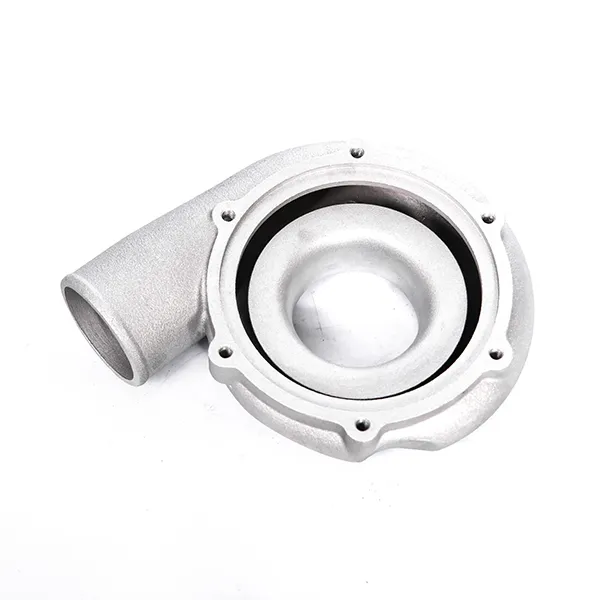
For a newly established manufacturing plant, implementing a centrifugal pump with a double volute casing has proven beneficial in reducing radial load, thereby extending the service life of both the pump and its bearings. This design results in decreased vibration, ensuring smoother operation and less frequent maintenance interventions. Insights like these underscore the expertise required in selecting casing types and highlight the authoritative knowledge needed to optimize operational efficiency. Furthermore, tailored casing designs are becoming increasingly prevalent. Computational Fluid Dynamics (CFD) simulations are employed to create bespoke designs that meet specific operational needs, thus enhancing system performance. Engineers specializing in CFD are leveraging their expertise to design casings that minimize backflow and reduce energy consumption by meticulously analyzing flow patterns and pressure distributions. The trustworthiness of a centrifugal pump system is enhanced by proper casing maintenance. Regular inspections for wear and corrosive damage are pivotal. Experienced professionals recommend a proactive maintenance schedule that includes visual checks and condition monitoring to preemptively address potential issues, thereby curtailing downtime and extensive repairs. In conclusion, the choice and maintenance of casing in centrifugal pumps demand a confluence of expertise, experience, and trust. By selecting the right materials and designs tailored to the application's requirements, industries can achieve significant operational efficiencies and reliability. It is this dedication to precision, underpinned by authoritative understanding, that separates the proficient from the merely functional in engineering endeavors.
Next:
Latest news
-
Choosing an Engine Storage Crate Cover for Material and EnvironmentNewsNov.23,2026
-
Cylinder Head Chamber Buyers: Check the Casting Specification FirstNewsNov.17,2026
-
How Impeller Casting Manufacturers Match Material, Process and EquipmentNewsNov.15,2026
-
Valve body vs. intake air chamber: Which casting fits your assembly?NewsNov.02,2026
-
Air Intake Chamber FAQ: Specifications, Ordering and Support QuestionsNewsOct.28,2026
-
Motorcycle Accessories FAQ: Specifications, Ordering and Support QuestionsNewsOct.24,2026
Related PRODUCTS










