English

Mobile:+86-311-8081-2683
Email:info@ydcastings.com
English
Best Practices for Storing Car Oil Change Containers Safely and Effectively
The Importance of Using the Right Container for Car Oil Changes
When it comes to maintaining your vehicle, changing the oil regularly is one of the most crucial tasks that every car owner must undertake. While many people focus on selecting the right oil type, they often overlook the significance of using an appropriate container for the oil change process. A well-designed oil change container not only simplifies the task but also ensures safety and environmental responsibility.
Why You Need an Oil Change Container
Changing your car's oil can be a messy task, and using the wrong type of container can lead to spills and unnecessary waste. An oil change container is specifically designed to collect old oil and filter it easily, mitigating the chances of leaks and spills. With the right container, you can work with confidence, knowing that the oil will be securely contained during the process.
Moreover, using a dedicated oil change container helps in maintaining compliance with local environmental regulations. Most municipalities have strict laws regarding the disposal of used oil. A proper container can facilitate the recycling of the old oil, making it easier for you to transport it to designated disposal sites, which is essential for environmental protection.
Features of a Good Oil Change Container
When selecting the right container for your oil change, consider several essential features
1. Capacity Make sure your container can hold enough oil for your vehicle. Standard oil changes typically require about 5 to 6 quarts, but larger vehicles may need more.
2. Design A container with a wide opening and a spout is highly recommended. This allows for easy pouring and minimizes the risk of spills. Additionally, some containers come with a built-in handle, which facilitates easy carrying and maneuvering.
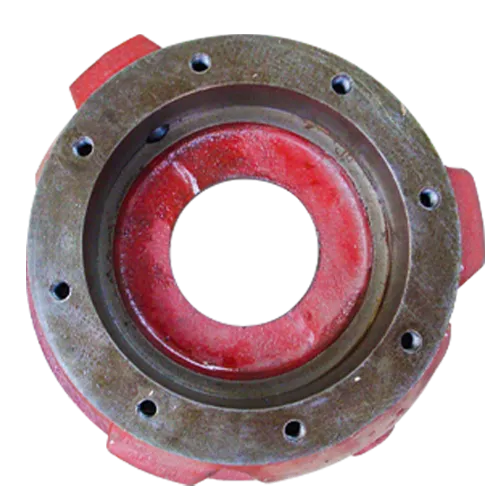
car oil change container
3. Material Look for a container made from durable and chemical-resistant materials. This will ensure that the container can withstand the corrosive nature of motor oil without degrading.
4. Filter System Some advanced oil change containers come with built-in filtering systems, allowing you to separate contaminants from the oil. This feature not only helps in recycling but also makes it easier to dispose of the waste responsibly.
5. Sealability After transferring the old oil to the container, it's essential to seal it properly to prevent leaks. A container with a secure lid will keep the oil contained and safe during transport.
Tips for a Successful Oil Change
Before you embark on changing your car's oil, it's important to gather all the necessary tools and materials, including the right oil, an oil filter, and, of course, your oil change container. Ensure your car is parked on a level surface, and allow the engine to cool before starting the process.
When draining the old oil, remember to do so when the engine is warm, as warm oil flows better. However, take precautions to avoid burns. After draining, let the old oil sit for a few minutes to ensure you remove as much as possible. Once finished, securely seal your oil change container and transport it to the appropriate recycling location.
Conclusion
Using a designated oil change container is more than just a practical choice; it’s a responsible one. By investing in a high-quality container, you can simplify the oil change process, minimize mess, and ensure that you dispose of old oil safely and responsibly. Regular oil changes are vital for your car’s longevity, and knowing that you have the right tools to perform the task will make it all the easier. Happy motoring!
-
Choosing an Engine Storage Crate Cover for Material and EnvironmentNewsNov.23,2026
-
Cylinder Head Chamber Buyers: Check the Casting Specification FirstNewsNov.17,2026
-
How Impeller Casting Manufacturers Match Material, Process and EquipmentNewsNov.15,2026
-
Valve body vs. intake air chamber: Which casting fits your assembly?NewsNov.02,2026
-
Air Intake Chamber FAQ: Specifications, Ordering and Support QuestionsNewsOct.28,2026
-
Motorcycle Accessories FAQ: Specifications, Ordering and Support QuestionsNewsOct.24,2026










