English

Mobile:+86-311-808-126-83
Email:info@ydcastings.com
English
buy oil pan
The Essential Guide to Buying an Oil Pan Key Considerations
When it comes to maintaining your vehicle, selecting the right oil pan might not seem like a priority, but it's a critical component that can significantly impact your engine's performance and longevity. An oil pan serves as the reservoir for engine oil, allowing it to lubricate the engine parts effectively. Here’s a guide on buying an oil pan, focusing on what to consider before making this important purchase.
1. Understand Your Vehicle's Requirements
Before diving into the shopping process, it is crucial to know the specific oil pan requirements for your vehicle. Different makes and models have unique specifications, including size, shape, and mounting points. Always consult your vehicle's manual or manufacturer documentation to ensure compatibility. Online forums and communities can also provide valuable insights from other vehicle owners.
2. Choose the Right Material
Oil pans are primarily made from two materials steel and aluminum.
- Steel Oil Pans These are typically more durable and resistant to dents, making them ideal for high-impact situations. However, they may be heavier and more susceptible to rust over time.
- Aluminum Oil Pans While lighter and often providing better heat dissipation, aluminum pans can be more prone to damage from impacts. They also come with the added benefit of potential for modification, as many performance enthusiasts seek aluminum oil pans for their vehicles.
3. Consider the Type
There are two main types of oil pans stock and aftermarket
.buy oil pan
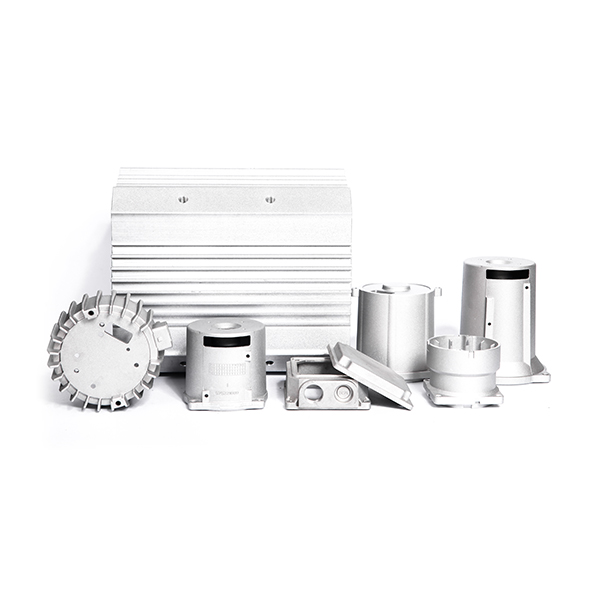
- Stock Oil Pans These are the factory-installed versions, generally reliable but sometimes limited in performance aspects.
- Aftermarket Oil Pans These options are designed for improved performance, allowing for added features such as enhanced oil capacity and baffles to prevent oil starvation during aggressive driving.
Choosing between stock and aftermarket will depend largely on whether you’re looking for routine maintenance or enhancements for performance driving.
4. Evaluate Price and Warranty
Oil pans can range in price dramatically depending on brand, material, and features. It's essential to set a budget before you start your search. However, while it may be tempting to opt for the cheapest option, remember that this component plays a vital role in your engine's health. Investing in a quality oil pan can save you money in the long run by preventing potential engine damage.
Furthermore, check if the oil pan comes with a warranty. A longer warranty often speaks to the manufacturer’s confidence in their product.
5. Seek Customer Reviews
Finally, one of the best ways to gauge the reliability and performance of an oil pan is by reading customer reviews. Real-life experiences from other users can provide insights that specifications alone cannot convey. Look for feedback regarding fitment, performance, and overall satisfaction.
Conclusion
In summary, buying an oil pan is not just about replacing a part; it's about enhancing your vehicle's performance and ensuring long-term reliability. By understanding your vehicle's requirements, selecting the right material, considering your specific needs, and seeking feedback, you can make an informed decision that will keep your engine running smoothly for years to come.
-
Precision Valve Castings for Agricultural Irrigation and Fluid Control SystemsNewsMay.08,2026
-
Precision Impeller and Compressor Components for Agricultural MachineryNewsMay.08,2026
-
Essential Cast Components for Agricultural Machinery: Oil Management and Motor ProtectionNewsMay.08,2026
-
High-Performance Cast Components for Agricultural Machinery: From Cooling to Exhaust SystemsNewsMay.08,2026
-
Agricultural Valve Castings: Durable Flow Control Solutions for Farm Irrigation SystemsNewsMay.08,2026
-
High-Performance Agricultural Pump Components: Precision Castings for Reliable Farm OperationsNewsMay.08,2026