English

Mobile:+86-311-8081-2683
Email:info@ydcastings.com
English
Essential Equipment for Bronze Casting and Metalwork Mastery in Artistry and Industry
The Art and Equipment of Bronze Casting
Bronze casting is a time-honored technique that has been used for thousands of years to create magnificent artworks, tools, and weapons. This intricate process allows for the transformation of metal into detailed sculptures and practical items. The success of bronze casting greatly relies on the tools and equipment used in the process, which have evolved over the centuries from rudimentary methods to advanced technology.
At its core, bronze is an alloy primarily made of copper and tin. The properties of bronze, such as its durability and resistance to corrosion, make it an ideal material for casting. The process begins with melting the metal, which requires specialized equipment. Foundries typically employ furnaces that can reach high temperatures to achieve a molten state for the bronze. Modern furnaces often utilize electric or gas-powered heating elements, which provide precise temperature control essential for the casting process.
The Art and Equipment of Bronze Casting
Another popular technique is lost-wax casting, which involves creating a wax model of the desired object. This wax model is encased in a material like plaster, and once set, the mold is heated to melt away the wax, leaving a cavity in the shape of the original model. The molten bronze is then poured into this cavity. This method allows for more intricate designs and finer details, making it a preferred choice for artists.
bronze casting equipment
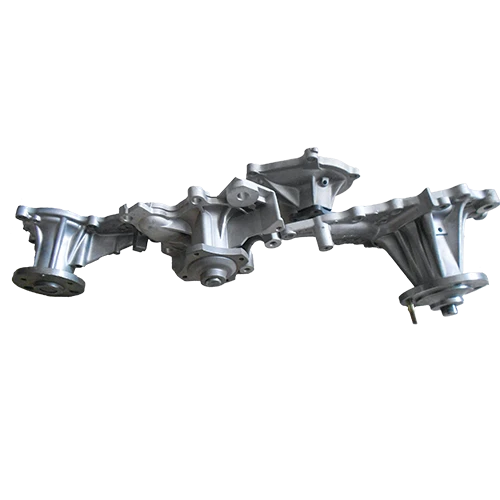
Cooling equipment is equally important in the bronze casting process. After the molten bronze has been poured into the mold, it needs time to cool and solidify. This cooling process must be carefully monitored to avoid warping or cracking, and in some instances, controlled cooling equipment may be used to regulate the temperature.
Post-casting processes also require additional tools and equipment. Once the bronze piece is removed from the mold, it usually undergoes finishing processes. This might involve grinding, sanding, and polishing to achieve a smooth and visually appealing surface. Welding and joining techniques may also come into play if the final sculpture consists of multiple parts.
With the advancements in technology, contemporary bronze casting often integrates 3D printing and computer-aided design (CAD) software, allowing artists to create more complex shapes and even modify existing designs at the click of a button. This transition into the digital realm has broadened the boundaries of sculpture, enabling artists to experiment and innovate.
In conclusion, bronze casting is a sophisticated art form that combines traditional craftsmanship with modern technology. The equipment involved—from furnaces to molds, cooling mechanisms, and finishing tools—plays a critical role in bringing an artist's vision to life. As the world of bronze casting continues to evolve, it is essential to appreciate the historical significance of this process while embracing the innovations that lead to new possibilities in artistic expression and practical applications. Whether creating a monumental sculpture or intricate jewelry, the equipment and techniques of bronze casting remain pivotal in the transformation of metal into art.
-
Choosing an Engine Storage Crate Cover for Material and EnvironmentNewsNov.23,2026
-
Cylinder Head Chamber Buyers: Check the Casting Specification FirstNewsNov.17,2026
-
How Impeller Casting Manufacturers Match Material, Process and EquipmentNewsNov.15,2026
-
Valve body vs. intake air chamber: Which casting fits your assembly?NewsNov.02,2026
-
Air Intake Chamber FAQ: Specifications, Ordering and Support QuestionsNewsOct.28,2026
-
Motorcycle Accessories FAQ: Specifications, Ordering and Support QuestionsNewsOct.24,2026










