English

Mobile:+86-311-8081-2683
Email:info@ydcastings.com
English
brazing cast iron
Brazing Cast Iron Techniques and Applications
Brazing is a metal-joining process that utilizes a filler metal to join two or more pieces of base metal at elevated temperatures. The process involves melting the filler material and allowing it to flow into the joint by capillary action. When it comes to cast iron, a material noted for its excellent castability and good wear resistance, brazing presents unique challenges and opportunities.
Understanding Cast Iron
Cast iron is a group of iron-carbon alloys with a carbon content greater than 2%. It has several specific types, including gray cast iron, ductile cast iron, white cast iron, and malleable cast iron, each with distinct properties. The microstructure of cast iron—characterized by graphite flakes or spheroids—affects its brittleness, machinability, and weldability. While welding is a common method for joining cast iron, it can often lead to cracking due to the presence of high carbon content and the brittleness of the material. This is where brazing becomes an advantageous alternative.
Advantages of Brazing Cast Iron
1. Reduced Thermal Stress Because brazing operates at a lower temperature than welding, it minimizes the risk of thermal distortion and residual stresses. This is especially important given cast iron's potential to crack during high-heat processes. 2. Better Joint Strength When done correctly, brazed joints can exhibit excellent strength and ductility, making them suitable for high-stress applications.
3. Compatibility with Different Cast Iron Types Brazing can be adapted to all types of cast iron, providing a versatile solution for various manufacturing and repair needs.
Brazing Techniques for Cast Iron
To successfully braze cast iron, several techniques and considerations must be kept in mind
brazing cast iron
1. Cleaning the Surface The surfaces to be joined must be thoroughly cleaned to remove any contaminants such as oil, rust, or paint. Mechanical cleaning methods or chemical cleaners can be used to prepare the joint surface.
2. Choosing the Right Filler Metal The filler metal should be selected based on the specific grade of cast iron and the intended application. Common filler metals for brazing cast iron include copper, brass, and nickel-based alloys. Each type has unique properties and melting points, which can affect the brazing process.
3. Using the Right Flux A flux is essential in brazing as it prevents oxidation and aids in the flow of the filler metal. For cast iron, a suitable flux should be chosen that can withstand high temperatures without degrading. The use of boron-based fluxes is common.
4. Controlling Temperature Precision in temperature control is crucial. Typically, brazing of cast iron involves heating the two pieces to a temperature of around 1,100 to 1,200 degrees Fahrenheit (593 to 649 degrees Celsius). Too much heat can cause the cast iron to degrade, while insufficient heat may result in poor joint formation.
5. Post-Brazing Treatment After brazing, components may require post-treatment such as stress-relieving or machining. This is essential for ensuring joint integrity and functional performance.
Applications of Brazed Cast Iron
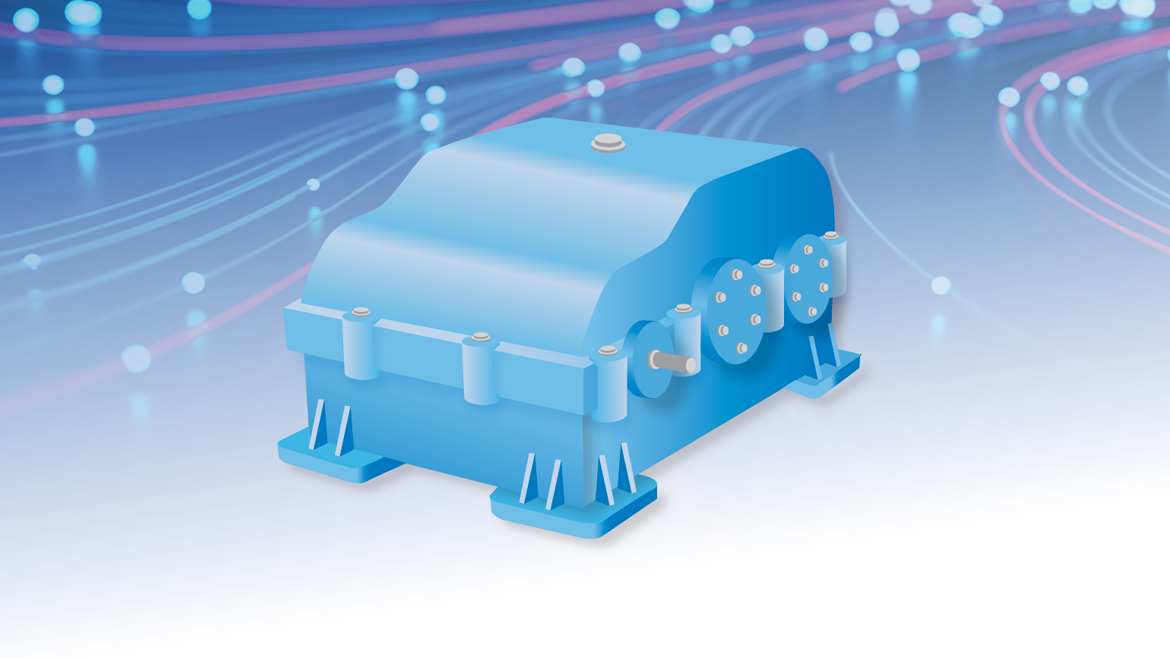
The brazing of cast iron finds numerous applications across various industries. In the automotive industry, brazed enhancements are frequently applied for engine blocks and exhaust systems, where robustness and high-temperature resistance are paramount. In manufacturing, cast iron machine components benefiting from brazing include gear housings and valve bodies. Furthermore, brazing is often used for repair work, providing a method to restore worn-out components without the need for costly replacements.
Conclusion
Brazing cast iron presents a viable alternative to traditional welding, particularly for applications that demand high precision and minimized thermal stress. By understanding the fundamentals of the brazing process, selecting the appropriate materials, and adhering to the best practices, manufacturers can achieve strong, durable joints that enhance the performance and longevity of cast iron components. Whether in manufacturing, automotive, or repair scenarios, brazing continues to be a valuable technique in metalworking.
-
Choosing an Engine Storage Crate Cover for Material and EnvironmentNewsNov.23,2026
-
Cylinder Head Chamber Buyers: Check the Casting Specification FirstNewsNov.17,2026
-
How Impeller Casting Manufacturers Match Material, Process and EquipmentNewsNov.15,2026
-
Valve body vs. intake air chamber: Which casting fits your assembly?NewsNov.02,2026
-
Air Intake Chamber FAQ: Specifications, Ordering and Support QuestionsNewsOct.28,2026
-
Motorcycle Accessories FAQ: Specifications, Ordering and Support QuestionsNewsOct.24,2026










