English

Mobile:+86-311-808-126-83
Email:info@ydcastings.com
English
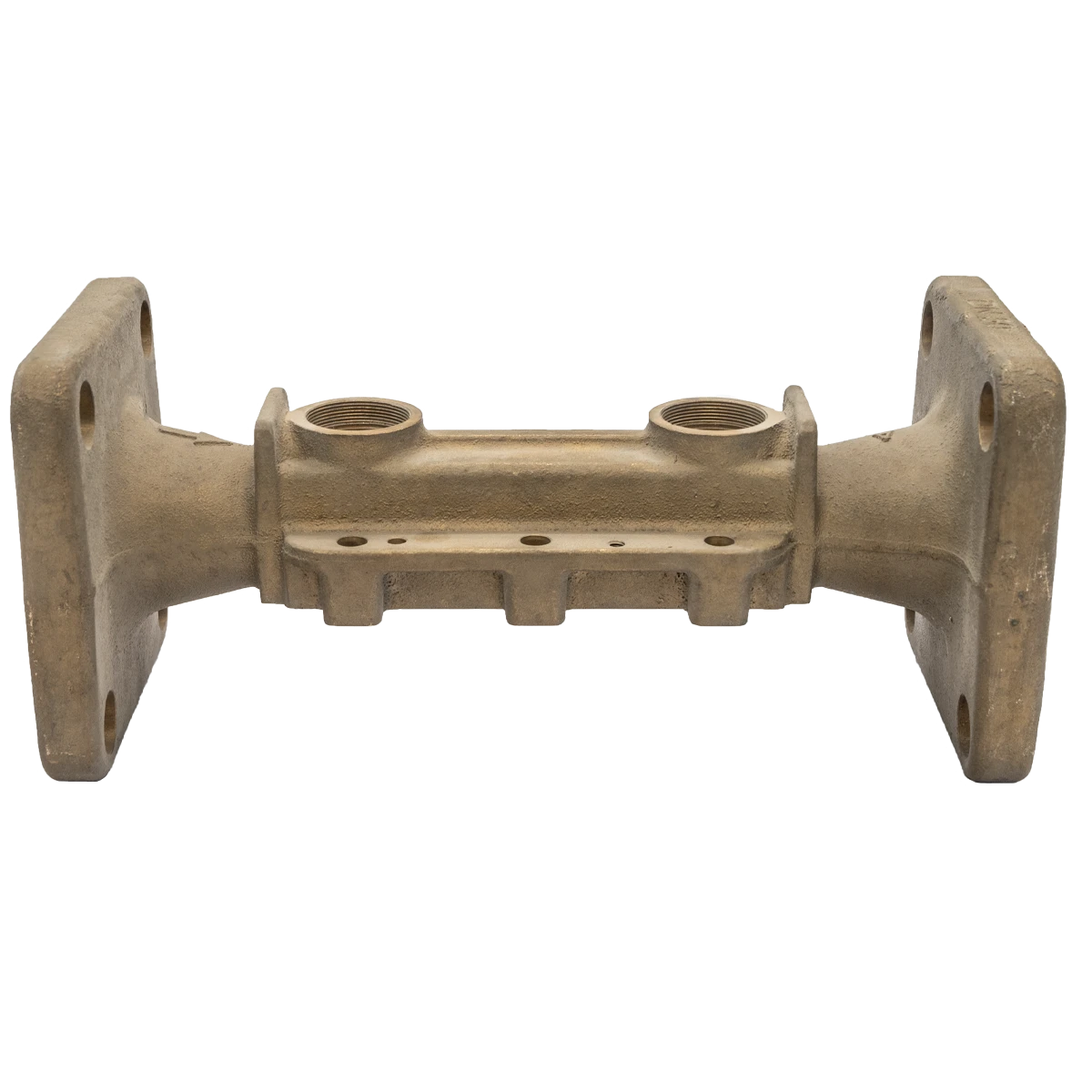
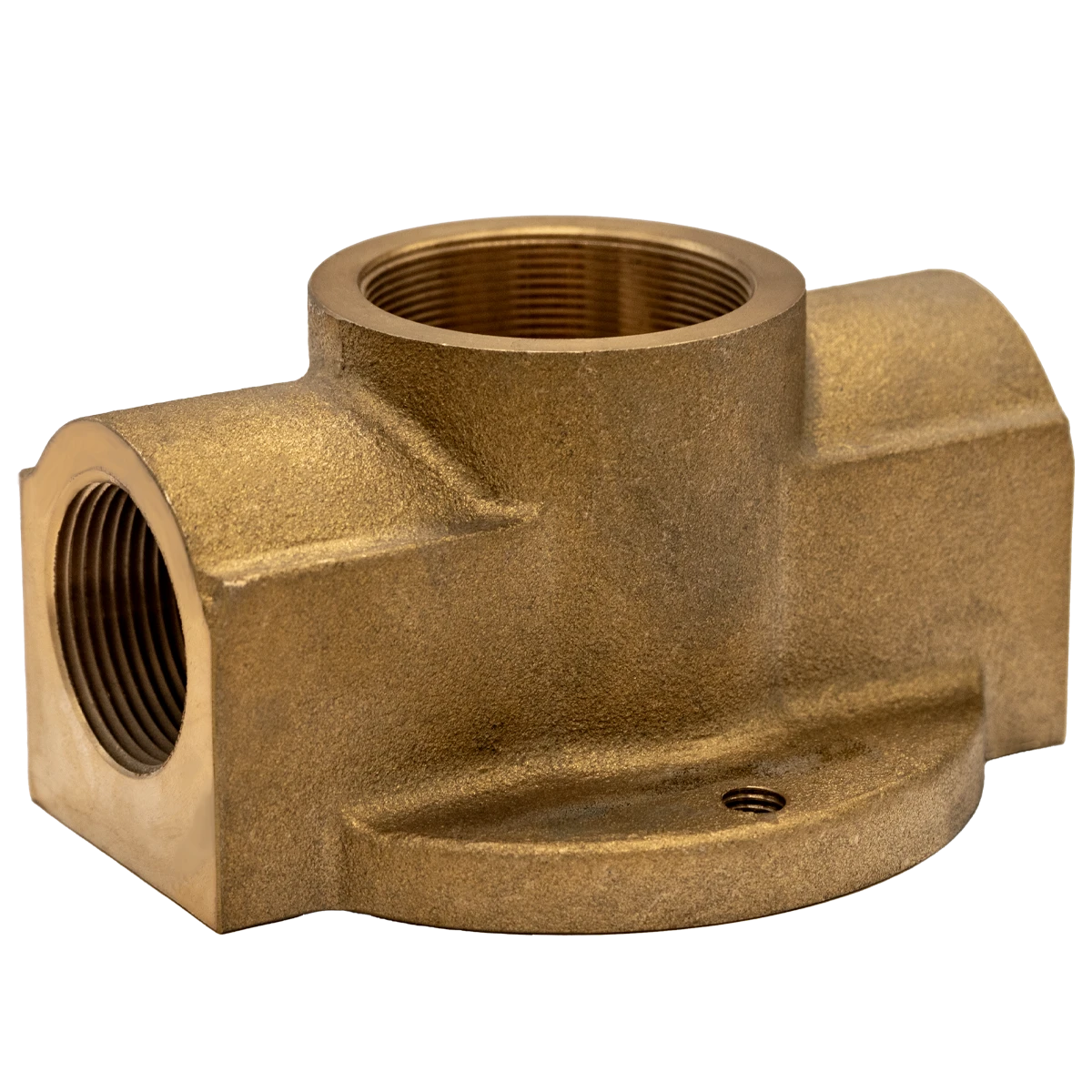
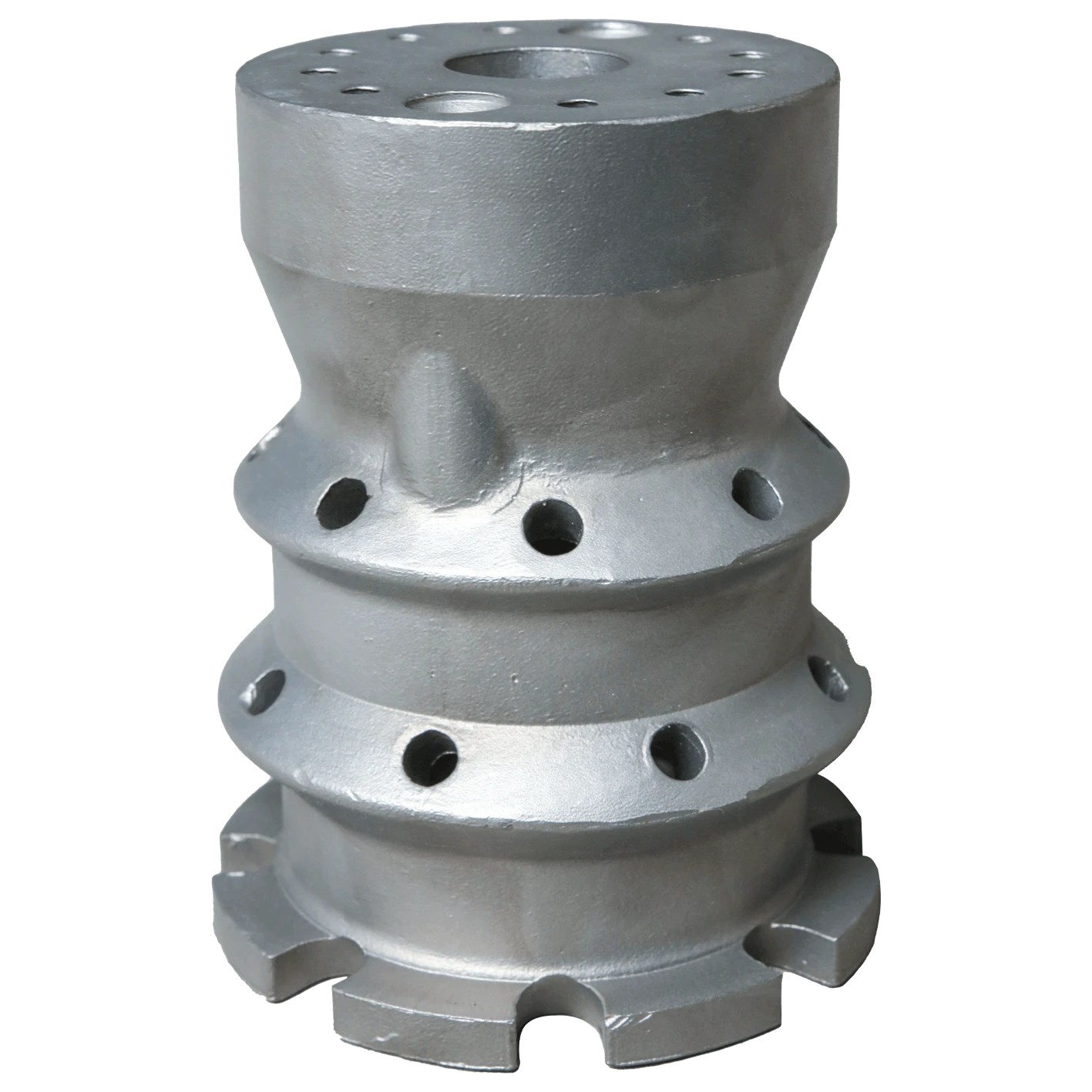
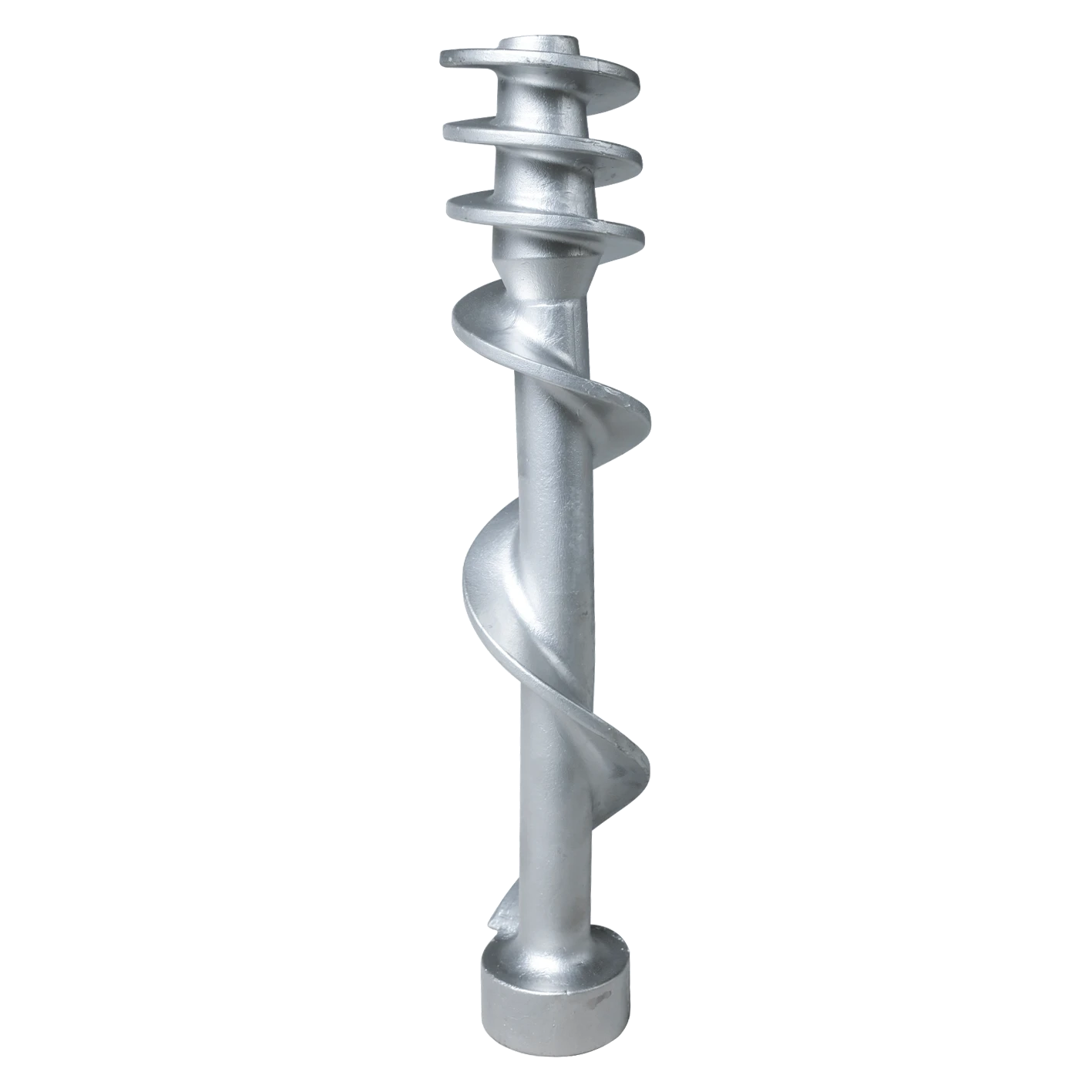
brass impeller
Brass Impellers An Overview of Material, Applications, and Advantages
Brass impellers have garnered significant attention in various engineering fields due to their unique properties and capabilities. An impeller is a rotating component that enhances the movement of fluids, and its effectiveness depends largely on the material used in its construction. Brass, an alloy predominantly composed of copper and zinc, is increasingly favored for its advantageous characteristics in the manufacturing of impellers.
One of the primary reasons for the popularity of brass impellers is their excellent corrosion resistance. In many applications, impellers are submersed in liquids that can be aggressive and corrosive. Traditional materials like steel may quickly succumb to oxidation and deterioration under such conditions, leading to operational inefficiencies and increased maintenance costs. Brass, on the other hand, offers a robust defense against corrosion, making it an ideal choice for applications in marine environments, chemical processing, and water pump systems.
The mechanical properties of brass also contribute to its favorable usage in impeller design. Brass exhibits good tensile strength and ductility, which allows it to withstand the stresses imposed during operation. As fluids are moved through the pump or system, impellers experience considerable stress and fatigue. Brass’s inherent strength ensures that it can maintain structural integrity over prolonged periods of use, thereby ensuring reliability and longevity.
Another notable advantage of brass impellers is their machinability. Brass is relatively easy to machine, allowing for precise shaping and design modifications to optimize the impeller’s performance. This feature is particularly advantageous in the manufacturing sector, where custom designs are often required to meet specific operational demands. Whether it’s creating complex geometries or achieving exact specifications, brass can be tailored to fit the precise needs of various applications.
brass impeller
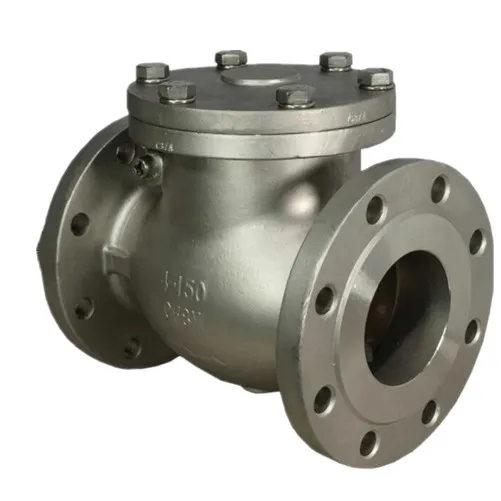
In terms of applications, brass impellers are widely utilized in various fields. One of the most common uses is in water pumps for both residential and industrial applications. Brass impellers are favored in these systems due to their effectiveness in moving water efficiently and their resistance to corrosion, which is crucial in wet environments. Additionally, they are employed in HVAC systems where efficient fluid movement is critical for ensuring temperature regulation.
Brass impellers also play a vital role in marine and aquarium environments. In these settings, pumps often work continuously to maintain suitable conditions for aquatic life. The corrosion resistance of brass is particularly important here, as marine environments can be harsh and damaging to lesser materials. By employing brass impellers, system operators can ensure longer-lasting equipment that requires less frequent replacement and maintenance.
Another key aspect of brass impellers is their thermal conductivity. This property allows for efficient heat transfer, which is beneficial in applications where temperature regulation is essential. In processes where heat generation occurs due to fluid movement or friction, the ability of brass to dissipate heat effectively can prevent overheating and extend the lifespan of the equipment.
Despite the many advantages, it is essential to consider the limitations of brass impellers. The primary challenge lies in the cost, as brass is more expensive than some alternative materials, such as plastic or aluminum. For budget-sensitive projects, this cost difference may lead engineers to consider other options. However, when weighing the long-term benefits against initial costs, many find that the durability, efficiency, and reduced maintenance requirements of brass impellers justify the investment.
In conclusion, brass impellers present an array of benefits that make them suitable for numerous applications, particularly in environments where corrosion resistance, mechanical strength, and thermal conductivity are essential. As industries continue to prioritize efficiency and reliability, the use of brass in impeller manufacturing is likely to expand. Engineers and manufacturers must carefully evaluate their specific needs to determine whether brass impellers can provide the optimal balance of performance and cost-effectiveness for their projects. With their robust characteristics, brass impellers are set to remain a staple in fluid transport systems for years to come.
-
Advanced Manufacturing Technologies in Modern Industrial ProductionNewsMay.22,2026
-
Engine Oil Management Tools: Essential Solutions for Clean and Efficient Automotive MaintenanceNewsMay.22,2026
-
Car Water Pump Systems: Efficiency, Cleaning Applications, and Market OverviewNewsMay.22,2026
-
Industrial Valve Castings and Flow Control Solutions in Modern EngineeringNewsMay.22,2026
-
Aluminum End Caps and Compression Solutions: A Complete Guide for Modern ApplicationsNewsMay.22,2026
-
Precision Valve Castings for Agricultural Irrigation and Fluid Control SystemsNewsMay.08,2026