English

Mobile:+86-311-808-126-83
Email:info@ydcastings.com
English
brass die casting
Brass Die Casting A Comprehensive Overview
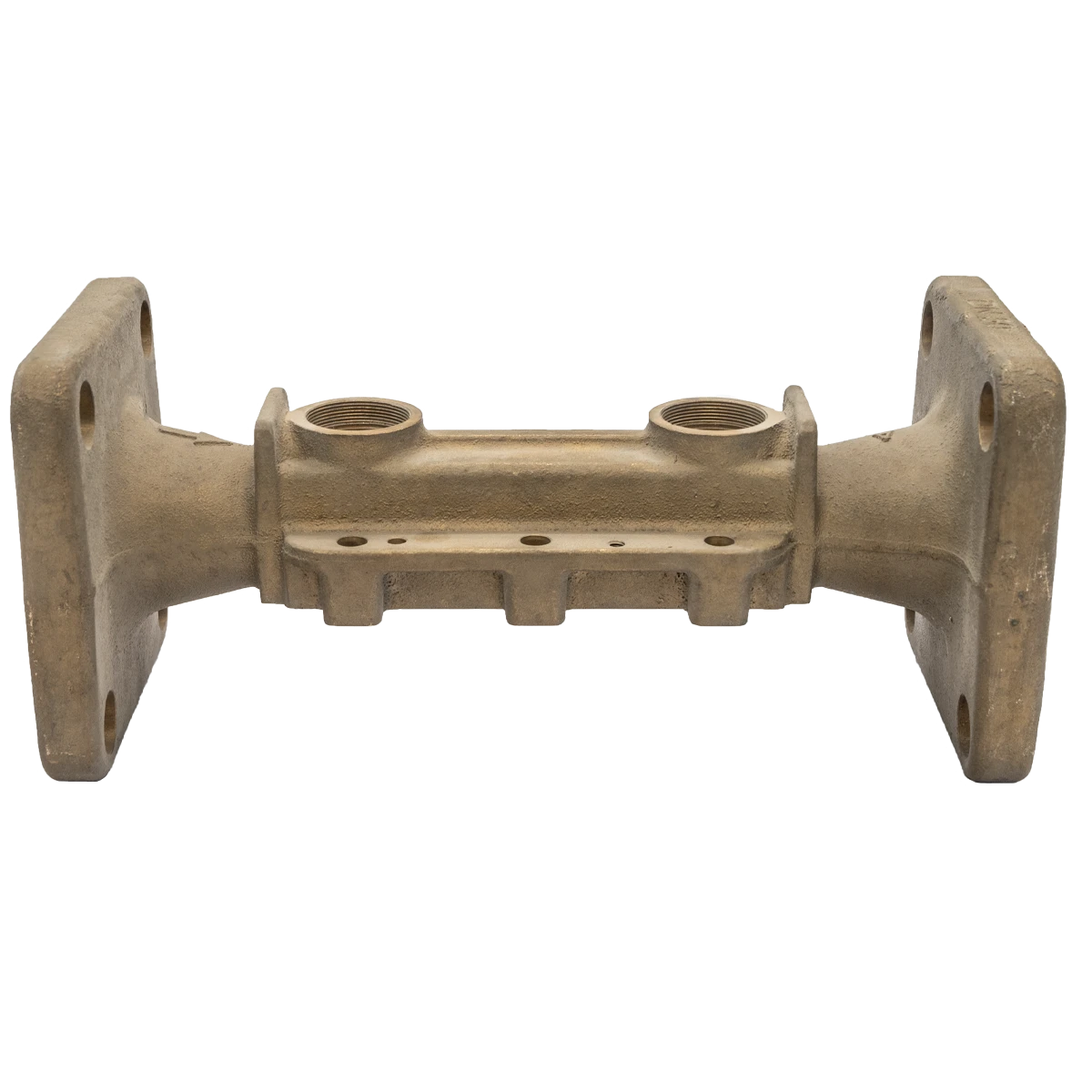
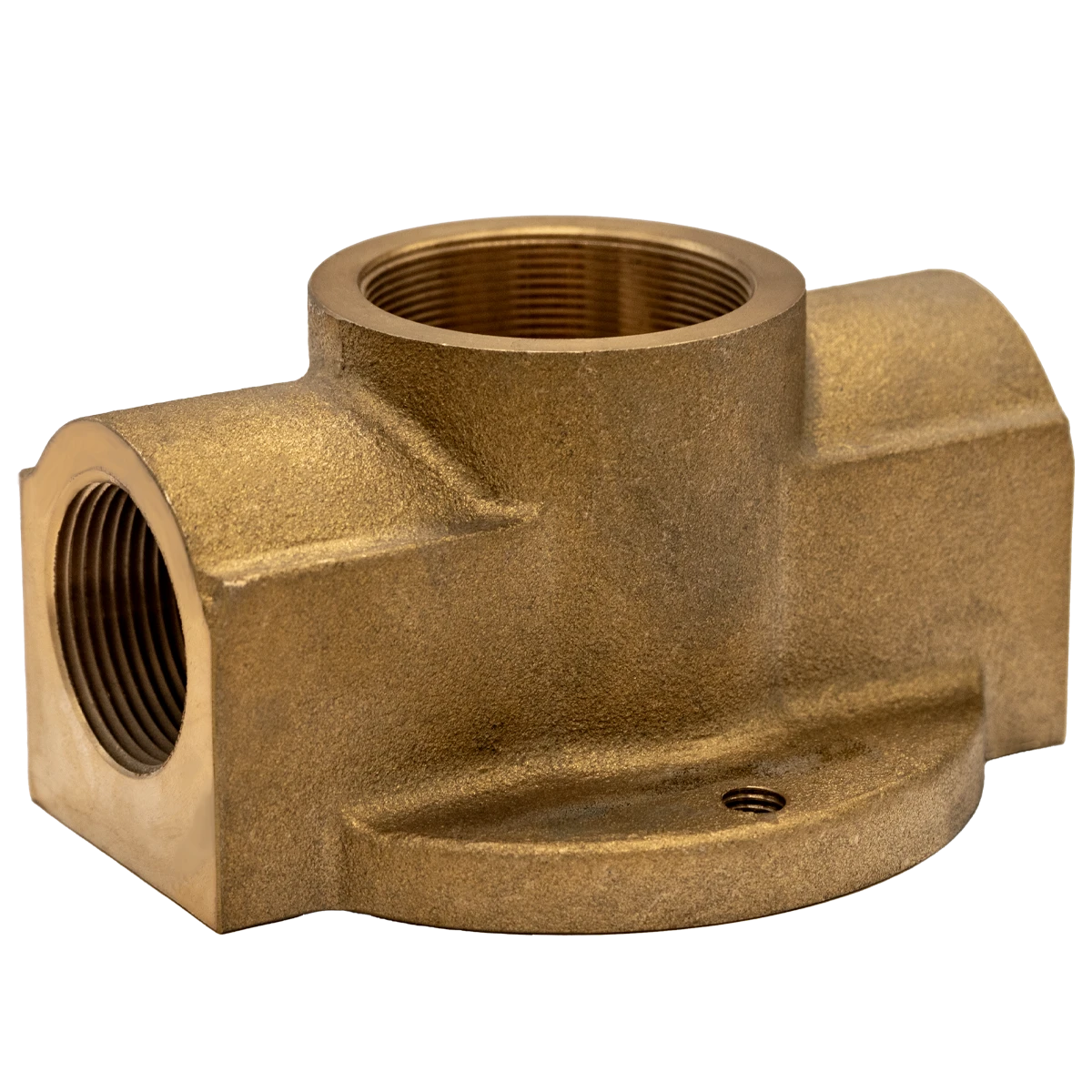
Brass die casting is a manufacturing process that utilizes molten brass to create intricate and precise metal parts. As a versatile and durable material, brass is favored in various industries, including automotive, aerospace, plumbing, and electronics. This casting technique allows for high-speed production of complex geometries that can withstand mechanical stress and environmental challenges.
The brass die casting process begins with the preparation of the brass alloy, which typically consists of copper and zinc, along with small amounts of other elements to enhance specific properties. The choice of alloy is critical since it determines the final product’s strength, corrosion resistance, and machinability. Once the appropriate alloy is selected, it is melted in a furnace and then injected into a precisely engineered die or mold under high pressure.
The use of dies in brass die casting is one of the process's defining features. These dies are carefully designed and machined to achieve the desired shape and dimensions of the part. The high pressure involved ensures that the molten brass fills every cavity of the mold, resulting in parts that have exceptional detail and dimensional accuracy. After the molten brass has cooled and solidified, the die is opened, and the finished part is ejected.
brass die casting
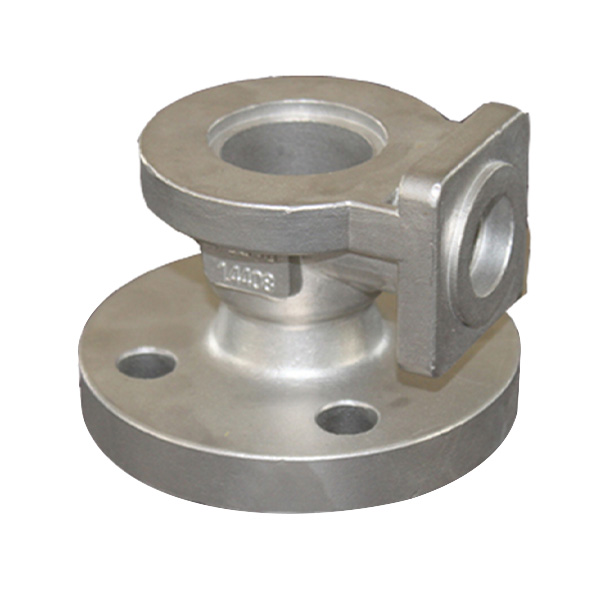
One of the key advantages of brass die casting is its efficiency. The ability to produce large quantities of parts in a short amount of time makes it an attractive option for manufacturers. Additionally, the process minimizes waste material, as the excess brass can often be recycled. This eco-friendly aspect makes brass die casting a sustainable choice for today's manufacturing needs.
Brass die casting also offers excellent surface finishes. Parts produced through this method typically require little to no additional machining, thus saving on labor and costs. The smooth surfaces not only enhance aesthetic appeal but also improve functionality, particularly in applications where friction and wear are concerns.
Another significant benefit of brass die casting is its ability to produce complex shapes that are lightweight yet strong. This quality is crucial for industries such as aerospace, where reducing weight without compromising on strength is vital for improving fuel efficiency. Similarly, in the automotive sector, manufacturers rely on die-cast brass components for engine parts, connectors, and fittings that require reliability and performance.
In conclusion, brass die casting is a highly efficient and versatile manufacturing process that plays a critical role in producing high-quality, durable metal parts across various industries. With its ability to deliver precision, minimize waste, and meet the increasing demand for eco-friendly solutions, brass die casting continues to be a preferred choice among manufacturers worldwide. As technology advances, the process is expected to evolve further, incorporating new techniques and innovations that will enhance its effectiveness and expand its applications.
-
Precision Valve Castings for Agricultural Irrigation and Fluid Control SystemsNewsMay.08,2026
-
Precision Impeller and Compressor Components for Agricultural MachineryNewsMay.08,2026
-
Essential Cast Components for Agricultural Machinery: Oil Management and Motor ProtectionNewsMay.08,2026
-
High-Performance Cast Components for Agricultural Machinery: From Cooling to Exhaust SystemsNewsMay.08,2026
-
Agricultural Valve Castings: Durable Flow Control Solutions for Farm Irrigation SystemsNewsMay.08,2026
-
High-Performance Agricultural Pump Components: Precision Castings for Reliable Farm OperationsNewsMay.08,2026