English

Mobile:+86-311-8081-2683
Email:info@ydcastings.com
English
Feb . 14, 2025 04:46
Back to list
cap for pipe end
Block and beam systems have long been a cornerstone in modern construction due to their cost-effectiveness, structural solidity, and speed of installation. However, an often-overlooked component in these systems is the block and beam end caps—essential for ensuring longevity and enhancing the overall performance of the flooring system. In this in-depth exploration, we will delve into the intricacies of block and beam end caps, highlighting their significance and offering insights into their effective usage backed by both industry expertise and experienced insights.
In terms of authoritativeness, leading industry standards and building codes frequently emphasize the inclusion of block and beam end caps in construction. Adhering to these codes not only ensures compliance but also affirms a commitment to building safety and quality. Organizations like the Structural Building Components Association (SBCA) provide guidelines and best practices that emphasize the importance of using end caps to protect and maintain beam integrity. Furthermore, the trustworthiness of block and beam systems is enhanced considerably through user testimonials and documented case studies. Real-world applications have repeatedly demonstrated that the additional investment in end caps pays off in terms of durability and maintenance costs. A case study involving a housing development in coastal Florida illustrated how the strategic use of polymer end caps significantly reduced beam degradation from saltwater exposure, effectively extending the structure's service life by several years. For construction managers and site supervisors, the integration of block and beam end caps is a practical and economically sound decision. It simplifies the maintenance process and helps in meeting project deadlines by preventing construction delays due to unforeseen structural repairs. Additionally, they contribute visually by providing a clean, finished look that enhances aesthetic appeal—a detail not lost on prospective property buyers and inspectors conducting evaluations. In conclusion, block and beam end caps, while seemingly minor, carry a weight of significance in the construction process. They offer protective benefits that cannot be overstated, ensure compliance with regulatory standards, and contribute to the overall aesthetic and functional longevity of a structure. As construction technologies evolve, the incorporation of these components remains a testament to the blending of expertise, experience, and authoritative practices that ensure trust and reliability in modern building systems. Both professionals and those new to the industry should recognize the indispensable value that block and beam end caps bring to the table.
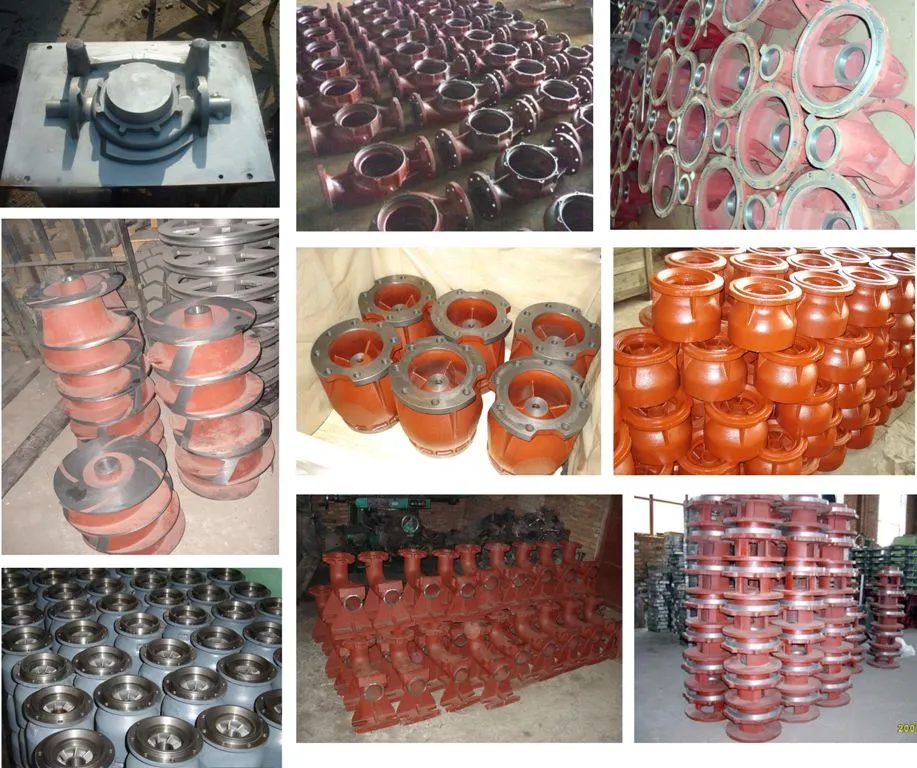
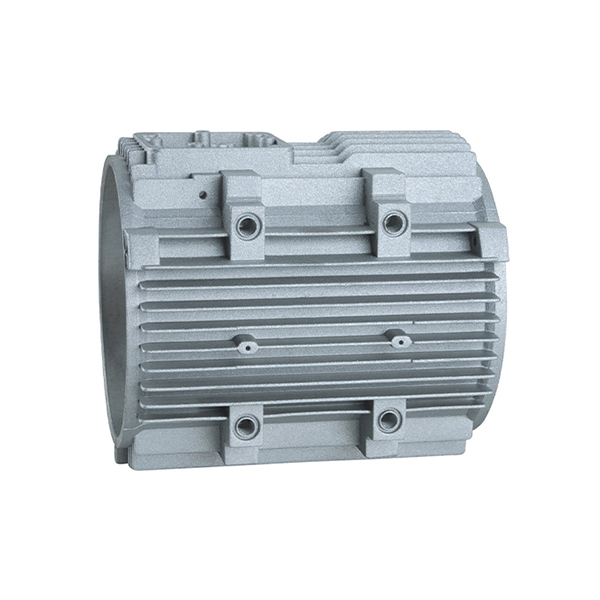
In terms of authoritativeness, leading industry standards and building codes frequently emphasize the inclusion of block and beam end caps in construction. Adhering to these codes not only ensures compliance but also affirms a commitment to building safety and quality. Organizations like the Structural Building Components Association (SBCA) provide guidelines and best practices that emphasize the importance of using end caps to protect and maintain beam integrity. Furthermore, the trustworthiness of block and beam systems is enhanced considerably through user testimonials and documented case studies. Real-world applications have repeatedly demonstrated that the additional investment in end caps pays off in terms of durability and maintenance costs. A case study involving a housing development in coastal Florida illustrated how the strategic use of polymer end caps significantly reduced beam degradation from saltwater exposure, effectively extending the structure's service life by several years. For construction managers and site supervisors, the integration of block and beam end caps is a practical and economically sound decision. It simplifies the maintenance process and helps in meeting project deadlines by preventing construction delays due to unforeseen structural repairs. Additionally, they contribute visually by providing a clean, finished look that enhances aesthetic appeal—a detail not lost on prospective property buyers and inspectors conducting evaluations. In conclusion, block and beam end caps, while seemingly minor, carry a weight of significance in the construction process. They offer protective benefits that cannot be overstated, ensure compliance with regulatory standards, and contribute to the overall aesthetic and functional longevity of a structure. As construction technologies evolve, the incorporation of these components remains a testament to the blending of expertise, experience, and authoritative practices that ensure trust and reliability in modern building systems. Both professionals and those new to the industry should recognize the indispensable value that block and beam end caps bring to the table.
Next:
Latest news
-
Choosing an Engine Storage Crate Cover for Material and EnvironmentNewsNov.23,2026
-
Cylinder Head Chamber Buyers: Check the Casting Specification FirstNewsNov.17,2026
-
How Impeller Casting Manufacturers Match Material, Process and EquipmentNewsNov.15,2026
-
Valve body vs. intake air chamber: Which casting fits your assembly?NewsNov.02,2026
-
Air Intake Chamber FAQ: Specifications, Ordering and Support QuestionsNewsOct.28,2026
-
Motorcycle Accessories FAQ: Specifications, Ordering and Support QuestionsNewsOct.24,2026
Related PRODUCTS










