English

Mobile:+86-311-8081-2683
Email:info@ydcastings.com
English
Bevel gear assembly enclosure for enhanced performance and protection in machinery applications
Understanding Bevel Gear Housing Design and Functionality
Bevel gears are critical components in the mechanical systems of various industries, providing the essential function of transmitting power and motion between non-parallel shafts. The housing that encloses these gears, commonly referred to as bevel gear housing, plays a vital role in the overall performance and durability of gear systems.
What is Bevel Gear Housing?
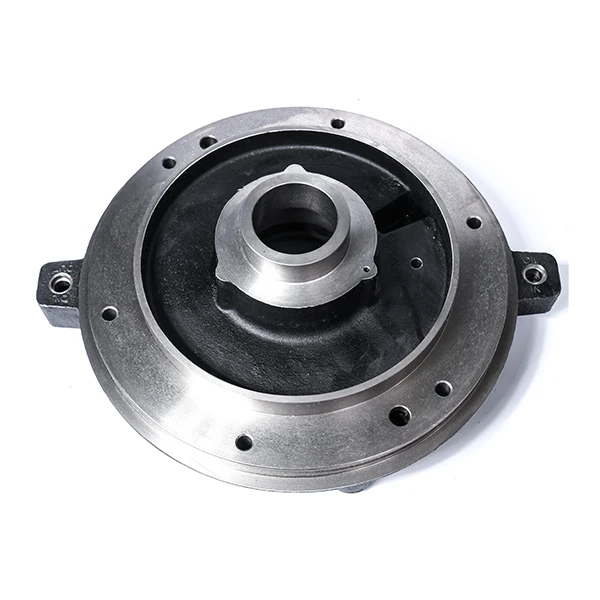
Bevel gear housing is a protective casing designed to hold bevel gears in place. This housing serves multiple purposes, including safeguarding the gears from external contaminants, providing a mechanism for lubrication, and ensuring the precision alignment of the gears. The design of bevel gear housing can significantly influence the efficiency of the gear systems, making it an integral part of mechanical design considerations.
Design Considerations
When designing bevel gear housing, several key factors must be taken into account
1. Material Selection The materials used for bevel gear housing must possess high strength and durability to withstand mechanical stresses. Commonly used materials include cast iron, aluminum, and various grades of steel. The chosen material also affects the weight and the heat dissipation properties of the housing.
2. Size and Shape The size of the housing depends on the size of the bevel gears and the application in which they are used. The shape must allow for proper engagement of the gears while facilitating optimal lubrication and maintenance access.
3. Lubrication System Efficient lubrication is crucial for the performance and lifespan of bevel gears. The housing design should incorporate features that allow for easy lubrication, including drain plugs and oil filling points, while promoting the circulation of oil to reduce friction and wear.
4. Vibration and Noise Control Bevel gear systems are often subject to significant vibrations, which can lead to noise and wear over time. Housing that includes damping materials or designs aimed at reducing vibrations can lead to quieter operations and increased longevity of the gear system.
bevel gear housing
5. Thermal Management Bevel gear operations can generate substantial heat, which, if not managed, could lead to gear failure. Housing must be designed to allow for adequate airflow or incorporate cooling mechanisms to maintain optimal operating temperatures.
Applications of Bevel Gear Housing
Bevel gear systems, and subsequently their housings, are used in a wide range of applications across various industries
- Automotive Engineering In vehicles, bevel gears are commonly found in differential systems, enabling the transfer of power from the engine to the wheels while allowing for them to rotate at different speeds when turning.
- Industrial Machinery Many manufacturing machines utilize bevel gear systems for power transmission. The robust housing protects the gears from dirt and debris while ensuring they operate smoothly even under heavy loads.
- Aerospace In aerospace applications, precision and reliability are of utmost importance. Bevel gear housing in aircraft systems must be designed to handle extreme conditions while minimizing weight.
- Robotics Bevel gears are often employed in robotic arms and other systems where precise motion control is required. The housing needs to be compact yet durable to meet the dynamic nature of robotics.
Conclusion
Bevel gear housing is a fundamental element in the operation of bevel gears, ensuring they function efficiently and reliably. By considering material, size, lubrication, vibration control, and thermal management during the design process, engineers can create housing that enhances the performance of gear systems in various applications. As technology continues to evolve, the design and manufacturing of bevel gear housing will also advance, driving improvements in efficiency and reliability across industries.
-
Choosing an Engine Storage Crate Cover for Material and EnvironmentNewsNov.23,2026
-
Cylinder Head Chamber Buyers: Check the Casting Specification FirstNewsNov.17,2026
-
How Impeller Casting Manufacturers Match Material, Process and EquipmentNewsNov.15,2026
-
Valve body vs. intake air chamber: Which casting fits your assembly?NewsNov.02,2026
-
Air Intake Chamber FAQ: Specifications, Ordering and Support QuestionsNewsOct.28,2026
-
Motorcycle Accessories FAQ: Specifications, Ordering and Support QuestionsNewsOct.24,2026










